


March 14, 2024, 4:34 am | Read time: 2 minutes
Those who generate their own electricity with a photovoltaic system can use it later—provided they have an energy storage system. However, when it comes to storage capacity, size isn’t the only factor to consider.
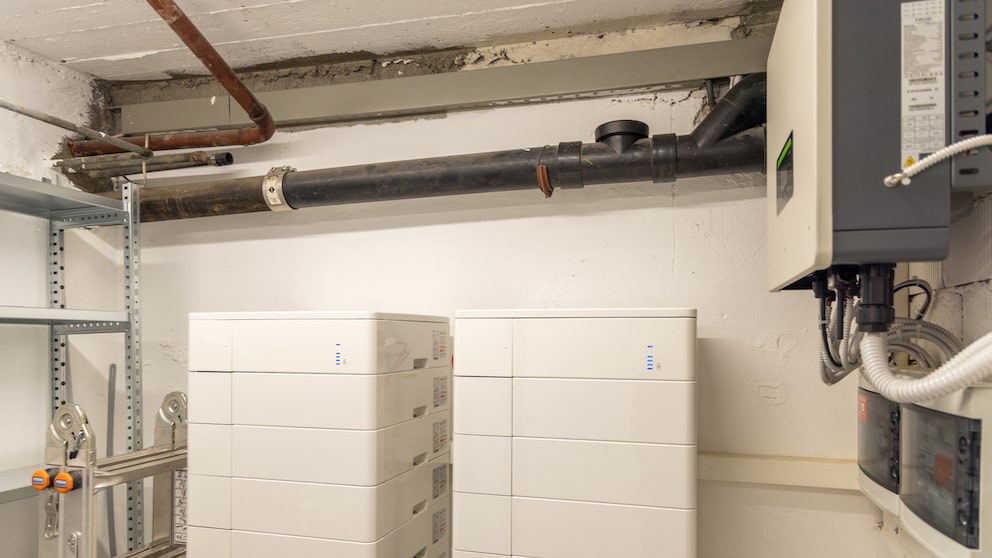
An energy storage system—also known as a battery storage—can be a valuable addition to a PV system. It can significantly increase the portion of self-generated electricity used for personal consumption. What factors determine the size of the energy storage system?
Why an Energy Storage System Is Worthwhile
The battery storage can absorb excess electricity generated on the roof during the day. If more electricity is needed at night or during twilight than the PV system can provide, the stored electricity can be used later by discharging the storage system.
Learn more: Solar System with Energy Storage—Key Questions and Answers
Rule of Thumb for Energy Storage Size
Energy storage systems in private households shouldn’t be too large, advises the Consumer Center of Rhineland-Palatinate in their fact check “The Right Storage Size”. It’s not about the dimensions but the capacity. The following rule of thumb can be used: approximately 1 kWh of storage capacity per 1,000 kWh of household electricity consumption. Larger storage systems may be poorly utilized and offer little additional benefit.

Solar System with Battery Storage: Key Questions and Answers

5 Common Misconceptions About Energy Storage for Photovoltaic Systems
Utilize Time Windows
Shifting electricity consumption to times with sufficient solar yield is always more cost-effective than increasing storage capacity. Appliances like dishwashers, washing machines, and dryers can be effectively used during these time windows through timers, remote control, or energy management systems. According to consumer advocates, the electricity consumed directly is significantly cheaper than the electricity stored in a battery.
And What If You Have a Heat Pump?
Households that heat with heat pumps have a significantly higher electricity consumption but don’t necessarily need a much larger energy storage system. The additional storage capacity might be underutilized, as little solar power is available in winter when the heat pump requires a lot of electricity.
The small surplus can also be stored thermally by raising the room temperature when electricity is available. For hot water supply in summer, the heat pump can be set to heat the water storage during the day, using the available solar power directly without the need for intermediate storage. Therefore, additional storage capacity is only beneficial during transitional periods.
With material from dpa