


December 25, 2025, 6:07 am | Read time: 5 minutes
In winter, few people think about renovating. Yet, this time can offer many advantages for certain projects. At the same time, there are just as many disadvantages to be aware of to avoid moisture damage or unnecessary delays. myHOMEBOOK author Daniela Matsuzaki knows the pros and cons.
Advantages
1. More Planning Security
During the preferred renovation times in spring and summer, many construction and craft businesses are often booked months in advance. However, if you plan the renovation in winter, the workload is usually more relaxed. In this season, many craft businesses typically have fewer orders, which can be beneficial for private renovation work.
Additionally, wait times are often significantly shorter, and appointments with various trades can be arranged more flexibly. This allows you to start and finish the renovation earlier, which can greatly ease planning and coordination with the craftsmen.
Also interesting: What to consider when building a house in winter
2. Interior Work
The dry winter air offers several advantages when renovating in winter. It quickly removes moisture from building materials, speeding up the drying process. All interior work such as insulation, sealing, mold remediation, or installing new windows can be carried out without issues. Painting, flooring, and electrical installations can also be done without problems in frost. Insulation work or heating checks are also suitable winter projects.
In winter, you can paint walls and renovate door frames and stair railings. Flooring work, such as laying tiles, laminate, or parquet, is also sensible. The flooring material should be stored in the room for at least 48 hours to acclimate before starting work.
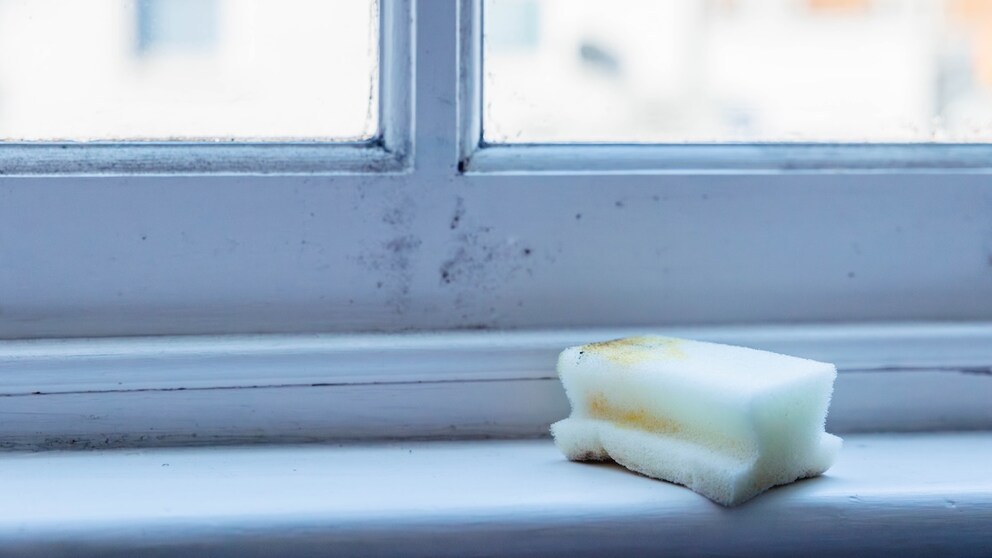
A major advantage is that the rooms are heated, and most work can be done protected from the weather. Mold and moisture remediation indoors are also sensible in winter, as mold growth can be well controlled through a combination of heating air and proper ventilation.
3. Value Increase and Comfort
Targeted renovation measures can increase a property’s value in the long term and significantly improve daily living comfort. For example, if you renew the basement ceiling or add extra insulation, you can notice how much more pleasant the rooms feel in the first winter. This can not only keep the floors on the ground floor noticeably warmer but also stabilize the overall room climate.
Such modernizations can also positively impact energy consumption by reducing heat loss and making heating more efficient. In the long run, this can enhance quality of life and make the property more attractive to future buyers or tenants.
4. Replace Windows and Doors
When you replace windows, seal doors, or add extra interior insulation during a renovation, you can quickly notice clear improvements in winter. New, modern windows can significantly reduce heat loss, allowing rooms to warm up faster and retain stored heat longer.
Sealing doors can also be immediately felt: drafty areas disappear, and living spaces feel more protected and cozy overall. At the same time, these measures can significantly reduce energy consumption, positively impacting heating costs in the long term. In winter, these effects can be immediately perceived, while in summer, you often notice later how much the indoor climate has improved.
Disadvantages
1. Exterior Projects Strongly Limited
The situation is different for exterior renovations in winter: Many building materials like exterior plaster, facade paint, or certain adhesives cannot be properly processed at low temperatures. Frost can prevent the material from hardening, leading to long-term damage.
Additionally, you should not carry out concrete work, foundation work, and masonry renovations. It’s similar with roofing work. Snow and frost can negatively affect the work and lead to increased risk.
2. Higher Heating Costs During Winter Renovation
When renovating or refurbishing in winter, you often need to heat more to ensure materials dry well and a smooth workflow is maintained. You should also create comfortable working conditions for craftsmen, which requires additional heating.
If you replace windows or doors during the cold season, more heat can inevitably escape as the building envelope is temporarily open. This can lead to temporarily higher energy consumption. These additional heating costs should be included in the planning to realistically assess the overall effort and avoid unpleasant surprises.
3. Ventilation is More Challenging
Indoor spaces always require adequate air circulation. However, frequent ventilation in winter can quickly cool down the rooms, leading to higher heating costs. At the same time, improper ventilation can accelerate the formation of condensation on cold walls. Therefore, it’s important to maintain a balanced ratio between regular, short ventilation and consistent heating.
Also interesting: The best time for renovation or refurbishment

Winter is suitable for renovation work, but …
“Winter is excellent for almost all interior projects that can be carried out independently of the weather and in dry rooms. Additionally, it’s easier to find craftsmen and schedule appointments faster. Many materials dry better. Energy measures immediately show improvement. However, winter is only partially suitable for exterior work. If you strategically plan your renovation and take advantage of winter, you can save costs.”