


June 2, 2025, 3:24 pm | Read time: 4 minutes
Colors play a significant role in our lives–especially when it comes to interior design. In the kitchen, the heart of every home, choosing the right color scheme is crucial. myHOMEBOOK writer Carolin Chytrek shares what to consider when designing with color.
“The eye eats too”–everyone has probably heard this saying before. It’s not just a random phrase; it’s psychologically explainable. As numerous studies have shown in the past, our visual perception is directly linked to our taste perception and can actively influence it. Enjoyment doesn’t just go through the stomach; it’s also captured through sight. Therefore, the design of the kitchen, especially regarding colors, should never be left to chance.
Follow myHOMEBOOK on WhatsApp now
Color Psychology
The choice of colors not only affects the aesthetics of a room but also shapes the mood within it. The kitchen is considered the central gathering place of any home and deserves special attention. Here, people cook, create, exchange ideas, and laugh together. Therefore, the right design is particularly essential.
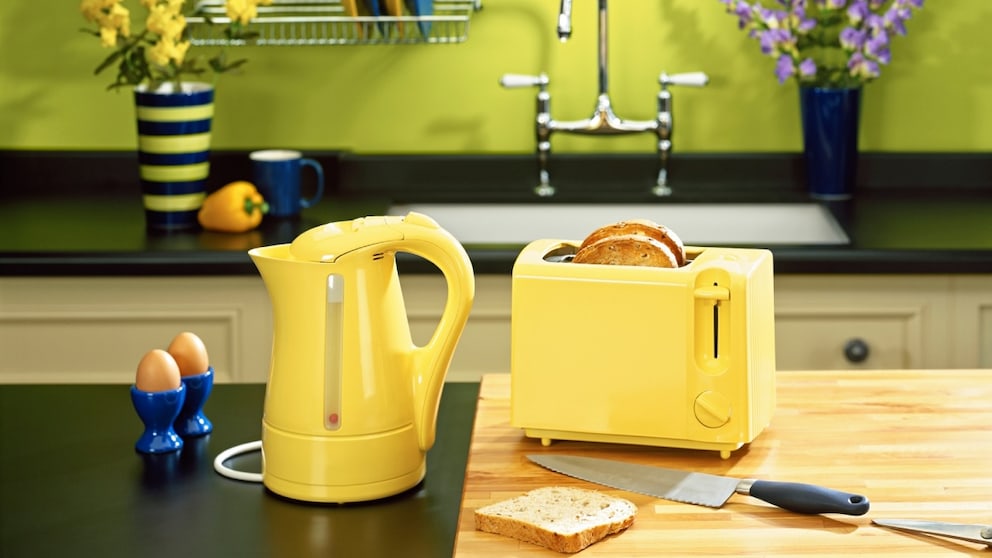
Bold shades of red, orange, or terracotta stimulate the appetite, bring energy to the room, exude Mediterranean flair, and encourage communication. These colors are especially suitable for large and sociable kitchens where life is bustling. If you’re more inclined toward tranquility, mindfulness, and refreshment, opt for gentle shades of blue, green, or pastels.
Admittedly, many modern kitchens rely on neutral colors. They come in delicate white or are designed in warm greige or beige, often with wood or marble accents. Neutral tones like these are timeless and stylish all-rounders that highlight ingredients and creative dishes and never go out of style. Light colors also represent purity and hygiene, which perfectly match the kitchen’s functional environment and give it an elegant and straightforward finish. Dark statement colors, on the other hand, add depth to the room and create a sense of coziness.
Finding the Right Color for the Kitchen
Step 1: Determine Your Color Type
Before picking up a brush or planning new kitchen fronts, you should look inward and ask yourself: Which colors make you feel most comfortable? Are you more of a sensual type who thrives in warm tones, or do you long for order, clarity, and freshness? Then a cool color spectrum might be more suitable. If you prefer to keep the kitchen timeless and neutral and work more with decorative elements, consider a design in sand or beige shades.
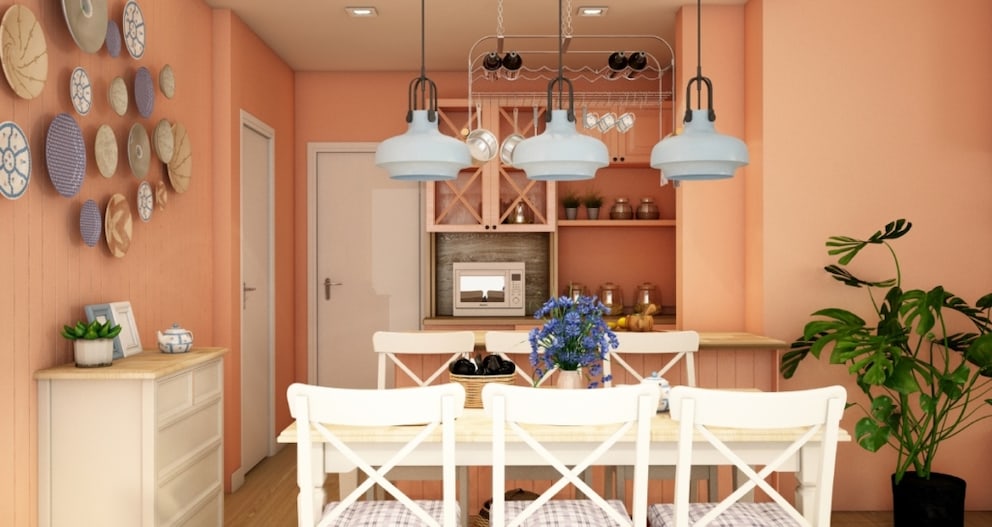
It’s fundamentally important to consider the style you want to pursue. The cozy country house look calls for light pastel colors, while statement kitchens in the industrial style demand shades of gray and black, and those in the ethnic look suit bold, dark color mixes and patterns. For the Scandi or Boho style, a combination with light wood elements is suitable, and maritime kitchens enjoy a blue color palette.
Also interesting: 5 Tips for Designing a Modern Kitchen
Step 2: Create a Color Palette
To avoid overwhelming the room with color and give the design more structure, it’s important to create a color palette based on your personal style. The general rule is: Use no more than three to five base colors. The most beautiful kitchens appear cohesive, thanks to a harmonious palette and the division into base, secondary, and accent colors, applied at 60 percent, 30 percent, and 10 percent respectively.
It’s not about keeping everything tone-on-tone, but about the deliberate interplay of colors. For example, walls or fronts can be designed in the base colors, furniture and rugs in the secondary colors, and light color accents can be added through decor and dishes.
Step 3: Wall or Furniture–What Should Shine?
If you want to design your kitchen attractively, you should pay attention to the right balance between wall and furniture color. If the kitchen is to have dark or color-intensive fronts, the wall color can take a step back. Light walls in linen white, soft greige, or light blush tones are suitable here.
Even in minimalist kitchens, light walls have a calming effect and make matte black or wooden fronts stand out. If you opt for light fronts and still want to venture into color, you can paint the wall in moderate color tones, without overpowering the look. This is the key to successful kitchens: Wall and furniture should play together like a duo and create harmony.