


September 2, 2025, 2:56 pm | Read time: 5 minutes
Curtains are among the most versatile design elements in interior decoration. They can serve practical functions such as privacy and sun protection, while also significantly contributing to the atmosphere and style of a room. With the right selection of fabrics, colors, and shapes, rooms can be enhanced, structured, and even made to appear larger or cozier. myHOMEBOOK offers four tips to help find the right curtain for your home.
Different Types of Curtains
Curtains come in many different styles, varying by function, material, and design. They can generally be divided into two groups: decorative curtains, which primarily serve to enhance the room’s design, and functional curtains, which regulate light, privacy, or acoustics.
Sheer and Store Curtains
Sheers and store curtains are classic options. They are usually made from light, transparent fabrics. They allow a lot of light in while still providing some privacy. They are often complemented by decorative drapes made from heavier fabrics. This type of curtain is frequently used decoratively, draped to the sides. They beautifully frame the window, but can also darken the room slightly depending on the material.
Blackout Curtains
Blackout curtains are made from dense fabrics, often with a special coating that blocks nearly all light. A lighter version is thermal curtains, which also provide insulation and can block drafts.
Panel Curtains
Modern, straight panels that are particularly well-suited for large window fronts. They can be moved and combined, making them versatile.
Roman Shades and Sliding Curtains
Roman shades and sliding curtains are a good alternative to traditional curtains. They consist of several panels that can be moved flexibly. They are especially suitable for large window fronts. Roman shades appear airy and playful, while sliding curtains bring a clear, modern structure to the room.
Also interesting: How Often You Should Clean Curtains and Drapes
1. Fabrics That Set the Mood
The choice of material determines the effect of the curtain in any home. Transparent curtains made of voile or organza add lightness and let rooms glow softly in daylight—perfect for the living or dining room. Heavy fabrics like velvet or jacquard, on the other hand, bring depth and elegance, enveloping windows like a luxurious frame and creating coziness, especially in the bedroom or reading nook.
For modern interiors, panel curtains and sliding curtains are suitable. They offer clean lines and are timeless and minimalist. Those who prefer a more playful look can opt for Roman shades, which charmingly add movement. Every fabric tells its own story—from airy lightness to opulent drama.
2. Color Schemes and Patterns

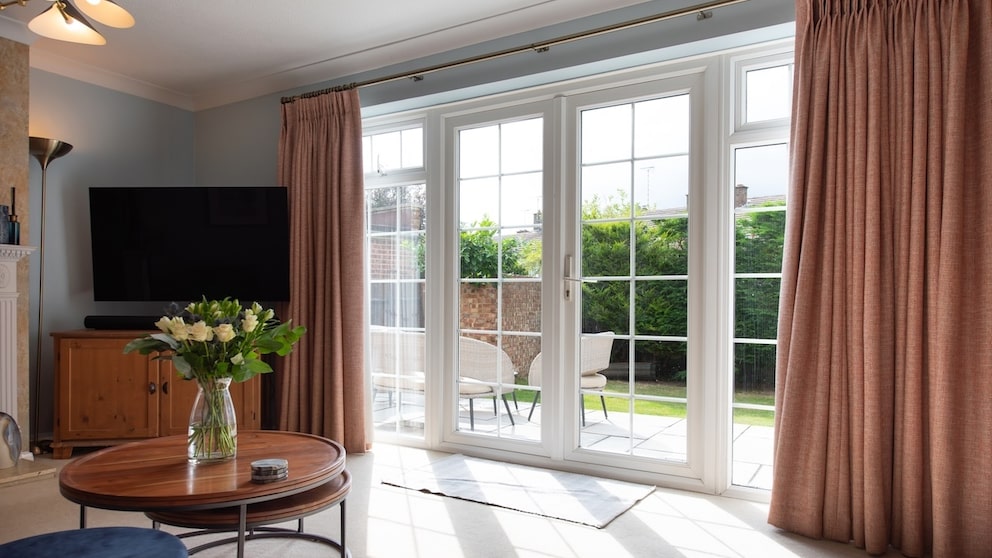
Colors are one of the strongest tools in room design. They can also be used strategically with curtains. Light tones make rooms appear larger and more open, while dark shades create intimacy. A curtain in warm terracotta or deep petrol quickly becomes a statement piece that elegantly ties together furniture and accessories.
Patterns also play an important role: floral prints appear romantic, geometric designs modern, while stripes can visually elongate the room. It is important that fabric and color harmonize with the overall concept of the room. Curtains are more than just accessories; they are often the key to completing a room’s design.
3. Achieving Big Impact with Small Tricks

The impact of a curtain depends not only on the fabric but also on its presentation. Hanging the rod just below the ceiling instead of directly above the window stretches the room visually and makes it appear more spacious.
Width also plays a role: extending the curtains beyond the window not only gives the room more breadth but also makes the window appear larger. A particularly clever combination is light sheers with heavy drapes. This way, you can enjoy the light during the day and immerse yourself in a cozy atmosphere in the evening.
Accessories like decorative tiebacks, shiny rods, or small tassels are the finishing touch and turn a functional element into a true design statement.

7 Ways to Add Privacy to Your Windows

Why Floor-Length Curtains Make Rooms Look Bigger
4. The Right Curtains for Every Room
In the living room, curtains are often a central design element. Here, light, semi-transparent fabrics like voile or linen create an airy feel and let in plenty of daylight without making you feel completely exposed. For more coziness or an elegant touch, heavy decorative drapes made of velvet, jacquard, or cotton blends can be added, which can also darken the room if needed.
In the bedroom, peace and darkness are paramount. Blackout curtains or blackout fabrics that block nearly all light are suitable here, promoting better sleep. A combination of light-permeable sheers and opaque curtains is also popular. This way, you can have privacy during the day without making the room too dark.
For kitchen curtains, practical and easy-care options should be considered. Short sliding curtains or light curtains made of cotton or polyester are suitable, as they are less likely to get in the way and are easy to clean. They also provide privacy without darkening the room. Patterns and colorful fabrics can give the kitchen a cheerful touch.
In the home office, flexible solutions are recommended. Light curtains or blinds that block glaring sunlight but still let in enough daylight are practical here. This creates a pleasant working atmosphere without unnecessarily darkening the room.
Curtains Belong in Every Home
Curtains are far more than just fabric at the window—they are the silent designers of a room. They can emphasize or conceal architecture, bring color and texture into play, and transform a home into a personal retreat. Those who choose curtains consciously and stage them skillfully create not only a harmonious ambiance but also a stylish statement.