


September 24, 2026, 4:09 am | Read time: 4 minutes
Home should be a place where slowing down is possible. When daily life becomes too hectic, your own four walls should invite you to relax. Cocooning stands for protection and comfort and is gaining popularity in interior design. But what exactly is it about, and how can you best decorate your home according to this trend? myHOMEBOOK provides an overview.
Follow myHOMEBOOK on WhatsApp now
What Does Cocooning Actually Mean?
Cocooning refers to a kind of cocoon. Wrapped in your own home, it should serve as a form of protection—a cozy, warm retreat. Living rooms, bedrooms, and other spaces are designed to make the entire home feel like a protective shell. The idea is to come in, sit down, and feel safe.
Many associate cocooning with a sense of comfort, which is achieved through specific interior approaches in individual rooms. Lighting, furniture, and decorative accessories can enhance this cocoon-like feeling at home.
5 Tips to Create a Cocooning Effect at Home
1. Indirect Lighting, Tea Lights, and Warm Light
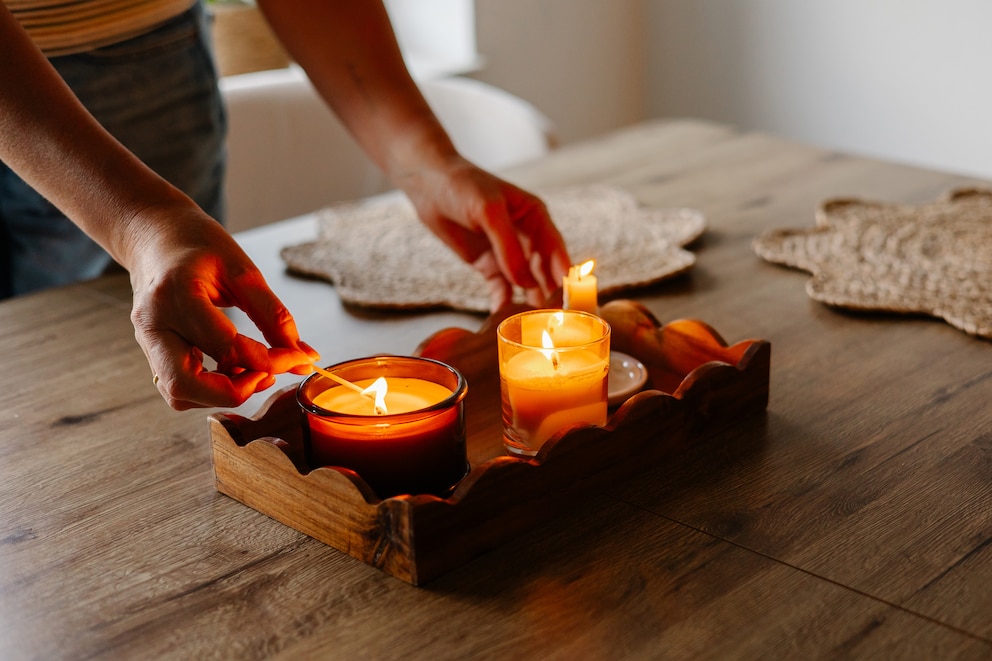
What could be better than coming home on a cool autumn or winter evening and being greeted by a feeling of warmth? Lighting alone can greatly influence how secure you feel in your own four walls. Warm lighting is much more inviting than cool light, which can remind one of a doctor’s office. Tea lights, which provide a gentle yet calming ambiance, are perfect for cocooning.
If you don’t want to place small and large candles everywhere, you can achieve the desired cocooning effect with indirect lighting. It doesn’t matter whether it’s table lamps, wall lamps, or floor lamps. Whenever light doesn’t directly illuminate the room, a certain level of comfort is created.
2. Soft Fabrics, Like Teddy Plush or Chenille
A cozy home, where you almost just want to snuggle up, thrives on soft fabrics in the interior. Whether it’s a warm velvet blanket, a sofa fabric made of cozy chenille, or a pillow from a cuddly plush fabric. Anything that promotes relaxation and a sense of comfort enhances the cocooning effect.
Also interesting: The story behind the popular teddy plush fabric
3. Wood Tones in Floors, Furniture, and Walls
A home can feel cooler or warmer depending on the materials used. Tiles can feel cold and uncomfortable to many, as can pale white walls. Furniture with a lot of metal or stone can—if poorly combined—create discomfort.
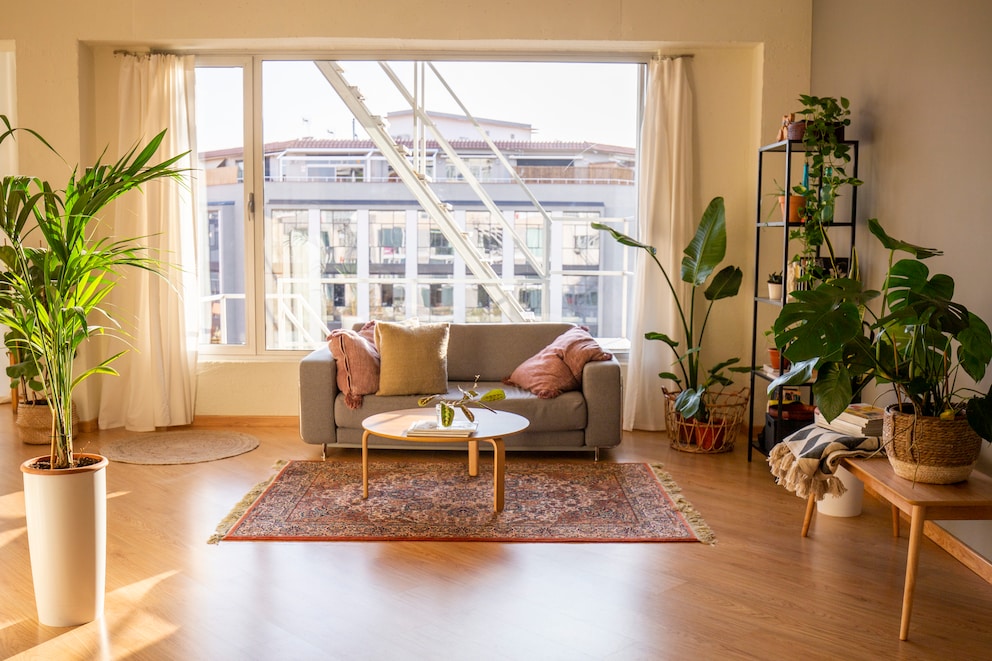
Wood tones on the floor and in furniture give a room natural warmth. Often, proximity to nature can make a home a retreat. If you want to implement cocooning at home, aim for a balanced mix of wood, metal, and other materials. Even a simple wooden coffee table makes a room cozier than a plain glass table.
This automatically creates a sense of closeness.
4. Warm Earth Tones—Especially on the Walls
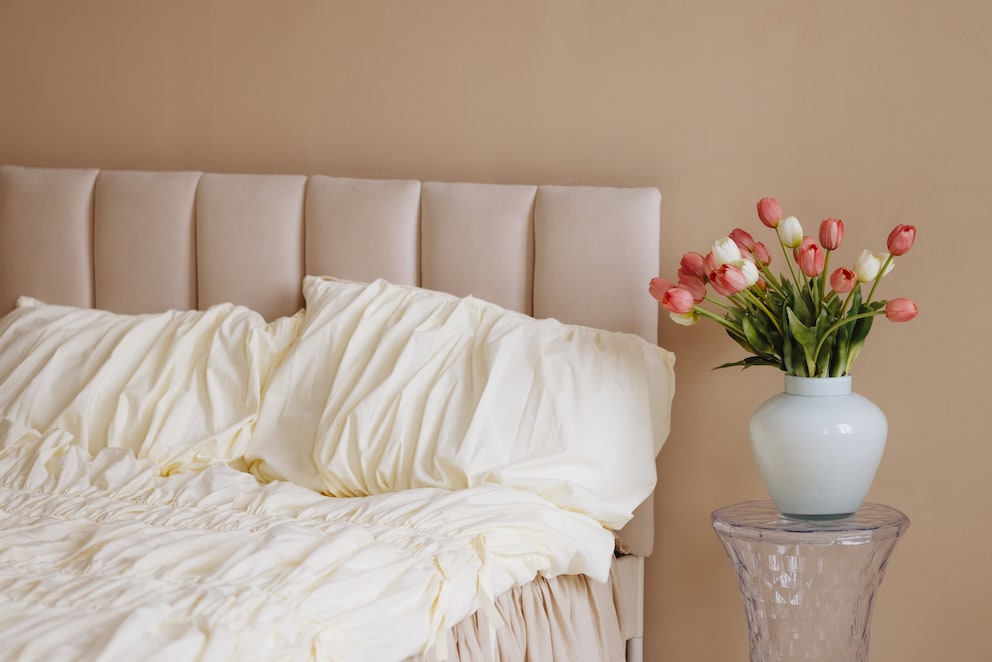
Wall colors play a significant role. While dark colors can create a cozy atmosphere depending on taste and perception, earth tones like beige, Bordeaux, or light brown are generally considered very cozy. The brain associates these tones with nature and finds them much more pleasant to the eye than overly bright or dark colors. The walls, which separate a room from everything else, contribute to the desired cocoon effect.
Also interesting: How to stylishly decorate your apartment with beige decor
5. Round Shapes in Furniture
Cocooning speaks of smoothness and gentle transitions, created by fewer edges. A round coffee table or chairs with more curved lines, as well as paintings with circular motifs—all of these contribute to a harmonious overall picture compared to clear separations like corners, edges, and partitions.
By the way: Open floor plans were long considered a symbol of harmony and an “invitation” to feel at home. In cocooning, however, smaller rooms with clear functionalities provide comfort and protection.