


April 17, 2026, 3:14 pm | Read time: 4 minutes
Choosing the right wall color is more than just a matter of personal taste—it’s a crucial factor in the overall impact of a room. The floor, in particular, plays a significant role: It forms the visual base and influences whether a room feels warm, cool, elegant, or modern. Those who skillfully coordinate both create a harmonious home with character. But which wall color actually harmonizes with which floor? myHOMEBOOK provides an overview.
Warm, Light Wood Floor

A warm, light wood floor—such as oak or beech—brings a natural brightness and warmth to the room that feels instantly inviting. This warmth makes it so versatile. However, it also requires a carefully coordinated wall design to avoid becoming random or overwhelming.
Wall colors that blend into the overall picture appear particularly harmonious. Shades like cream white, vanilla, or a soft beige pick up the warmth of the floor. This makes the room feel cohesive: calm, bright, and friendly. It’s important to avoid overly cool white tones, as they can quickly create a harsh contrast and visually “cool down” the floor.
For those who want to add a bit more excitement to the room, soft, natural colors can be used. A delicate sage green, a powdery pink, or a very light terracotta add subtle accents without losing lightness. These colors are not intrusive but rather act as a gentle counterpoint to the warm wood.
Floor with Yellowish Undertone Needs Cool Shades
Yellowish wood floors can often be a challenge, as they can quickly become dominant. Here, it is advisable to counterbalance with cooler wall colors to create equilibrium. Light gray tones, cool off-white, or a subdued blue bring calm to the room and create balance by slightly neutralizing the yellowish tint. A cool taupe, which combines warmth and freshness, is also a good combination option. On the other hand, it’s best to avoid overly warm wall colors, as they can amplify the yellowish undertone of the floor.

These Are the Trend Colors for Spring 2026

How to Decorate Your Home with Pantone’s Color of the Year 2026
Cool, Ashy Floor
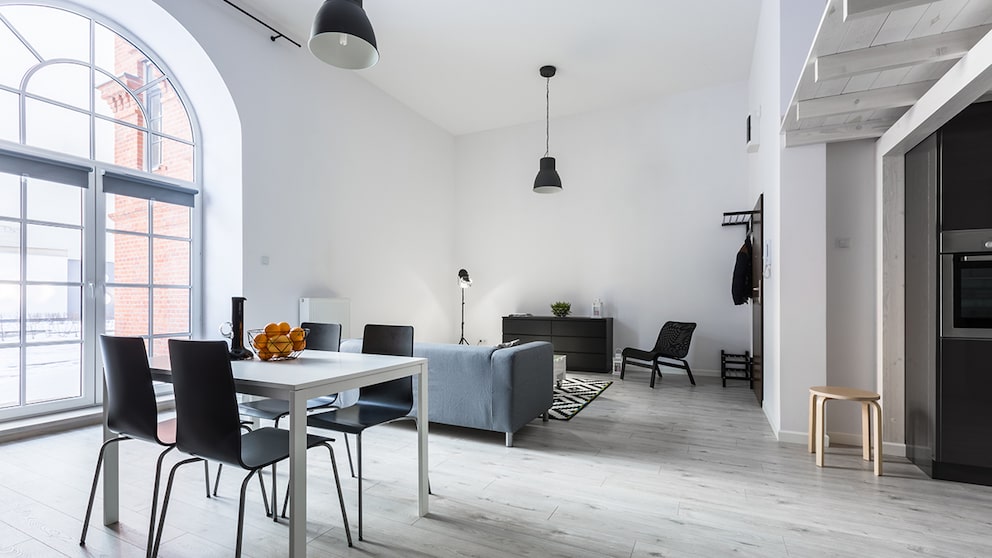
Ashy, slightly gray floors were particularly popular in modern, minimalist settings for a while. Their cool undertone brings a certain calm and clarity to the room—but can also quickly feel stark and even cold if the wall color is not carefully chosen. This is where the design opportunity lies to change the effect of the floor.
To emphasize the cool elegance of the floor, it’s best to choose wall colors that are also rooted in the cool color spectrum. Classic, slightly off-white appears particularly puristic and lets the floor speak for itself. For a softer look, opt for light gray tones or a fine greige with a cool touch. These shades provide depth without disturbing the calm overall effect.
It becomes exciting when contrasts are deliberately used. However, not in the form of warmth, but through intensity. Dark, cool colors like a rich slate gray, a midnight blue, or a deep petrol give the room character and an almost architectural effect. Especially in large rooms or with good lighting conditions, such colors can be used as an accent wall or even extensively without feeling overwhelming.
Dark Brown Wood Floor
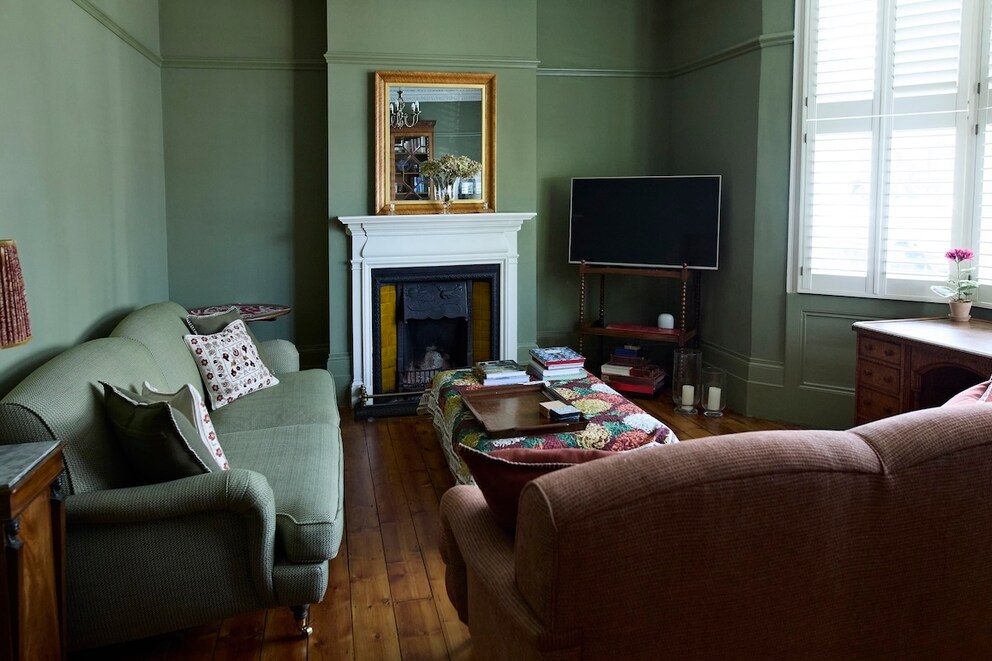
A dark brown wood floor looks elegant and timeless, but also brings a certain heaviness. To avoid overwhelming the room, light wall colors can be used. Classic white always works, but it becomes more interesting with warm natural tones like sand, caramel, or a soft taupe. These colors pick up the warmth of the floor without dominating it. For a more impressive look, bolder tones like Bordeaux or a deep olive green can be used. If there are concerns that these colors might seem too dark with the combination of the dark floor, one can start by painting just an accent wall.