


January 28, 2026, 4:35 pm | Read time: 4 minutes
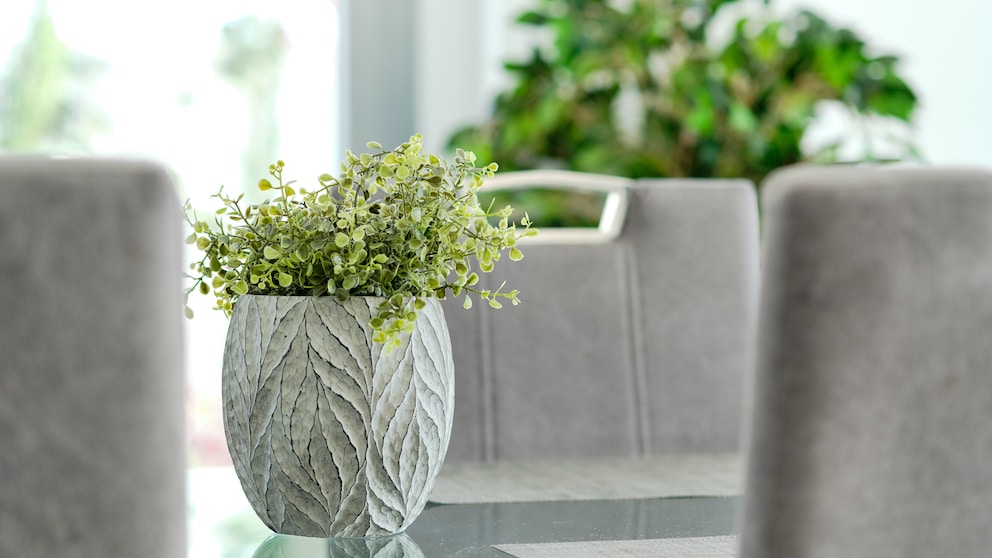
Artificial houseplants are quite practical. They need neither daylight nor watering. But whether they are good for the environment remains questionable. The pros and cons of artificial flowers.
For a long time, they had the reputation of being the evergreens of bad taste. Artificial houseplants often simply looked sterile and too unnatural to come across as “real.” Those days are over; there are now artificial plants that are amazingly well designed. Artificial Christmas trees are almost old hat. The range now extends from simple potted and hanging plants to ornamental grasses, palm trees, and flowering plants. Yes, the market even offers artificial hedges in different sizes and colors.
The Case for Artificial Houseplants
The argument that artificial plants are extremely easy to care for is unbeatable. Dust off the plastic leaves with a damp cloth once in a while—and that’s it. So if you really don’t have green fingers and manage to let plants dry out even with regular watering, artificial houseplants could be the solution for you.
Artificial plant-themed home accessories are also perfect for those spots in your home that see little to no daylight, such as windowless bathrooms, dimly lit hallways, staircases, or entryways. In this article, you can also read which real houseplants thrive in the bathroom.
Artificial Plants Don’t Get Sick
Another significant benefit is the hygienic aspect, which is undeniably important. Where you don’t water with real water, there is no risk of mold or fungal infestation. As a result, germs are generally unable to spread on artificial plants. And that is good for old people’s homes, hospitals, but also large canteens or generally where hygiene standards have to be particularly strict.
Ultimately, the purchase of artificial houseplants also makes financial sense. As they generally last for a long time or forever, you only have to buy them once. Unlike living plants, artificial plants can also be stored away from time to time. If the artificial flowers end up in the cellar, storage room, or attic, they will not be damaged.


Real Christmas Tree or Artificial Fir: Which Is Better for the Environment?

Why Colorful Stairs Are Trending Now
Assessing the Environmental Impact of Artificial Houseplants
Whether artificial houseplants are good for the organic conscience is a subject of constant debate. While many “real” plants that you can buy all year round are grown under questionable conditions and delivered from far away—think supermarket roses—the artificial fir, plastic box, or PVC monstera are made from recyclable materials. At least that’s what the manufacturers promise. This is supposed to minimize the problem of microplastics and climate-damaging cultivation methods.
It is frequently overlooked that the production of artificial plants and silk flowers still predominantly occurs in the Far East. And then delivered to us from there. The CO2 footprint that we leave behind when we buy artificial houseplants from Asian countries remains high.
The myHOMEBOOK Editorial Team: A House Divided
Editor Laura, advocate of real plants
I’m not here to demonize artificial plants; in fact, I consider them a practical and highly recommendable option for those who struggle with plant care. And yes, many of the plastic plants now look deceptively real. But for me, they are not and never will be an adequate substitute for real plants.
My apartment is full of beautiful, diverse plants that need a lot of care. Fortunately, my green fingers are pretty good. That’s why I enjoy regularly giving each and every one of them water or a little fertilizer and being able to watch them grow, thrive, and, above all, bloom. I would miss that with a plastic counterpart. Also noteworthy are the plants’ properties that contribute to improving the indoor climate. Plastic plants are no help if the humidity is too high, the air is dry, or there are unpleasant odors.
Editor Felix, has artificial plants himself
Of course, artificial plants cannot keep up with real plants in many areas. Anyone who decorates their home with plastic plants is probably aware of this. However, there are areas where you can’t get very far with real houseplants—especially if there are no windows, such as in my bathroom. I must admit, there are times when I simply don’t have enough time to properly care for the plants in my apartment. I’ve already been annoyed a few times because they’ve died. That’s why I now only have low-maintenance specimens—and some artificial plants too.