


June 21, 2026, 10:47 am | Read time: 5 minutes
Our society is aging. However, compared to previous generations, people today are entering the final stretch of life much healthier. Many want to live actively and independently in old age. This is where longevity living comes in. myHOMEBOOK describes what this housing trend is all about and how everyone can make their living environment a bit more livable in this article.
First Longevity Housing Projects
Science has been dealing with the concept of longevity for some time. It primarily focuses on how to extend one’s life actively, consciously, healthily, and independently while maintaining physical and mental capacities.
This longevity trend has now extended to the housing sector. In Germany, for example, there are initial longevity housing projects. One of them is operated by Vivir GmbH in Dresden. “Instead of traditional senior or nursing homes, we create rental apartments with high living quality, complemented by community rooms, exercise and health offerings, and good urban infrastructure,” describes Thomas Henke of Vivir. “Our Vivienda residential quarters are characterized by low-barrier facilities, featuring spacious community rooms as a kind of second living room for sports courses, meetings, events, communal cooking, celebrations, or just spontaneous get-togethers. Additionally, services such as physiotherapists, yoga instructors, or alternative practitioners are available on-site.”
While this housing model is aimed more at a financially better-off target group, longevity can also be implemented within one’s own four walls. However, the extent to which this is possible remains primarily a question of cost.

How Gardening Affects the Psyche

“Anyone Who Always Keeps Things Perfectly Tidy Either Has Too Much Time or Something to Prove”
What Characterizes Longevity Living?
In longevity living, prevention in all areas of life takes center stage. A living and life environment that promotes movement, relaxation, and social contact has a preventive effect.
The concept can be divided into five sections. These scientifically proven sections improve quality of life and can also be implemented in one’s own apartment or house.
Health-promoting living space design: Using natural materials like wood, linen, natural stone, or clay in your own home reduces pollutants and creates a connection to nature. To reduce fine dust concentration, regular ventilation helps. Opening windows three to four times a day for five to ten minutes significantly improves air quality in the rooms. Large windows provide more light in the apartment. Supported by bright colors, sleep and overall mood improve. To combat noise stress, use seating furniture, carpets, and curtains made of natural fibers.
Accessibility & Safety
It sounds simple, but non-slip floors, step-free transitions, grab bars in the bathroom and shower, and railings in stair areas reduce the risk of a serious household accident. Falls are the most common reason why people can no longer live independently in old age. Numerous smart home solutions also make everyday life easier. With voice assistants like Alexa, Google Home, or Siri, lights, heating, or blinds can be controlled via smartphone. The use of intelligent lighting with motion detectors reduces the risk of serious falls in the dark.
Movement and Activity in Everyday Life
Many people need incentives to move. Therefore, it is worthwhile to create such incentives in your own living space. It is enough to place small exercise equipment, such as a balance board or resistance bands for leg training, in view. Raised beds or herb gardens can still be tended by people when bending becomes difficult. The body thanks you by releasing happiness hormones like dopamine or serotonin. Additionally, it is worthwhile to not only manage friends online but also actively visit them or invite them to your home.
Nutrition & Kitchen
Preparing meals is easier when the workspace is pleasantly designed. This includes ergonomic work heights of 85 to 95 centimeters and pull-out countertops. Steamers, air fryers, or slow cookers ensure gentle preparation. A balanced diet with vegetables, fish, and whole grains, combined with sufficient exercise, improves physical well-being.
Mental Health & Social
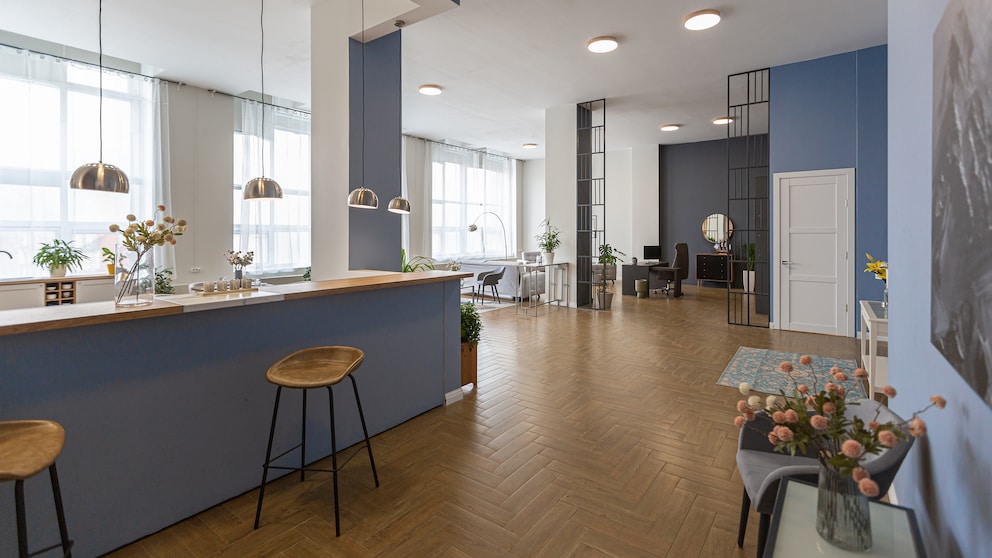
People need both: a healthy social environment and retreats. Such a retreat can be a cozy meditation or reading corner, with a plush carpet, soft cushions, dimmed lighting, and a quiet location. Warm colors like beige or terracotta have a calming effect. Blue and green tones promote concentration. Open floor plans, such as an open kitchen to the living room, create ample space for social interaction.
Who Benefits from Longevity Living?
The extent to which longevity elements can be implemented in one’s daily life naturally depends not only on the available budget but also on one’s living situation. A rental apartment offers fewer possibilities than a house. Therefore, the costs of such measures are difficult to quantify. They range from a few hundred euros to several tens of thousands of euros. For renovations that fall under “age-appropriate remodeling” or “energy-efficient renovation,” there are grants available, such as from the KfW.
Even though longevity living is more appealing to an older audience, young people and families should also think about aging early on. What is easy today may become difficult tomorrow. Accessibility makes everyday life easier, even in young years, and reduces the risk of serious falls with bone fractures and other physical impairments.