


October 16, 2022, 4:34 am | Read time: 4 minutes
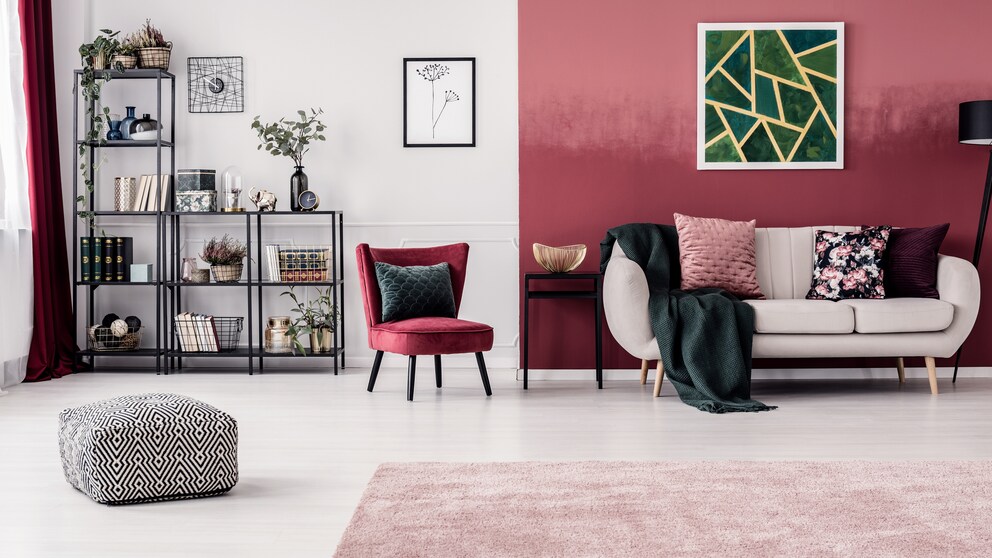
Watercolors are currently trending. Even in your own living spaces, this special painting technique creates an exceptionally appealing effect. myHOMEBOOK presents three techniques for painting walls in a watercolor look.
When you look at social media platforms like Pinterest, Instagram, and others, you increasingly see walls in a watercolor style. This wall design is neither a specific color nor a specific pattern. Watercolor is more of a special painting method that can be applied to walls using various techniques. The key element is water. It dilutes the existing paint so much that, in the end, a genuine, albeit unique, artwork emerges. myHOMEBOOK presents three watercolor techniques.
Table of Contents
3 Watercolor Techniques for the Wall
The good thing is, no matter which technique you choose for watercoloring, the result is a unique wall design that is one of a kind. It’s a look that doesn’t appear precise or strict but rather almost untamed and wild. There’s plenty of room for your own artistic expression. Instead of hard edges, watercolor walls feature gentle transitions.
The delicate image created by the blending of individual colors is special, yet it usually remains subtle in the background. It’s not uncommon for surprising effects with intriguing color gradients and wild contours to occur when watercoloring walls.
Before You Start Watercoloring the Walls
No matter which watercolor technique you choose, before you start, the wall surface should be as light and monochromatic as possible. Ideally, the surface is completely painted white. This is because all three techniques will not completely cover previous paint coats, stains, or blemishes on the wall.
Additionally, you should consider the starting point of the entire wall design in advance. So, where should the color flow? Where will most of the color concentrate on the wall surface? It can be helpful to lightly mark these “concentration areas” with a pencil to keep your goal in sight.
Technique 1: Dabbing
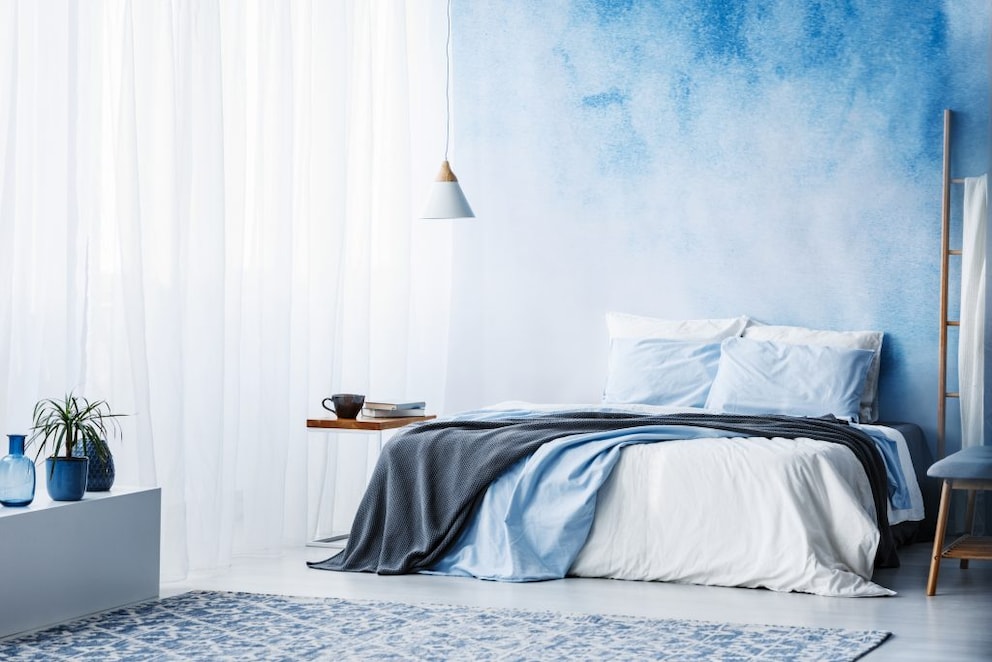
A popular technique to achieve the watercolor look on the wall is dabbing. For this, you should work with a sponge or cloth and occasionally with a brush. It’s recommended to create individual “color concentration areas” that gradually form a watercolor gradient on the wall.
https://oembed/myhomebook/affiliate/c70b9d0f0a91e64f7c88f7194b957818d0f83f415460c182cf05899b7eb623b3/8e6e2b30-0677-421d-83d2-e1e4481878f8/embed
Basically, any shape or simply a larger color blotch will do. Then, use a spray bottle to add plenty of water, and you can start dabbing vigorously. The advantage of this technique is that the resulting image can almost always be completely corrected and changed if it’s not to your liking. Just add more water and use a sponge, brush, and so on to create a new watercolor.
Also interesting: 6 current trends in wall art that bring variety to your home
Technique 2: Color Gradient

This technique may require a bit more courage, as you have little control beyond the color selection. All colors are mixed with water to varying degrees and then applied at the top of the wall. This way, the individual colors gradually, but most importantly, randomly flow from the ceiling to the floor, resulting in a unique artwork.
It looks original if the wall is styled like a rainbow from left to right. Such a colorful design appears very cheerful, but it may not suit everyone’s taste. If it’s too vibrant for your interior style, you can focus on a reduced selection, such as tones within a single color family.
Technique 3: Ombré Style
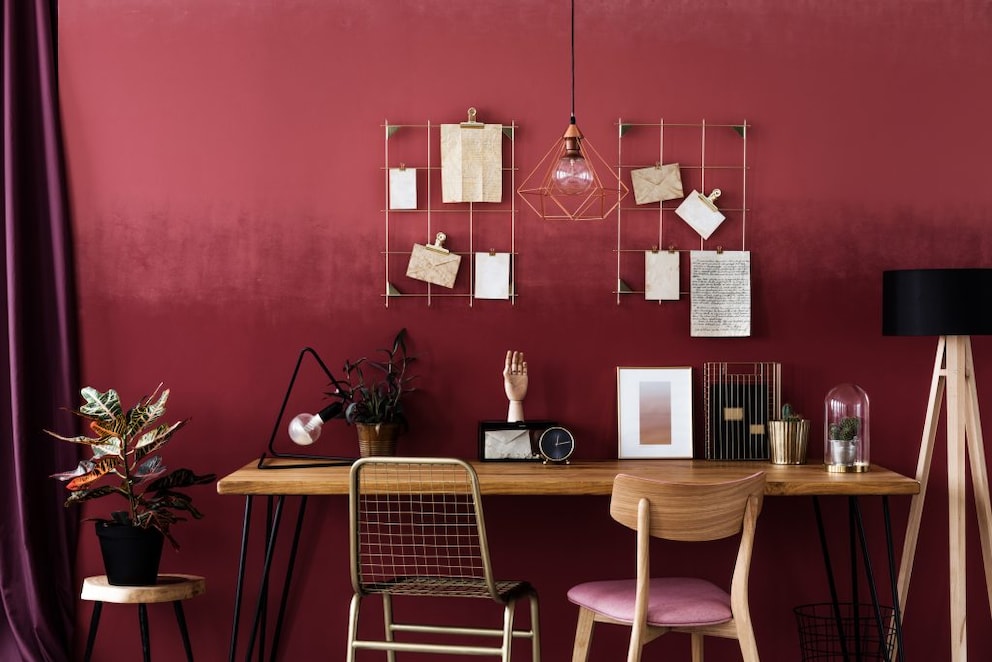
The Ombré style is primarily known as a hair coloring technique, but now the trend adorns entire walls. The special feature is the even blending of wall colors into each other. Typically, most of the color is concentrated at the bottom of the wall and is gradually enriched with more water towards the ceiling, causing the color to gradually fade. The color sections on the wall are distributed with light sweeping motions. By the time you reach the top of the wall, the color should be completely faded or even entirely white.
Tip: If you’re hesitant to watercolor walls yourself or quickly reach your limits, you can also find wallpaper options that look like a genuine watercolor artwork on the wall.