


October 25, 2025, 11:04 am | Read time: 5 minutes
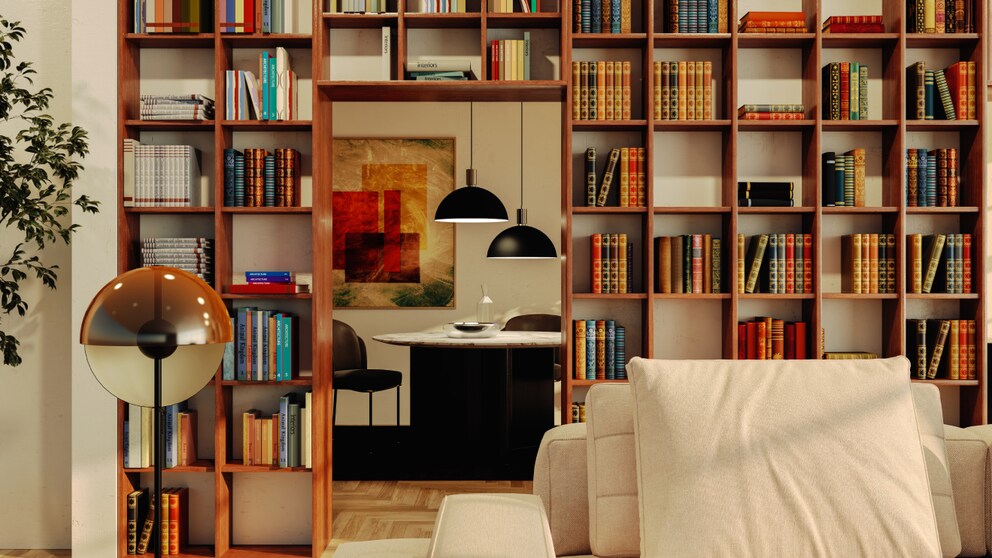
In many homes, storage space is limited. However, there are unused areas in every room that can be excellently utilized for additional space. The area around doors is often overlooked, even though it can be ideal for shelves. Shelves framing the door not only create order but can also serve as a decorative design element in the room.
Follow myHOMEBOOK on WhatsApp now
Make the Most of the Space Around the Door
Sure, the empty space around the door frame is great for a beautiful wall design–but also for practical storage. This area can be optimally designed with shelves without overcrowding the room. Books, decorations, plants, or everyday items can be stored here in a space-saving and stylish manner.
When planning, ensure that the shelves are installed so the door can be opened easily and the upper shelves remain accessible. Accessibility is as important as stability. Heavy materials should be securely anchored to the wall to prevent accidents. It is also advisable to check the load capacity of the construction in advance to avoid overloading the shelves.
Custom or DIY Shelves Around the Door
When building shelves around the door, you can choose between custom-made solutions and DIY projects. Custom shelves can be perfectly adapted to the wall and door dimensions, allowing them to blend harmoniously into the room. You can combine open and closed compartments to store both practical and decorative items. It’s always better to think carefully in advance about which items you want to place where to better divide and plan the compartments, whether you plan the shelf yourself or have it made.
If you’re handy, you can also build the shelves yourself. Wood, screws, and sturdy brackets are often enough to create a unique piece of furniture. However, ensure that the compartments are not too close together to allow air circulation and prevent mold. You can also use sketches in advance to check how the proportions work best. When arranging, you can frame the door as a central point, creating a harmonious overall picture.
Also interesting: 7 Tips for More Safety in DIY Projects
Design Options
Depending on the room, purpose, and style, there are various ways to design shelves around the door. You can use closed shelves to store clothes, files, or other items that should not be visible. Partially open shelves are often combined with drawers or doors at the bottom and open compartments at the top to display books or decorations.
Modular systems can be flexibly adapted and connected with other furniture, such as a sideboard or TV stand, to create a cohesive room concept. If the door is in a corner, you can extend a corner shelf to the adjacent wall to use every inch of space, while open shelves are well-suited for displaying books, plants, or decorative objects and framing the door as a visual focal point.
Material Options
Wood is particularly suitable because it can be used robustly and durably. Pay attention to the type of wood and surface treatment to ensure the shelves last a long time. Light tones make rooms appear larger, while dark woods create a classic and elegant look. Alternatively, you can use metal or combinations of wood and metal to achieve a modern look. Ensure that the shelf depth does not block the door, allowing it to open easily. Modular shelves can be expanded later without major renovations.
What to Consider When Planning a Wall Unit
Optimizing Niches: Creative Solutions for More Living Space
Practical Considerations
As important as the choice of material and design are some practical points to consider. Always keep usability in mind and provide a small ladder or easel for high shelves if necessary. As mentioned, leave enough space between the shelves to allow air circulation and prevent mold, especially in rental apartments. Place heavy materials in the lower compartments and lighter items above to ensure stability. You can combine open and closed compartments to make the shelf appear structured and tidy. Additionally, you can highlight the shelf with LED strips or small spotlights to ensure the objects are well-lit and create a decorative effect.
Also interesting: The Best Time for Renovation or Remodeling
Shelves Around the Door Are Practical in Every Room
Shelves around the door can be used in many ways. In the living room, they create storage space or a place for books, plants, and various decorations. In the hallway, the shelf around the door can become part of the wardrobe, where scarves, bags, or keys can be stored within easy reach. In the children’s room, such a shelf offers plenty of space to neatly store toys, school supplies, or craft materials. In the office, you can organize files or professional literature without overloading the desk. It’s always better to use the lower compartments for heavy items and place lighter things above to keep the shelves safe and practical.