


March 4, 2026, 5:06 am | Read time: 4 minutes
Interior trends come and go, but some we are truly tired of by 2026. What once dominated Instagram feeds now seems more staged than inspiring. myHOMEBOOK editor Mareike Schmidt reveals which interior trends have finally run their course in 2026.
Staged Bookshelves Without Personality
The perfectly arranged shelf with color-coordinated books, randomly draped candles, mini vases, and abstract sculptures? No, thank you. We’ve seen enough of that in recent years. Worse are the so-called “decorative books” with neutral linen covers or prominent titles that were never read. Or artificially aged vintage books that are placed on the shelf solely for the “old money” look. And please, no more books sorted with their spines facing the wall just so the “too colorful” spines don’t disrupt the color scheme—as if literature were merely a nuisance in the interior concept.
As a literature scholar, this treatment of books pains me a bit. At the same time, I understand that not everyone has a strong interest in literature, and that’s perfectly fine. But then one should own up to it, rather than degrade books to mere props. A bookshelf should tell who lives here, not which Pinterest algorithm dominated last. In 2026, we wish to see the presentation of real favorite books, signs of use, maybe even some disorder. Personality beats perfection. Because a shelf is not a showroom, but a silent self-portrait. It can grow, change, and have gaps.
Archways Without Architectural Context

Round arches were everywhere in recent years: as wall openings, as decorative elements, as mirrors, as headboards, or as niches. Inspired by Mediterranean architecture or Art Deco touches, they initially appeared soft and elegant. The problem arises when they are used purely decoratively and without architectural context, such as in a clear new build with minimalist lines, where a suddenly inserted arch appears. By 2026, this interior trend has run its course for me, and I believe it’s time to take a closer look: Does such an element really fit the layout, construction, and materiality? If not, the round arch remains an alien element. Authenticity replaces mere form play.
Over-Staged Coffee Table Stylings
The coffee table as a display area: three stacked photo books, a scented candle, and a stone object. Nice, but often sterile and impersonal. What was once intended as curated casualness now feels like a stage without life. Rooms can look used again: a glass of water, a current newspaper, maybe a started notebook or the book you’re currently reading—all of this can lie around and tell more of a story than the hundredth perfectly coordinated coffee table arrangement.
6 Creative Easter 2026 Decorating Ideas
Barely Set Up, Already Outdated! Why Interior Design Trends Age So Quickly
Bouclé Overload
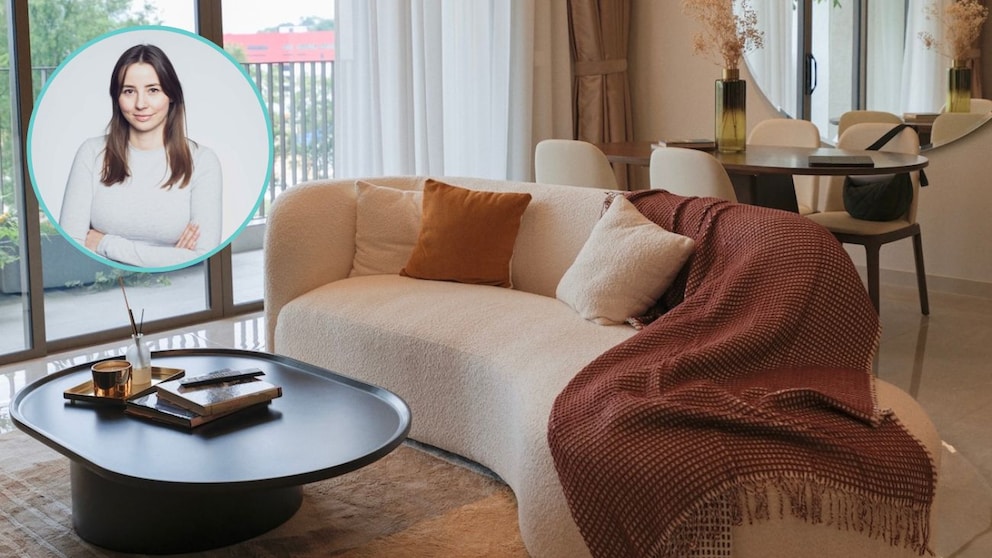
Bouclé was the material of the past few years: It adorned armchairs, sofas, stools, and beds. The fluffier, the better. The fabric brought softness and warmth to minimalist and rather sterile settings. But now there’s a certain material fatigue. Especially when bouclé was indiscriminately integrated into every room, it loses its appeal. Instead, more differentiated textures are taking hold: coarse linen, structured wool, oiled wood, and natural stone with visible grain. Better to rely on less trendy material and more on material honesty.
Artificially Created Patina
Patina was in demand for a long time, whether “used look” furniture, aged accessories, or deliberately imperfectly painted walls. But artificially created history remains just that: artificial. What matters today is real substance. An inherited sideboard with scratches or a wooden table that darkens over the years is authentic. Materials are allowed to age and don’t need to be produced merely to look old.
The trend toward artificial patina thrived on the longing for authenticity. In an increasingly digital and smooth world, the “vintage look” promised warmth, individuality, and a narrated past. But the more this style was industrially reproduced, the clearer its contradiction became: What was meant to express history came factory-new from the container. Signs of use were standardized, cracks pre-planned, and color abrasions machine-generated. The result was not a grown aesthetic, but rather a calculated effect. And therein lies the problem. Because patina is actually a byproduct of time, use, and material quality. When artificially created, it loses its meaning. Real patina needs time, and that cannot be bought.