


May 26, 2026, 4:29 am | Read time: 5 minutes
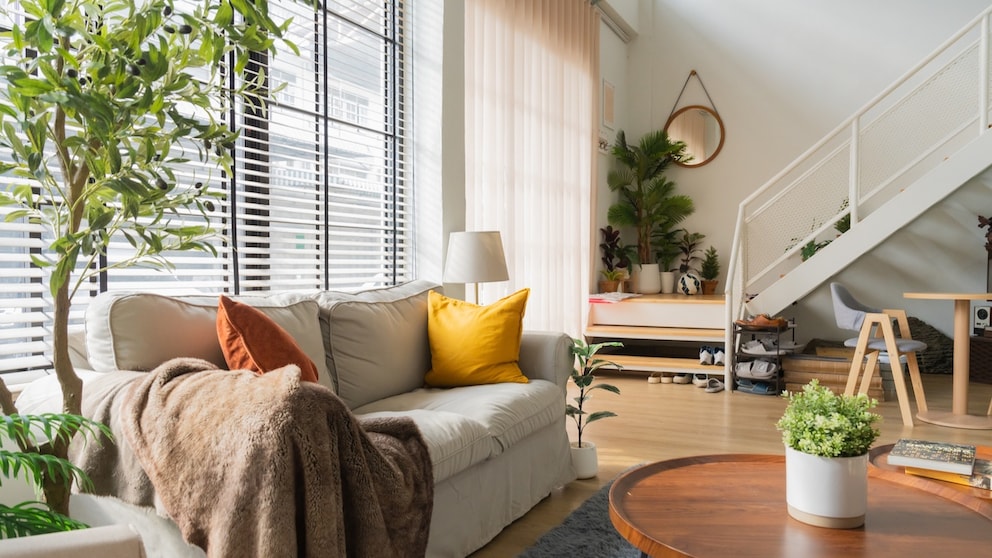
“A home is never truly finished”—few statements describe good interior design better. Rooms evolve with the people who live in them, changing with new habits, memories, and needs. Especially in times of fast trends and perfectly staged living spaces on social media, it’s worth taking a more conscious look at your own decor. The most beautiful rooms rarely come together overnight. They grow slowly, feel personal, and tell stories. myHOMEBOOK editor and interior expert Mareike Schmidt shares the principles she follows in her own decorating.
The Most Beautiful Rooms Emerge Over Time
Perhaps the most important principle in decorating: No home needs to be perfectly furnished right away. Especially after a move, there’s often pressure to complete all rooms as quickly as possible. But truly harmonious interiors usually develop slowly. Taking your time leads to more thoughtful decisions. Instead of hastily buying furniture just to fill empty corners, it’s worth settling into the space first to discover how you actually live. Where does the best morning light fall? Which corner becomes a favorite spot? Which colors feel right in the long run?
A home gains character when pieces are added gradually—perhaps a vintage find from a flea market, a lamp from a vacation, or an inherited piece of furniture with a story. This mix makes rooms interesting and personal.
First the Wall Color, Then the New Furniture
Many people think of new furniture when considering a change. However, a new wall color can completely transform a room, often at significantly lower cost.
Colors greatly influence atmosphere, light effect, and spatial perception. A warm off-white instead of classic white walls makes rooms appear calmer and more upscale, muted natural tones create coziness, and dark shades add depth and elegance even to simple rooms. Often, a room feels more harmonious after a new coat of paint without replacing a single piece of furniture. Therefore, it’s particularly sensible to reverse the order: Define the color scheme first, then match furniture and accessories to it.
Small rooms benefit enormously from this. A wisely chosen wall color can make a room appear larger, brighter, or cozier—and often changes more than a new sofa.
Every Object Needs Its Own Place
Order has a surprising amount to do with the feeling of a home. Even the most beautiful decor loses its impact if things are constantly lying around or there’s no clear system. Therefore, every object should have its own place. This doesn’t mean living minimally, but rather consciously planning storage that makes everyday life easier. Closed cabinets provide visual calm, baskets and boxes help with small items, and clever built-ins make even tricky corners useful.
It’s especially important to consider storage from the start. A beautiful home only works long-term if it’s also practical. Those who can quickly tidy up in daily life automatically find rooms more relaxing and livable.
Invest Wisely
Not every piece of furniture needs to be expensive—but some investments are definitely worth it. Especially for furniture used daily, quality pays off in the long run. A good sofa, a high-quality bed, or a sturdy dining table often accompany you for many years. They significantly influence the comfort, atmosphere, and usability of a home more than short-term trend pieces. It’s worth focusing on durable materials, timeless design, and good craftsmanship.
It’s different for decorations and smaller accessories. Here, wonderful second-hand treasures can often be found: vases, candle holders, picture frames, or small side tables often gain charm through signs of use. This also creates an individual mix that makes rooms feel less catalog-like. The art lies in setting priorities consciously and not wanting to buy everything new at once.
Goodbye Beige! Home Decor Is Finally Getting More Colorful

6 Tips to Make Your Bedroom Cozier
Design Must Fit Real Life
A decor can be aesthetically pleasing, but if it doesn’t work in everyday life, it quickly loses its appeal. Therefore, an important principle in decorating is that good design should always be oriented toward the lives of the people who live with it.
This means materials should be easy to care for if children or pets are in the household. A dining table should be large enough for shared evenings, and a living room doesn’t need to look like a showroom, but it should be a place where you enjoy spending time.
The most beautiful rooms combine aesthetics with practicality. They don’t look perfectly staged but rather authentic and lively. Ultimately, it’s not about following a trend but creating a home that truly enriches your life.
Personality Trumps Perfection
Perhaps this is the most important principle in decorating: Rooms should show personality. A home can have corners, carry memories, and change. Only then does a true atmosphere emerge. Those who don’t chase every trend but consciously select, combine, and let things grow create rooms with depth and a home that feels right in the long term.