


January 30, 2026, 8:55 am | Read time: 4 minutes
A room with little light looks cramped, dreary, and uncomfortable. But with the right interior tips, even a dark room can be tastefully furnished.
Some room in your own home is always affected. It either faces north or the small inner courtyard and thus suffers from a considerable lack of sufficient light. As a result, the interior feels deprived of several square meters of space, but also of cosiness. So how can you furnish a dark room to make it look bigger? Our interior designer and myHOMEBOOK editor Odett Schumann knows the answer.
Natural and Artificial Light
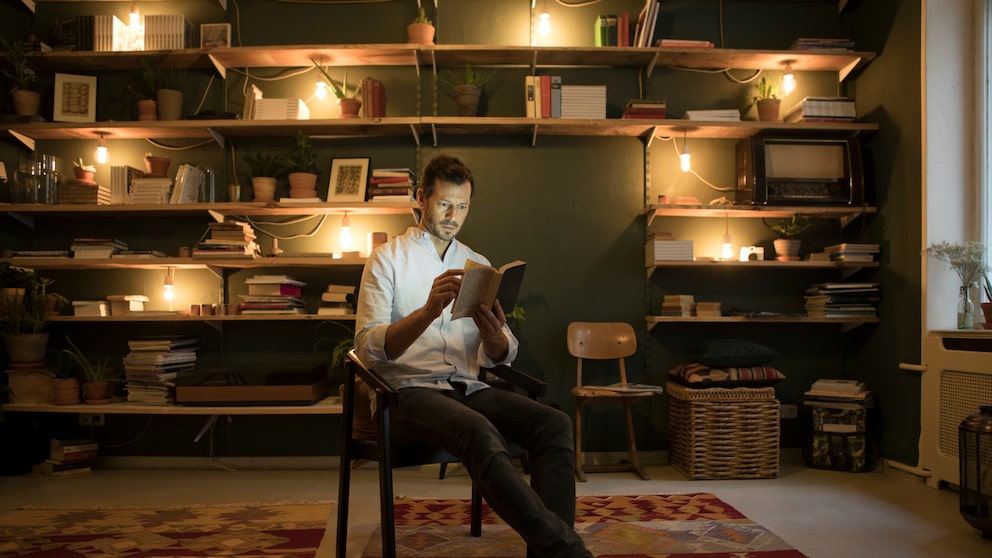
If only a small amount of light enters the room from outside, then artificial lighting must be used. For an optimal symbiosis of natural and artificial light, the latter in particular should be carefully positioned in the room—and generously! Ideally, there should be several light sources on several levels and in different areas of the room so that it is optimally illuminated as a whole. A pendant luminaire on the ceiling, wall and floor luminaires for the mid-height of the room, and various small mood lights, especially on the lower level, create a harmonious lighting concept. Dimmable light is also particularly suitable for illuminating a dark room.
Everything Shines Brightly!
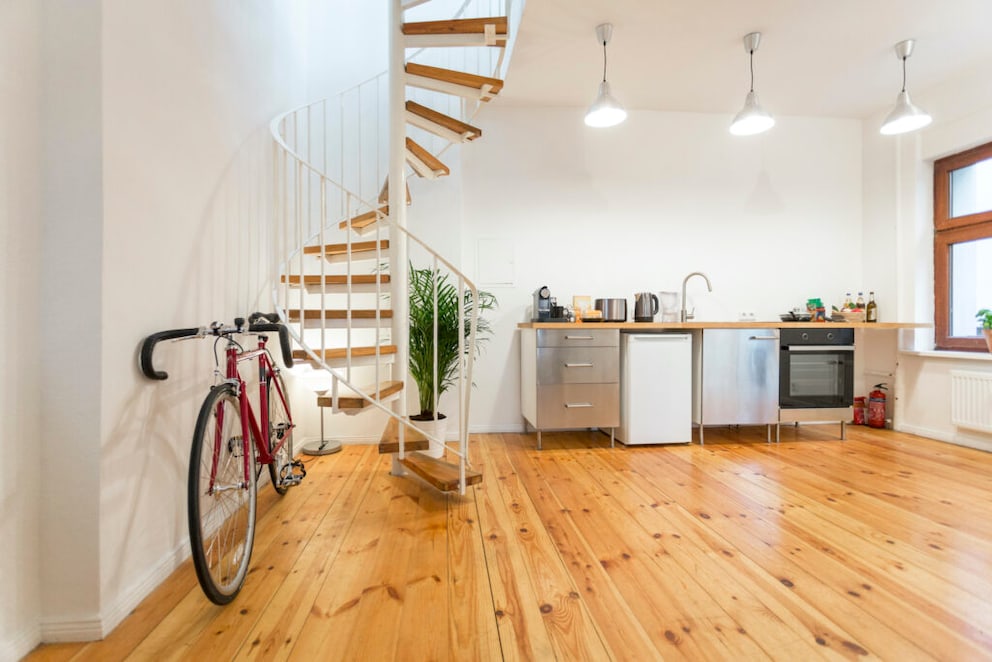
In dark rooms, it is important to ensure a certain basic brightness in the room. This is because dark colors absorb a lot of light, while white, cream, beige, or light grey, on the other hand, visually stretch a room. These shades look good on the ceiling, walls, and ideally also on the floor. Of course, as a tenant, you don’t always have that much influence here, so it’s advisable to at least opt for large carpets in light colors. The same principle naturally also applies to vertical textiles such as curtains or a tapestry. Furniture and accessories can also be light in color and material. This is because large, light-colored surfaces have a similar reflective effect in the light as a mirror.
Reflection and Transparency
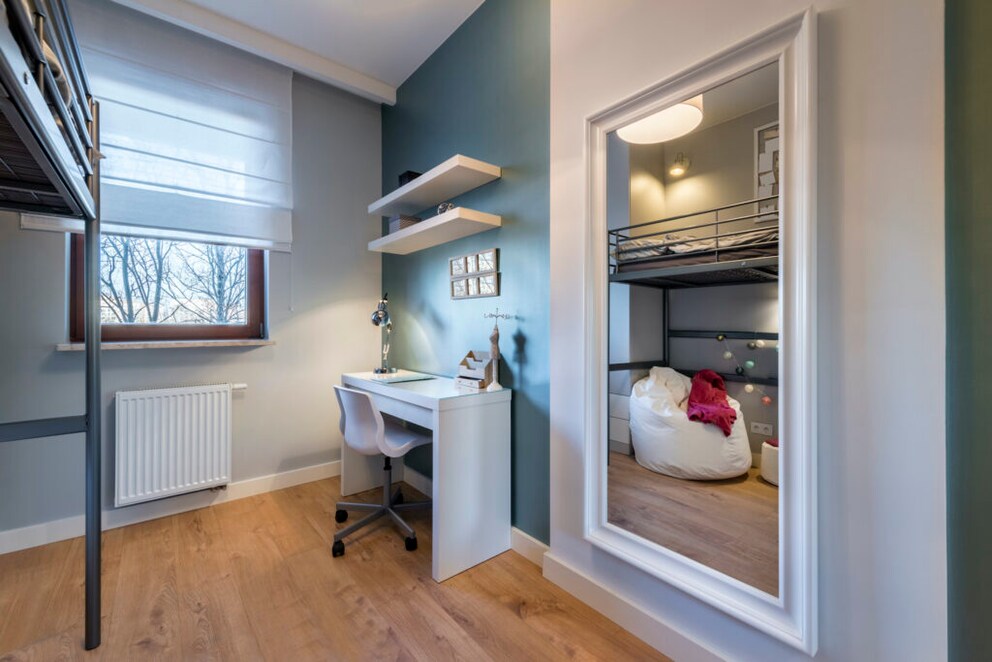
Reflective or even transparent furniture and accessories are ideal for rooms that lack sufficient light. Mirrors, lights, and details with a metallic look should always be an integral part of such a home. When it comes to all room textiles or fabric covers (e.g., on a sofa), it is primarily textiles with an iridescent effect, such as velvet or velour, that create a slightly reflective, brightening effect in the room thanks to their shimmer. The general rule is to place all reflective elements in a room as close as possible to a light source. This allows the light to be collected directly and reflected back into the room.
Transparent materials such as glass should also be included in a room with low light. Small pieces of furniture, such as a coffee table or side table, for example, as well as accessories such as bowls and vases, are available on the market in numerous models. For some time now, the display cabinet, which was long considered old-fashioned, has also been enjoying great popularity again. With a much more modern interpretation, they can now be tastefully integrated into dark rooms.

How to make a first-floor apartment brighter
These Things That Make a Living Room Look Cheap
Combining Room Elements
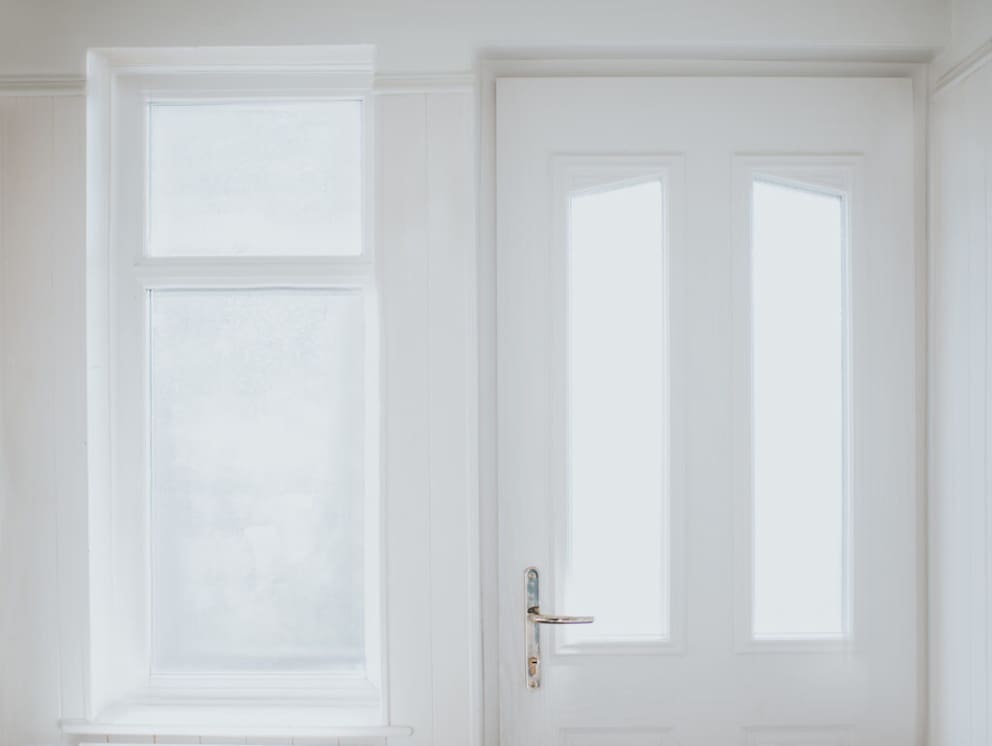
By painting the walls and integrating light-colored furniture and accessories, you can make a dark room appear larger. A final trick would be to also make the room elements that are often “overlooked” bright. This includes window and door frames, but also skirting boards. All these elements are often kept in a contrasting (wood) tone. However, if they also shine in the same color as the ceiling, walls, and floor, the entire room comes together and is perceived as larger.
Minimalism Instead of Chaos
A room that is far too dark benefits from clarity. Especially in rooms with little light, you should take tidiness much more seriously. In such cases, avoiding cluttering up the room, clearing out regularly, and paying attention to minimalism are practical furnishing aids. Accordingly, the room only contains furniture that is really needed, and accessories are only used sparingly. An airy room not only feels like it has more air to breathe, but also looks like it does.