


March 19, 2026, 3:47 pm | Read time: 4 minutes
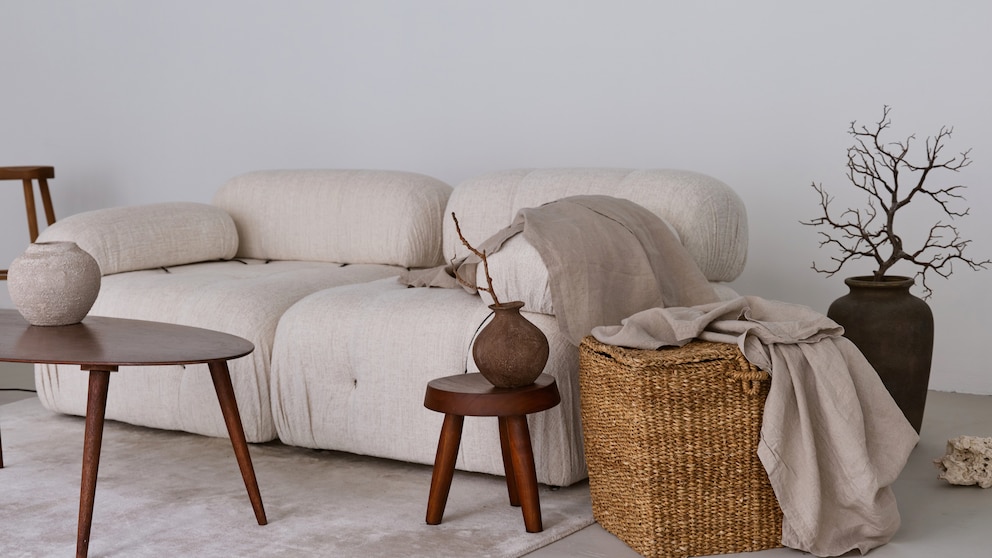
In contrast to the cool, often sterile minimalism of the ’90s, Organic Minimalism feels warm, lively, and human. Fewer items are in the room—but each element has a story or an organic connection to nature. myHOMEBOOK author and interior expert Daniela Matsuzaki explains the home trend.
Desire for Calm
While there are currently many different interior styles, Organic Minimalism hits the zeitgeist. Many people long for a home where they can breathe: not cluttered, but consciously reduced and furnished with selected, valuable items. Elements should exude calm, create a relaxed atmosphere, and simultaneously establish a connection to nature.
Also interesting: What is Cosmic Chic?
Moving Away from High Gloss
Since the feel-good aspect plays a crucial role in Organic Minimalism, the cool high-gloss interiors of the 2010s are now on hold. Furnishings should not only be visually appealing and convey an almost museum-like aesthetic but also radiate comfort and sustainability.
Thus, not only are new accessories and furniture in demand, but also a mix of vintage and modern pieces that bring warmth and patina. An old wooden floor with small dents or a dining table with a warm tabletop, where the natural grain remains visible, underscores this authentic character.
Embracing Curves

Instead of hard angles, curves are in vogue in organic minimalism. Anything that appears less rigid and conveys movement is a plus for the decor. Wavy lines, arches, and flowing transitions in interiors that connect different living areas create a calm and soft overall image.
Materials with natural textures and handcrafted home accessories can also positively highlight the atmosphere of this interior trend. Handcrafted vases or bowls, for example, that convey calm and expression, are the finishing touch in decoration.
Not Just Seeing, but Feeling
Organic Minimalism is not just about appearance, but also about feel. Coarse knit, unhewn stone, open-pored wood, or tactile materials like plaster and rough ceramics convey a strong “down-to-earth” feeling and bring naturalness into the room.
Lime-washed walls can also enhance this effect, especially when designed in warm earth tones. Combined with warm-looking, non-high-gloss furniture, this creates a calm and special atmosphere.
The New Neutrals
Cold white is no longer in vogue. Instead, warm, natural shades like oatmeal beige, cashmere gray, soft sage, and gentle sand tones dominate. A color palette appreciated by the Shakers. These subtle natural colors give the interior style its special calm and elegance. The muted natural tones have a calming effect on the eye and make rooms appear both brighter and more serene. They form a gentle foundation on which natural materials like wood, linen, or stone particularly stand out.
Integration of Nature
The integration of nature is an integral part of Organic Minimalism, not only in the form of plants but also through materials like rattan, jute, or cork. This can create a connection to nature, further emphasized by natural materials and organic shapes. Naturally, plants should not be missing, as they can create a warm and calming atmosphere and thus strengthen the connection to nature. At the same time, plants can help reduce stress and promote a pleasant room feeling.
However, one should not overdo it, but rather select plants deliberately to create harmonious contrasts. Above all, plants can enliven quieter or somewhat empty corners and give the room a personal touch. Larger plants like an olive tree, a fiddle leaf fig, or a simple monstera fit particularly well because they show presence without being too dominant.
These Are the Trend Colors for Home Decor in 2026
The Fabric Trends of 2026
Sustainability
In Organic Minimalism, it’s important to invest in items and furniture designed for longevity and that withstand many trends, so focus on timeless designs. Likewise, one should opt for natural materials like wood, stone, wool, rattan, or leather, which not only provide warmth but also develop a beautiful patina over time. Signs of use can even enhance the character of a piece of furniture. The special thing is that many of these materials often become even more beautiful with age.
Natural Light
The right lighting also plays an important role in Organic Minimalism. Instead of harsh ceiling lighting, warm, indirect light is preferred, making rooms appear softer and creating a calm atmosphere. Lamps made from natural materials like paper, linen, or ceramics fit particularly well with this interior style because they gently diffuse the light and emphasize the room’s natural character.

A Timeless Trend
“What I particularly appreciate about Organic Minimalism is the calm it exudes. Fewer things, but materials and forms that feel natural and timeless. A trend that can be seen and is also timeless.”