


February 24, 2026, 4:59 am | Read time: 4 minutes
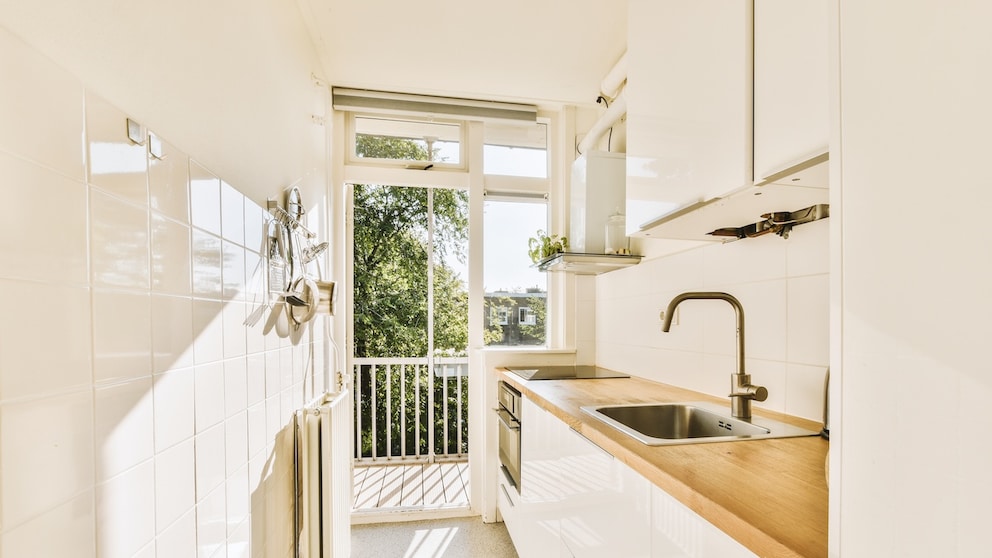
Narrow, long, and often underestimated: The galley kitchen doesn’t have the best reputation. Yet it holds enormous potential. With the right planning, clever storage solutions, and thoughtful design, what seems like a disadvantage can become a real space marvel. myHOMEBOOK editor Mareike Schmidt explains what matters.
What Is a Galley Kitchen?
A galley kitchen refers to a kitchen that stretches over a long, narrow layout. Typically, the kitchen units are arranged along one or both long walls, while the width offers little room for movement. Often, the galley kitchen is in a separate room without a dining area, sometimes serving as a passageway between two rooms. What it lacks in square footage, it can more than make up for in structure and efficiency if set up correctly.
Proper Planning Is Everything
When setting up a galley kitchen, planning determines success or frustration in daily life. First, it’s important to decide whether a single-line or double-line arrangement is sensible. In very narrow spaces, a single-line kitchen unit is recommended to maintain enough movement space. If the room is slightly wider, an opposite line can provide additional storage space—ideally, the passage should be at least 100 to 120 centimeters.
The arrangement of work areas also plays a central role. Short distances between the sink, stove, and refrigerator ensure efficient workflows and prevent the room from feeling chaotic.
Use Storage Space Wisely
In a galley kitchen, every centimeter counts. Therefore, storage space should not only be ample but also thoughtfully planned. Tall cabinets maximize volume and create space for rarely used kitchen appliances or supplies in the upper area.
Clear zoning is important here: Everything needed daily goes below, while items for special occasions go above. Pull-out shelves in base cabinets ensure the entire cabinet content is accessible with one pull, keeping even the furthest areas organized. Particularly narrow pull-out cabinets or drawers with widths of 15–30 centimeters are ideal for spices, oils, or other supplies, transforming seemingly unusable niches into functional storage wonders.
Tall cabinets offer valuable storage space without taking up additional floor space. Open shelves can be strategically used to visually open up the kitchen. Frequently used dishes or decorative elements can be showcased this way. To prevent open shelves from looking cluttered, a clear order, a limited number of objects, or a harmonious color scheme is recommended. This way, the galley kitchen remains functional, tidy, and visually calm despite maximum storage space.

Optimizing Niches: Creative Solutions for More Living Space
How to Set Up a Narrow Bathroom to Make It Look Bigger
Light Colors and Lighting as Space Openers
Color design and lighting are crucial to visually enlarge a galley kitchen. Light fronts, glossy surfaces, or subtle tones reflect light and make the room appear larger. A continuous countertop color supports the calm overall impression.
Equally important is a well-thought-out lighting concept. Under-cabinet lights, indirect LED strips, or well-placed ceiling lights prevent dark corners and create depth in the room.
Consciously Integrate Appliances
In narrow kitchens, appliances should be integrated as flush and space-saving as possible. Narrow dishwashers, compact ovens, or combination appliances are ideal solutions for the galley kitchen. An induction cooktop with shallow depth can also preserve valuable workspace.
Small details, big impact: Handleless fronts, calm materials, and a minimalist design ensure the galley kitchen doesn’t feel overloaded. Mirrored backsplashes or glass niches can additionally create a sense of spaciousness. For those who are bold, placing an accent at the end of the room can draw the eye lengthwise. A colored wall or the choice of a special material works well for this purpose.