


March 22, 2023, 1:58 pm | Read time: 3 minutes
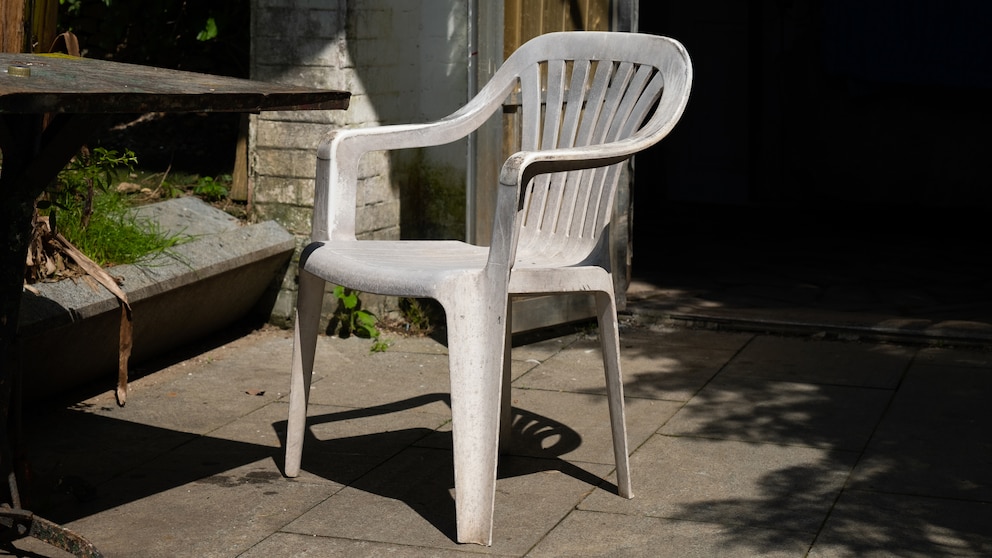
Most people know it, but only a few find it attractive: we’re talking about the plastic chair “Monobloc.” It’s the best-selling piece of furniture in the world.
Almost everyone has probably sat on the world’s best-selling piece of furniture at some point. It’s the so-called “Monobloc.” The plastic chair is nearly a classic and is indispensable from campsites, public pools, or ice cream parlors. However, it doesn’t particularly stand out for its appearance, durability, or comfort. Yet, the plastic chair has been sold more than a billion times worldwide and is the most widespread chair.
From a Plastic Chair for the Upscale Market to a Bestseller
The Monobloc was invented in 1972 by French engineer Henry Massonnet. He named the model “Fauteuil 300,” and the prototype of the white plastic chair was born. Massonnet initially designed the chair as a design object for the upscale market. He used much higher-quality materials than the chairs have today, reports Deutschlandfunk Kultur. Today, it’s much more about efficiency, with cost-cutting being a priority.
However, Massonnet was not the first to attempt making a chair from a single piece of material. The basic idea for the Monobloc goes back to the vision of many designers to create a chair from a single piece. In the 1920s, many designers experimented with metal sheets or plywood to bring their vision to life.
New plastic technologies since the 1950s made it possible to complete chairs in a single production step. Danish designer Verner Panton used this method to produce the mass-market “Panton Chair.” The “Bofinger Chair” by German architect Helmut Bätzner was also made this way, as was the “Selene” model by Italian designer Vico Magistretti.
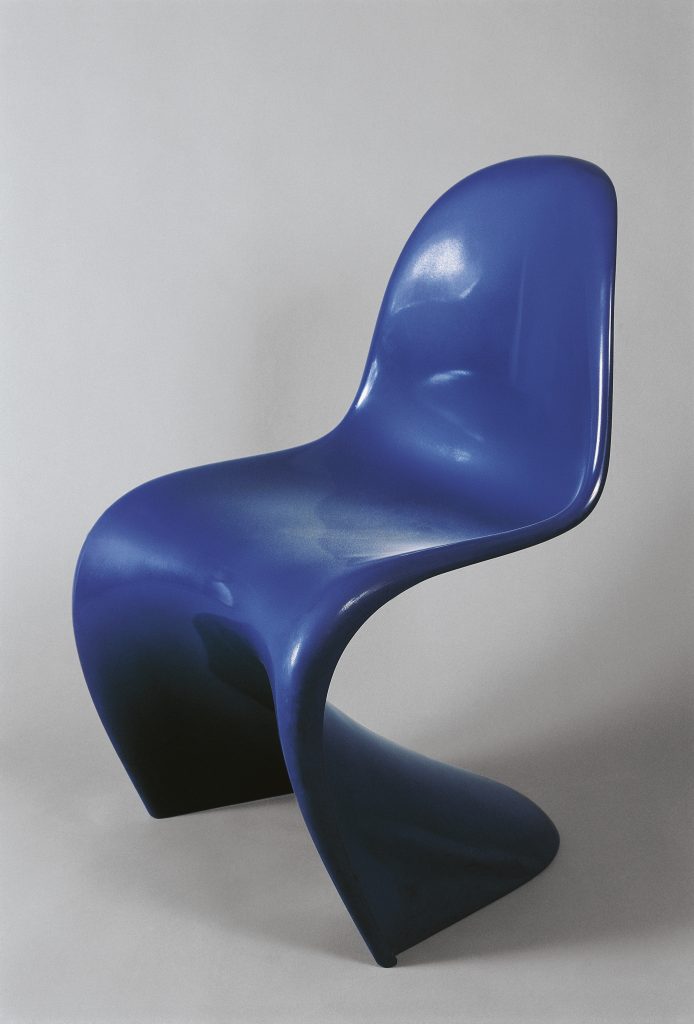
Massonnet managed to adjust the production process so that a chair was made in less than two minutes. Today, production takes less than a minute. However, the engineer did not patent his chair, which led to more companies bringing similar models to market, including an Italian family business. Founded in the 1960s by three brothers, they opened the first factory for plastic furniture. They alone sold around 250 million Monoblocs.
Also interesting: How to Find the Right Chair for Your Dining Table

The Butterfly Chair and Its Unusual History

How the Acapulco Chair Became a Design Classic for Indoor and Outdoor Use
Why the White Plastic Chairs Are Called Monobloc
Massonnet may have invented the prototype of the plastic chair with his “Fauteuil 300″–but not the name Monobloc. The name emerged from the production process. The Monobloc is cast from a single piece of material and is thus completed in one production step. The simple manufacturing and straightforward appearance led to the name Monobloc.
Practical, Affordable, and Quickly Produced
The Monobloc is practical in many ways–likely a reason why it is the most widespread and best-selling piece of furniture. The chairs are lightweight and easy to carry. They can also be stacked. Since the chair is cast from a single piece of material, it is not only quickly produced but also requires no assembly. And probably the most important point: The Monobloc is affordable. The Association of the German Furniture Industry also sees this as a reason for its great success. Additionally, the Monobloc is lightweight, stackable, and washable.
Sources
- Vitra Design Museum
- “Monobloc”: Documentary by director Hauke Wendler