

October 29, 2026, 3:37 pm | Read time: 3 minutes
During Halloween, people not only go door-to-door asking for treats or tricks but also set up spooky decorations. In addition to carved pumpkins, many tend to put up spider webs or ghost figures. However, few are aware that this can also harm animals. myHOMEBOOK consulted an expert on the effects of these decorations.
Follow myHOMEBOOK on WhatsApp now
What to Consider When Decorating
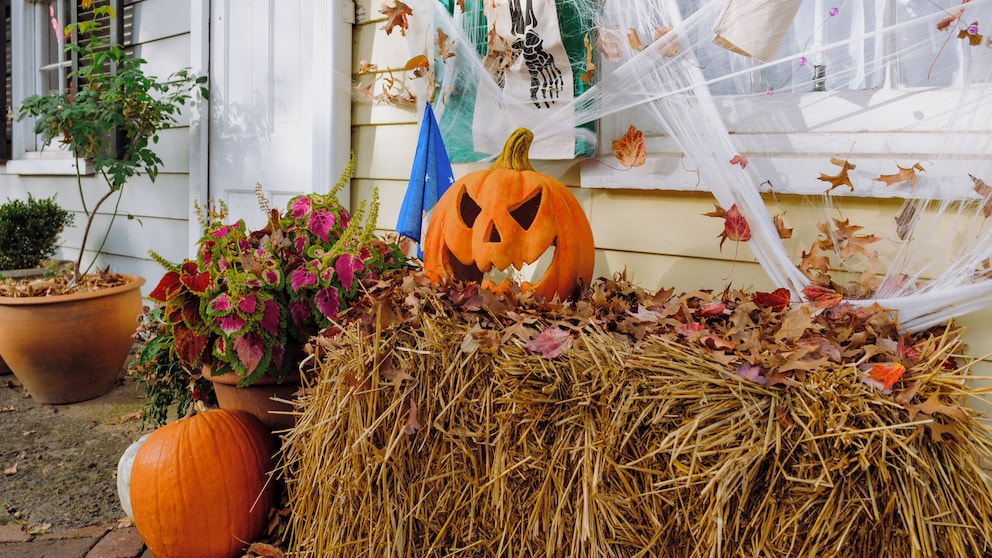
Around Halloween, you can see many houses adorned with various spooky decorations. While the decorations may seem harmless at first glance, they can be dangerous for wildlife. According to Silvia Teich, a spokesperson for Nabu, it’s important to ensure that animals cannot get caught in the decorations. This is particularly true for net-like materials. Therefore, fake spider webs are especially controversial during Halloween, while plastic pumpkins are generally considered safe, according to Teich.
Why You Should Avoid Spider Webs
Artificial spider webs are among the most popular Halloween decorations. However, if birds, bats, or other animals come into contact with them, it can be fatal. Besides the risk of animals getting caught, it also harms the environment. “Artificial spider webs are usually made of plastics and are therefore not biodegradable,” explains the expert. The fine fibers can be spread by the wind in nature or carried away by animals. If they remain scattered in nature, they turn into microplastics, thus harming the environment. Teich recommends using artificial spider webs only indoors.
Also interesting: Can I turn off the doorbell on Halloween?
Disadvantages for Nocturnal Animals
Lights also play a significant role in decoration. Especially during Halloween and Christmas, everything sparkles and shines wherever you look. For nocturnal animals, this is often an underestimated problem. Light pollution, in particular, is troubling for them. According to Teich, light at night can disrupt their biorhythm. It can either be highly attractive or highly repellent, thus disturbing animals in their natural behavior. The expert recommends: “Where possible, artificial light should be avoided, or the decorations should only be turned on for a few hours in the evening and not left on overnight.”
Things to Consider When Setting Up
For big decoration fans, larger stones or spooky figures are indispensable. The expert from Nabu explains: “Heavy decorations, such as real stones as gravestones or heavy skeletons, should be set up so they cannot easily tip over or fall.” This primarily protects wildlife from injuries.
“Net-like structures should be avoided outdoors,” emphasizes Teich. This is especially true near bushes, where many animals, such as birds, reside.

A Simple Decor Alternative to Pumpkins

How to Properly Dispose of Decorations and Costumes After Halloween
Can Real Pumpkins Be Mistaken for Food?
Hollowed-out pumpkins with frightening faces are seen in front of almost every house. But are pumpkins animal-friendly, or could wildlife mistake them for food? According to Silvia Teich, real pumpkins are generally not a problem and are always preferable to plastic decorations. However, she emphasizes: “If carved pumpkins have been treated with certain substances for better durability, they should not be left outside.” This includes hairspray, which is often used to prevent pumpkins from rotting quickly.
Disposal also poses a risk. Treated pumpkins should be disposed of in regular trash, while untreated ones can be composted without issue. It’s important to remove any candle wax residue if a real candle was used inside.
Also interesting: Placing these items in front of the heater wastes heat
Expert Recommendations for Animal-Friendly Decorations
Teich advises against using decorative lights and nets out of love for animals. Instead, she recommends natural alternatives that autumn naturally provides, such as pumpkins, hay bales, and homemade figures from natural materials like leaves, branches, and certain tree fruits.