

October 7, 2026, 2:23 pm | Read time: 4 minutes
The hallway is the first room you enter when you come home–and often the last one you see before you leave again. Yet, this area is often neglected in home design. While living rooms, kitchens, and bedrooms receive a lot of attention, the entryway often remains a purely functional passageway. Interior expert Mareike Wegener explains what to consider when designing the hallway.
The hallway holds special significance: It shapes the first impression of a home and largely determines whether a home feels inviting, calm, and well-thought-out. Therefore, it’s crucial not to overlook the hallway in home design.
Follow myHOMEBOOK on WhatsApp now
The Hallway Is the Home’s Calling Card

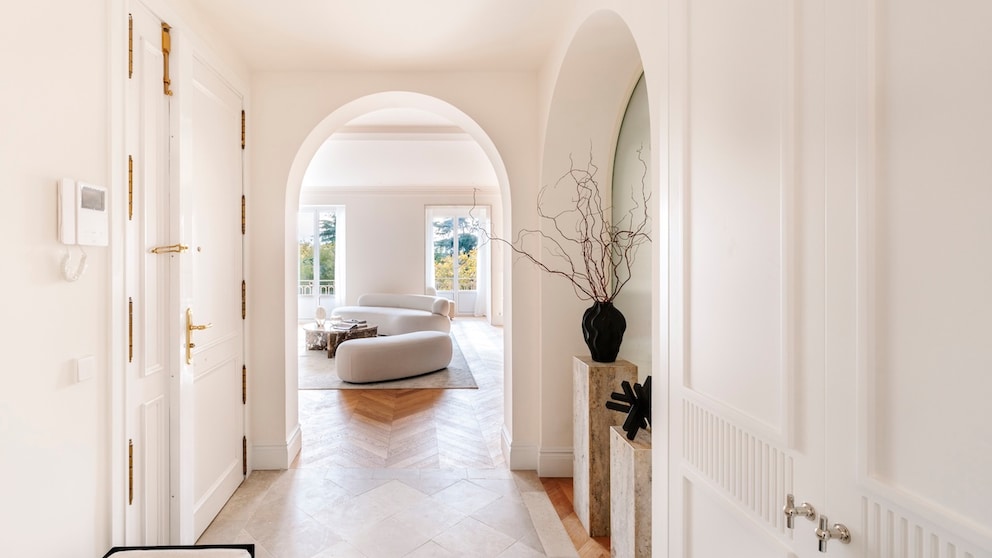
Interior designers view the entryway not as leftover space but as a transition between the outside world and the home. Before guests even see the living room, they notice the colors, lighting, scents, and order in the hallway. A bright, structured entryway automatically conveys a sense of calm and spaciousness. In contrast, a dark, cluttered hallway can make even a beautifully decorated home feel less harmonious.
It’s not about having a perfectly styled hallway. More important is a clear concept: Where will coats, shoes, and keys be stored? What materials and colors create a pleasant atmosphere? And which elements are used to make a statement?
Why the Hallway Is Often Harder to Furnish Than Other Rooms
Hallways are among the most challenging areas in many homes. They are often narrow, have little natural light, and must serve multiple functions. This creates a typical problem: Too much storage makes the room feel cramped, while too little storage leads to clutter. The key is to find practical solutions without visually overloading the hallway.
Narrow shoe cabinets, closed wardrobes, or custom-built units can help store as much as possible without making the entryway look chaotic.
Also interesting: 7 pieces of furniture for the hallway that create storage space
The Right Lighting Makes the Difference
Many hallways have a lighting problem. They are often interior spaces with little natural daylight. A single ceiling lamp is usually not enough. Multiple light sources create significantly more atmosphere. A combination of ceiling lights, wall lamps, or indirect lighting makes the entryway appear friendlier and prevents dark corners.
Strategically placed wall lamps or motion sensors can also enhance the hallway. They effectively highlight specific areas, such as pictures, consoles, or decorative accessories. Existing niches can be emphasized and turned into real eye-catchers. Motion sensors can also add extra convenience by automatically turning on the light when entering the hallway.
Color Can Transform Small Hallways
Especially in narrow hallways, color design plays a significant role. Light tones reflect light and make the space appear larger. However, this doesn’t mean small hallways must always be painted in shades of white. For a bolder look, the hallway can be kept entirely in one color. Depending on the shade, this can significantly change the room’s effect. Dark hues like blue, forest green, or anthracite give the entryway depth and a cozy, enveloping atmosphere, while warm earth and terracotta tones add coziness. Using the same color on walls, ceilings, and possibly even doors often makes the hallway feel calmer and more harmonious, as harsh contrasts are eliminated.

Tile Trends for 2026
How to Properly Combine the Trend Color Red in Your Home
The Floor Sets the Tone
The flooring in the hallway must withstand a lot: dirt, moisture, and daily wear and tear are common here. At the same time, the floor significantly influences the room’s effect.
Large-format tiles, calm wood looks, or durable natural materials often make small hallways appear more spacious because there are fewer joints or interruptions. A runner can add warmth and visually structure a long hallway. However, it’s important that it fits well with the room size and doesn’t become a tripping hazard.
The First Impression Begins Before the Front Door
The hallway is much more than a passageway. It determines how a home is perceived and conveys, even in the first few steps, the atmosphere one can expect.
By focusing on good lighting, sufficient storage, clear color design, and a few selected details in the hallway’s design, even a small or narrow hallway can become an inviting area. Often, the quality of living doesn’t start in the living room–but right where you come home.