


March 24, 2022, 4:12 pm | Read time: 3 minutes
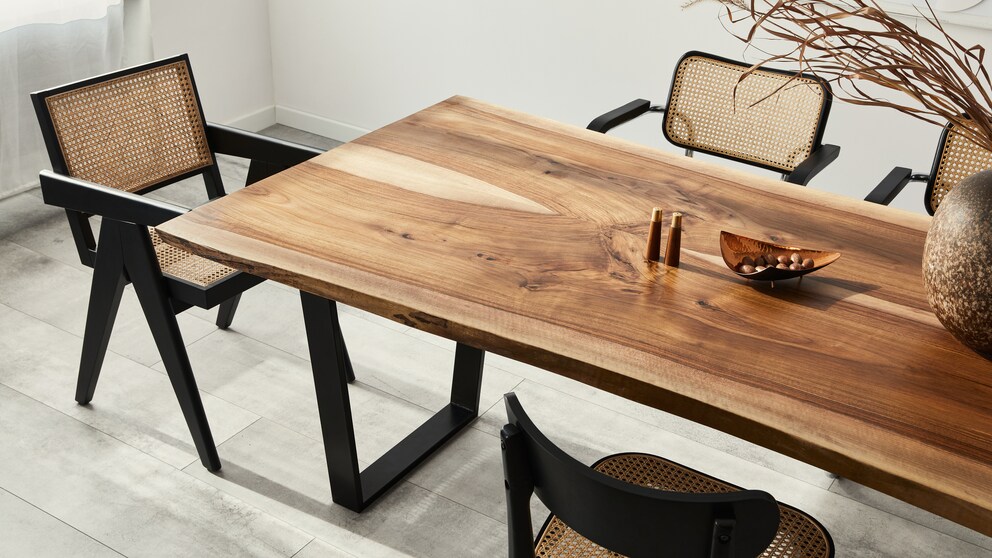
Have you ever heard of a Swiss edge? It’s a unique table edge profile. Learn what makes this edge special and discover other types of edges here.
The furniture market is seeing an increasing number of providers offering products tailored to individual customer preferences. If you opt for a custom-made table from a carpenter, it’s wise to know the types of table edges available and how they fit into a room. In addition to classic edges, unusual options like the so-called Swiss edge are also possible.
Swiss Edge
The Swiss edge is characterized by a table edge that initially runs straight and then gradually tapers downward. This unique profile is particularly worthwhile if a solid tabletop should not appear too bulky. The Swiss edge cleverly conceals the actual thickness of the tabletop, giving a dining table a certain lightness and elegance. The angle of the edge is not standardized and can vary depending on the manufacturer or carpenter, according to customer preferences.
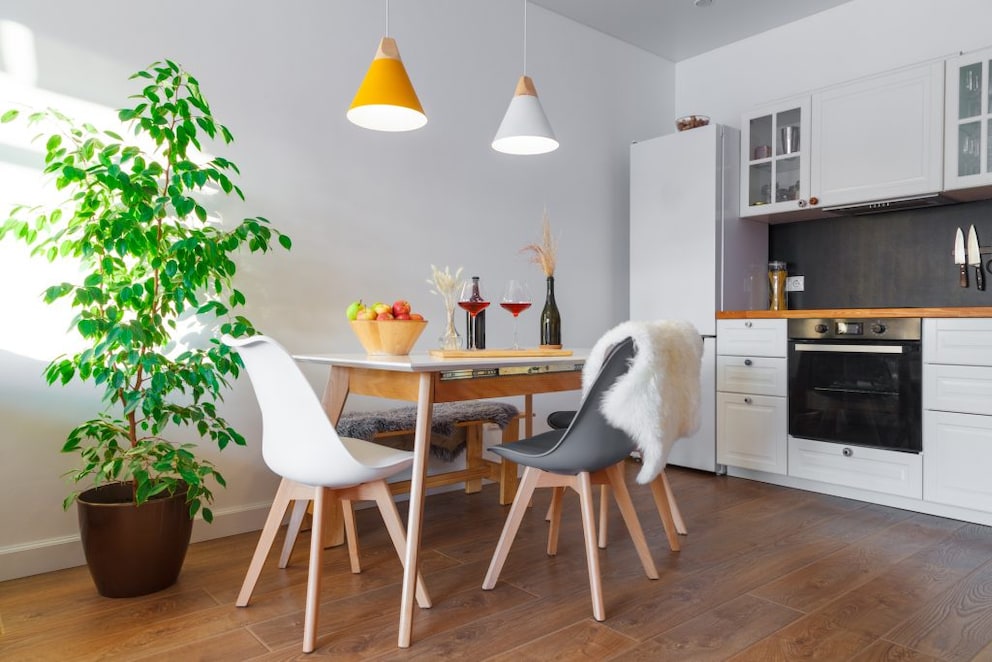
A Swiss edge does not suit every table shape. It requires a table with an overhang, where the legs are not located at the corners. Additionally, this type of edge can be completely or partially continuous–such as on a desk that requires a special finish.
Straight Edge
Classic, timeless, and elegant–most tables feature a straight edge. As the name suggests, this edge runs straight at a 90-degree angle to the floor. The only variation is the thickness of the tabletop. The thicker the tabletop, the fewer other massive furniture pieces should be in the room. Otherwise, the furniture loses its impact, and the room quickly feels cluttered.
Also interesting: How to Find the Right Chair for Your Dining Table
Rounded Edge
This type of table edge is distinctly rounded, with the curvature most pronounced in the middle of the profile. This edge type fits especially well in a room that has an organic and flowing feel, seamlessly integrating into the ambiance.
Beveled Edge
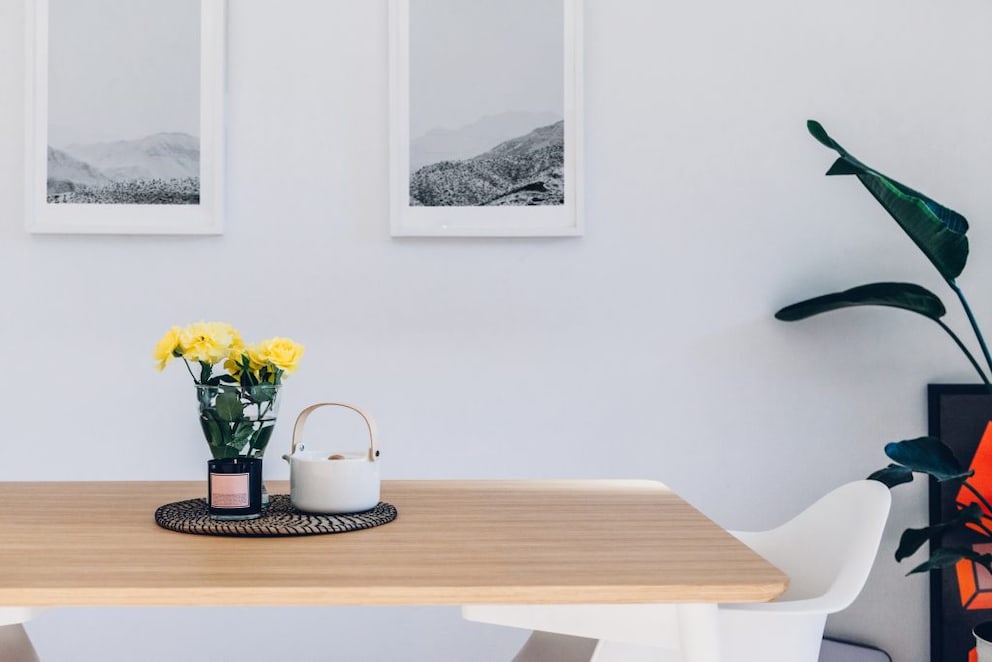
The beveled edge is somewhat a mix of the rounded and Swiss edges. Initially, the table edge also runs straight toward the floor, then curves toward the underside. This type of edge also gives a table a more elegant and smooth silhouette.
7 Ideas for Space-Saving Dining Areas in a Small Kitchen
The 10 Most Beautiful Dining Tables for Your Home
Angled Edge
The angled edge is also unique. It can slope from top to bottom or vice versa. The angle can be individually determined. Both variations represent a consistent form and line language that appears both original and iconic.
Live Edge
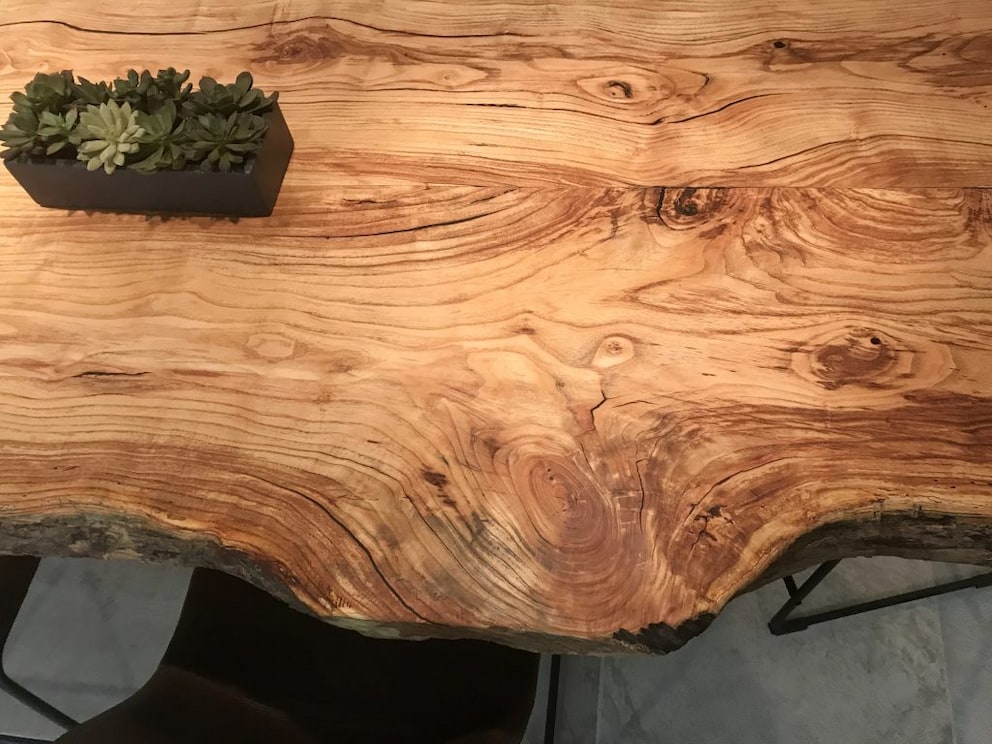
The live edge is currently in high demand. Because the course of this table edge is so unusual, idiosyncratic, and organic, it creates the impression of being a unique piece. However, most of these tables are industrially manufactured. Models with a genuine “forest edge,” grain, and knots are significantly more expensive. Undoubtedly, such solid wood tables are also a true rarity. Either way, a dining table with a live edge creates an exceptionally natural ambiance with a rustic touch, greatly enhancing the coziness factor.