


April 17, 2023, 12:46 pm | Read time: 3 minutes
In nearly every household today, you’ll find veneered furniture or interior fittings. But what exactly is veneer, what are its characteristics, and how is it made?
When buying furniture, you often encounter the term veneer. It looks beautiful, sometimes even deceptively like solid wood furniture. But what exactly is it? The history of veneer dates back to the time of the ancient Egyptians. Even then, furniture and objects were refined using a thin layer of wood.
However, veneer wood truly flourished in the 16th century, during the Renaissance. The veneer sheet was painstakingly extracted from a tree trunk by hand. As a result, this quality craftsmanship was affordable only to the wealthy at the time. Today, the situation is different, as veneer has evolved from a luxury product to a mass-market item. How this transformation occurred, what veneer is, and what makes it special can be read here.
What Is Veneer?
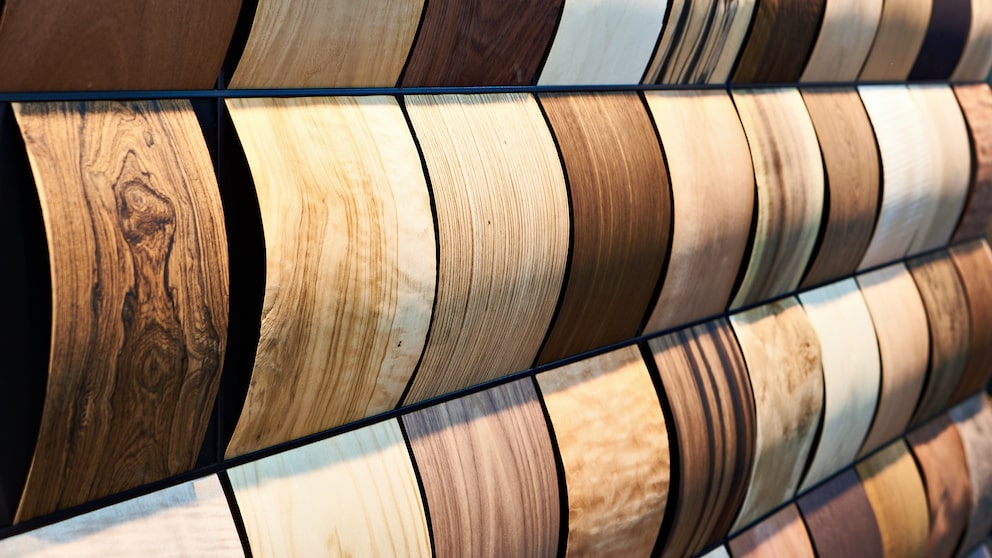
Strictly speaking, it is only considered veneer when a thin top layer of valuable wood is glued onto a piece of wood or wood-based material of significantly lower quality. If this is not the case, it is referred to as a decor. Because veneer is essentially the finest part of a tree trunk, it is often called the “filet of a tree.” Essentially, veneer is understood to be just the surface of wood, obtained through a special refining technique.
Also interesting: Do you know the differences between solid wood, real wood, and full wood?
What Is the Difference Between Veneer and Laminate?

What to Watch for When Buying Flea Market Furniture
How Is Veneer Made?
Despite its image as a mass-market product, real wood veneer remains a high-quality product. This is especially evident in the production of veneered furniture. With industrialization, the thin layers of trees are now rarely peeled or finely sawn by hand. Today, machine production dominates veneer manufacturing. However, the preliminary work is crucial: woods such as maple, birch, beech, oak, cherry, walnut, or wenge are carefully selected in advance for color and grain.
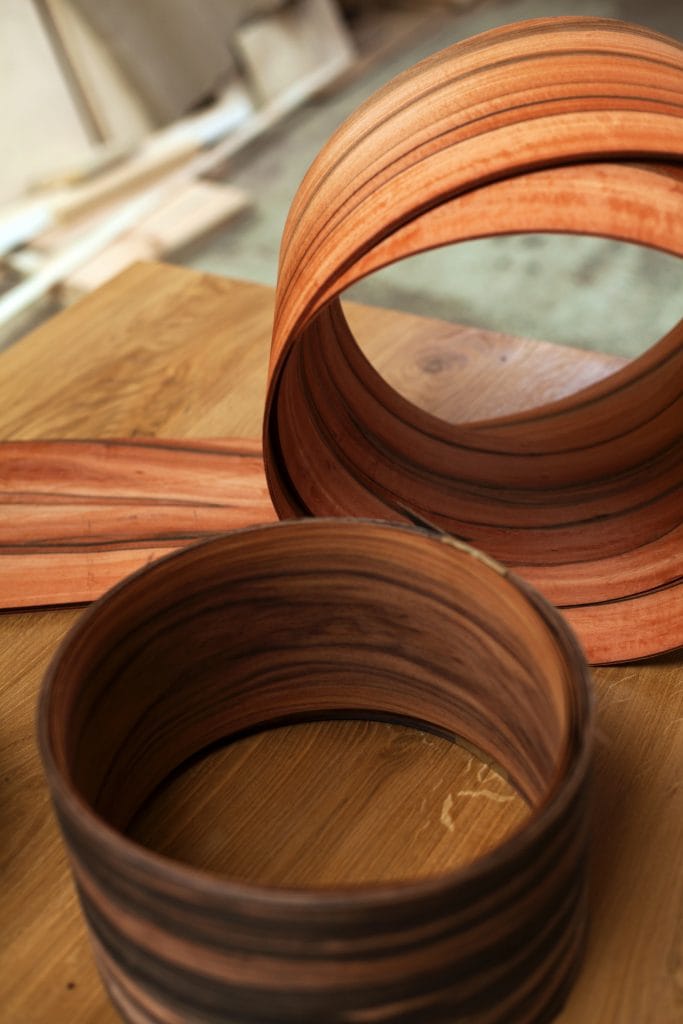
To produce real wood surfaces, processing is done using peeling or slicing machines. Typically, thicknesses between 0.5 and 6 mm are achieved. Additionally, different patterns, colors, and grains result from slicing or peeling, making veneers almost always unique. Overall, veneer wood goes through several processes, being not only sliced or peeled but also cooked, planed, dried, and sometimes even ironed.
Where Is Veneer Used?
After World War II, veneered furniture saw increasing demand. Not without reason: due to modernized processing techniques, the wood is extremely efficient, allowing thousands of veneers to be obtained from a single trunk. This was reflected in the price, making veneered furniture affordable for the general public.
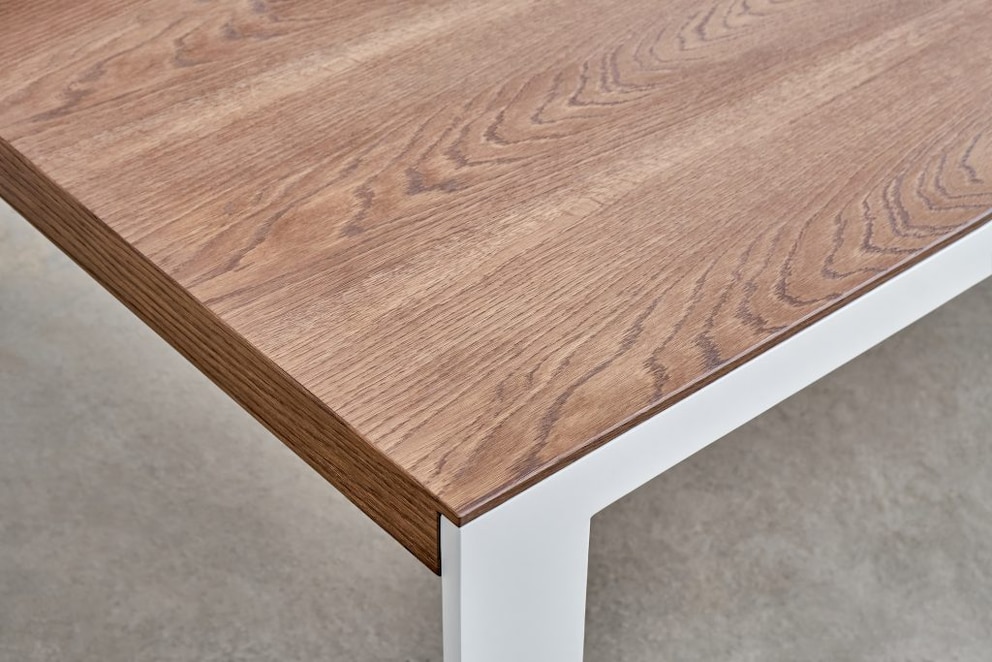
Veneers continue to enhance not only furniture but also doors, musical instruments, wall and ceiling panels, and interior fittings. Veneers are also used in parquet flooring. However, the boom in veneer is gradually waning, with inexpensive plastic laminate imitations, which also appear deceptively real, dominating the market. Due to this development, veneer could once again be on its way to becoming a luxury item in the future.