


November 14, 2025, 5:23 am | Read time: 6 minutes
A carpet is far more than just a decorative home accessory—it shapes the atmosphere of a room, creates coziness, and connects furniture, colors, and materials into a harmonious overall picture. But the selection is vast and includes different shapes, materials, colors, and styles. myHOMEBOOK editor and interior expert Mareike Schmidt reveals what to consider when buying a carpet.
Understanding the Room’s Impact
Before selecting a model, the question arises: What effect should the carpet have? A carpet is much more than just a floor covering. It can structure a room, visually elongate it, and calm the atmosphere.
In small rooms, carpets with light tones and subtle patterns are suitable to create a sense of space. Dark colors, on the other hand, feel cozy and ground large, open living areas.
Choosing the Right Size and Shape
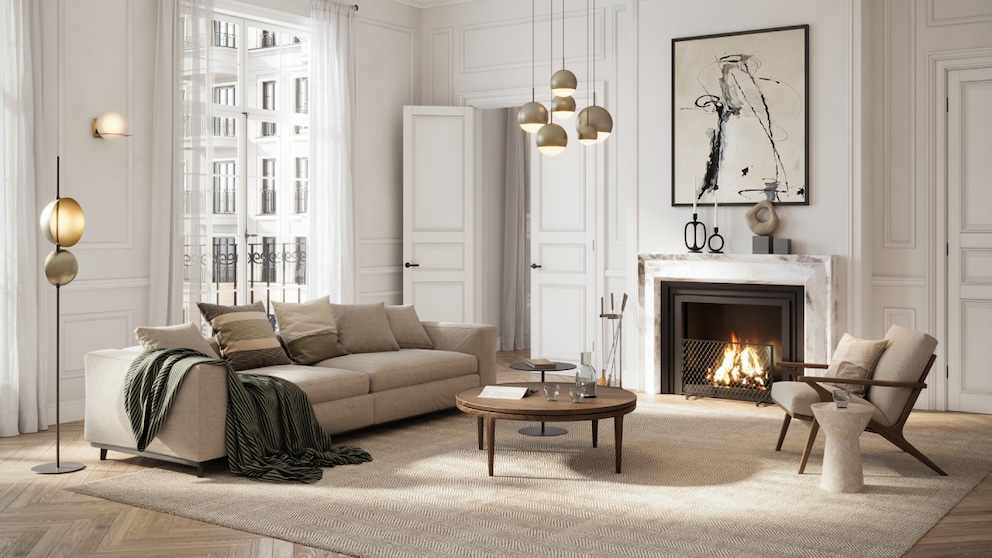
One of the most common mistakes when buying a carpet: It’s too small. A carpet should connect furniture groups—such as the sofa, coffee table, and armchairs—in the living room. As a rule of thumb, at least the front legs of the furniture should be on the carpet. In the dining area, the carpet can be generously sized so that the chairs remain on the carpet when pushed back.
Rectangular Carpet

Rectangular carpets are the most versatile carpet shapes and are suitable for almost any room. They appear orderly, classic, and help clearly structure zones. In the living room, a rectangular carpet fits perfectly under a seating group.
Organically Shaped Carpet
Organically shaped carpets are currently very popular because they bring naturalness, movement, and individuality into rooms. They look modern, creative, and intentionally break the strict geometry of rectangular furniture.
Round Carpet
Round carpets bring a soft, harmonious touch to the room and can visually open it up. They are particularly good for setting accents or breaking strict lines. Round carpets appear inviting, playful, and create a visual balance with the usually linear furniture.
Pay Attention to Material and Quality
When buying a carpet, special attention should be paid to the material and quality, as they determine not only the feel but also the durability and maintenance effort. Natural materials such as wool, cotton, jute, or sisal impress with their high-quality feel, environmental friendliness, and pleasant living atmosphere. Wool is considered a classic among carpet fibers—it is dirt-repellent, temperature-balancing, and provides a cozy, warm room climate. High-quality wool carpets can last many years, often even decades, with proper care.
Cotton is lighter and easier to care for, making it ideal for children’s rooms or hallways, as it is often machine washable and skin-friendly. Jute and sisal, made from robust plant fibers, bring a natural, rustic look to the room and are particularly suitable for living and dining areas. However, they should not be placed in damp rooms, as they are sensitive to moisture.
For families with children, pets, or allergy sufferers, carpets made from synthetic fibers such as polypropylene, polyester, or nylon are a good choice. These synthetic materials are easy to care for, durable, and retain their shape even under heavy use. Polypropylene is colorfast, easy to clean, and therefore ideal for heavily used living areas or hallways. Polyester impresses with its soft surface and wide range of designs, while nylon is particularly elastic and dimensionally stable, making the carpet long-lasting and robust. Additionally, many modern synthetic fibers are hypoallergenic and resistant to mites or moisture, making them a practical option for sensitive households.
Besides the material, the quality of the workmanship also plays a crucial role. A dense pile height and an even weave structure are signs of high-quality manufacturing. Hand-knotted or hand-tufted carpets are generally more durable and valuable than machine-made variants. The back should also be carefully processed. A good coating of latex or felt prevents slipping and ensures stability.
Use Colors and Patterns Strategically
A carpet can significantly influence the character of a room as a central design element. It’s not just about colors and patterns, but also about the effect the carpet has in conjunction with furniture, light, and materials. Therefore, one should be clear about how the carpet should appear in the room before purchasing.
If there are already many colors, textures, or patterns in the room, a simple carpet in neutral tones can be chosen to create balance. Solid-colored models in beige, gray, cream, or natural tones have a calming effect and allow other furnishing elements to stand out. Especially in small rooms, a light, subtle carpet ensures that the room appears larger and airier. In very colorful interiors, a solid-colored carpet can also serve as a connecting element that harmoniously brings together the different colors.
In modern and minimalist furnished rooms, a patterned carpet can create tension and personality. Graphic patterns, geometric shapes, or organic lines bring dynamics and depth into play without overloading the room. A patterned carpet is also excellent for visually highlighting a specific zone and giving it structure.
For those who like a cohesive overall picture, attention can be paid to ensuring that the carpet color is reflected in the room concept, such as in the curtains, cushions, blankets, or decorations. These fine color references create a cohesive overall picture that appears harmonious without being monotonous. The carpet color can also be used specifically to create a mood. Warm tones like terracotta, mustard yellow, or rust red create coziness, while cool colors like blue, gray, or sage green convey calm and clarity. Neutral colors like sand or cream appear timeless and elegant, are easy to combine, and fit almost any interior style.

How to Stylishly Incorporate Stripes in Your Decor
7 Unique Patterns to Know When Decorating
Test Feel and Practicality
Beauty alone is often not enough; a carpet must also feel good. When buying a carpet, it’s worth testing it: Does it feel soft or rather rough? Does it slip easily? Especially in heavily used areas like the hallway, entrance area, or under the dining table, the carpet should be easy to care for and robust. Here, short-pile or flat-woven carpets are advantageous, as they absorb less dirt, are easier to clean, and retain their shape even with frequent use.
What Matters
When buying a carpet, it’s about more than just color and shape. Size, material, and room impact play a crucial role. Those who consider all these points will find not only a carpet that fits the home but one that completes it.