


March 8, 2026, 11:24 am | Read time: 3 minutes
Colors are emotions. They determine atmosphere and mood, acting either liberating or embracing, conciliatory or oppressive. Colors give a room identity or take away its breath. They have more power than we believe. myHOMEBOOK reveals which tones will no longer have a place on the living room color palette for 2026.
Depth, warmth, and great emotions—the emotional forecast for the unbridled Year of the Fire Horse 2026 (according to the Chinese calendar) promises a return to the human core. Cool minimalism is out, as is the extravagant staging without any spark of personality. What matters in 2026 is that spaces can once again become comfort zones, mirrors of one’s own emotional world. They can overflow with emotions, but authentically and grounded. While this takes center stage, there are colors losing their place in the living room. Not because they are insignificant, but because they no longer meet our new longing.
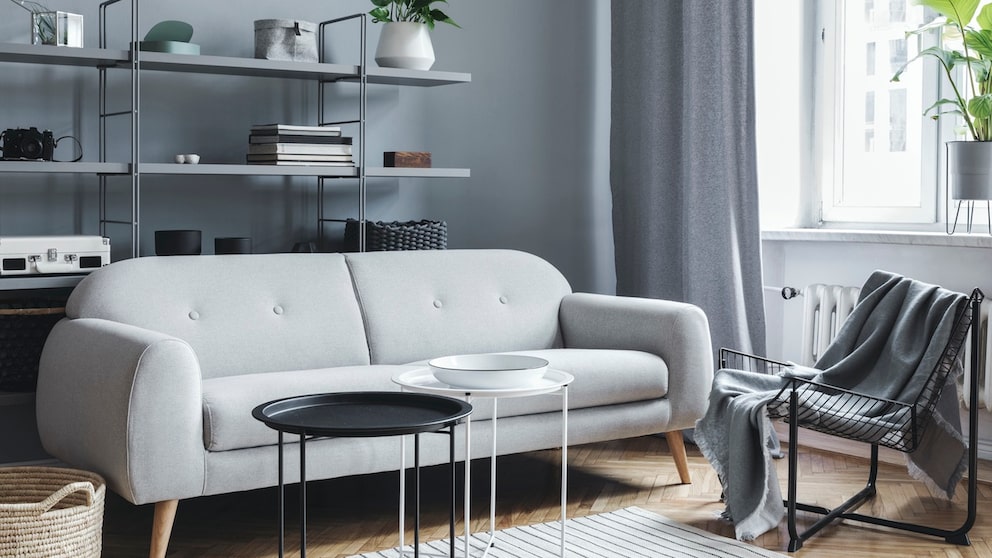
Cold Gray and Sterile White
Minimalist showroom designs are Instagrammable and awaken in us the desire for order, but by 2026, they will be finally outdated. What initially reminds one of a modern clinic cannot be particularly homey. Cold and sterile colors contradict the desire for a cozy environment. They create emotional distance and increasingly feel flat and impersonal. Better are tones that promise more warmth, like a gentle sand beige or a light butter lemon yellow. That warms the heart.
Vibrant Instagram Greens
Not only in cafes and restaurants did the matcha hype make a significant impression. The bright green color of the trendy drink quickly conquered interior design and adorned living room walls. On Instagram, it may have made a short-lived impression, but it is not truly enduring. The intense shades quickly become too much and exude something almost artificial. That is not authentic. What truly works are warm, muted natural tones. Biophilic designs create a cozy, grounded base and promote a relaxed atmosphere—whether it’s moss green, olive, terracotta, or macchiato brown.

Here Are the Christmas Decoration Trends for 2025
Goodbye Beige! Home Decor Is Finally Getting More Colorful
Bright Neon and Kitschy Pastels
Signal colors like neon yellow or pink are out for good. They simply do not fit the new longing for coziness and spaces as retreats. The extremely high saturation is stimulating, exciting, and intrusive, which contrasts with the desire for peace and comfort. The same goes for candy colors like pastel pink or pastel blue. What looks like it’s from a candy store cannot be sustainable. Better suited are dark and pointed shades that stand for depth. Plum or Bordeaux are sophisticated examples of how color can create impact without taking center stage. Similarly, a deep blue-green reminiscent of the ocean’s vastness works well. Those who don’t want to give up pastels should choose muted or washed-out tones, like dusty pink, butter lemon yellow, or light sage green.
What We Love in 2026 Instead of Banishing
In 2026, everything that follows short-lived trends is outdated, even if it looks nice on social media but offers no character. The living room colors of tomorrow focus on emotional impact and groundedness. Above all, organic shades, warm earth tones, and elegant accent colors endure and replace everything that is out.