

September 16, 2026, 9:14 am | Read time: 4 minutes
When buying furniture, the eye often decides first, and the upholstery fabric of a sofa or armchair is usually chosen for its appearance rather than practicality. This can quickly backfire: Velvet looks elegant but is delicate, and light natural fibers appear high-quality but show every stain. myHOMEBOOK reveals which fabrics are truly suitable for which furniture.
Follow myHOMEBOOK on WhatsApp now
What Really Matters in Upholstery Fabric
The durability of a fabric cannot be felt or guessed. The key factor is the so-called abrasion resistance, indicated in rubs or Martindale. In this test procedure, a fabric sample is rubbed against a reference fabric under load until the first signs of wear appear. The higher the determined value, the more resistant the fabric.
For frequently used upholstery like an everyday sofa, the fabric should have at least 15,000 Martindale. From about 25,000, a fabric is considered very robust. Besides abrasion resistance, factors such as pilling (formation of small knots), light and color fastness, and cleanability also play a role in practicality. A fabric can look appealing but still become unsightly in everyday use.
These Fabrics Are Considered Particularly Robust
Microfiber is among the most durable materials for sofas and other seating furniture. High-quality variants achieve Martindale values of 20,000 and more. They are also easy to care for and usually simple to clean. Other synthetic fibers like polyester also perform well in terms of robustness.
For those who prefer something particularly resistant, there are also covers made of faux leather, which are often even certified fireproof. Genuine leather is also very durable and easy to wipe clean, but it is usually more expensive to purchase and initially requires impregnation. Those who value natural fibers should opt for tightly woven, textured fabrics like corduroy or robust cotton blends. These tend to fail more quickly in abrasion resistance due to loosely woven, very soft natural fabrics.
Also interesting: With these home remedies, sofa cushions become clean again
Beautiful but Impractical: Think Twice About These Fabrics
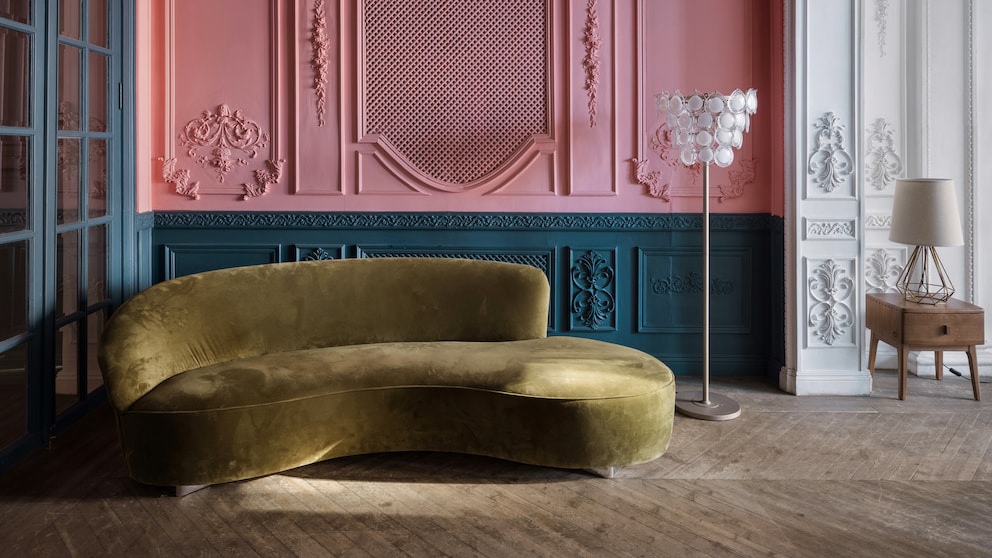
Some fabrics score visually but do not withstand everyday use well. Velvet looks elegant and high-quality but is sensitive to pet claws and quickly shows signs of use like pressure marks or wipe effects. The same goes for silk, which is one of the most delicate upholstery fabrics and unsuitable for heavily used seating furniture. Light, solid-colored natural fiber fabrics like untreated linen look good in the furniture store but quickly show stains and discolor from UV light in your own living room.
However, if you fall in love with such a fabric, you don’t have to ban it completely. It is more suitable for furniture pieces that are rarely used rather than for the daily sofa.
Also interesting: Bouclé: This fabric is a trend for upholstered furniture
Which Furniture Doesn’t Need Upholstery Fabric?
Not every piece of furniture needs a textile cover. Chairs and benches made of solid wood come without fabric and boast durability and easy maintenance. Furniture made of rattan or other wickerwork, as well as pieces made of plastic or metal, do not require upholstery fabric, are resistant to moisture, and are therefore particularly suitable for balconies, terraces, or gardens. For seating comfort without fabric, you can use loose cushions or pads on such furniture, which can be easily removed, washed, or replaced as needed.

What an Interior Expert Looks for When Buying a Sofa
5 tips for beautifying an old sofa
The Right Choice Depending on the Household
Those with children or pets should opt for particularly robust, easy-care fabrics. Smooth leather or microfiber are considered good choices here because they are easy to clean. In households with cats, it’s also worth looking at the fabric’s structure, as silk, velvet, and cotton usually don’t withstand claws for long, while tightly woven synthetic fibers are much more robust.
An additional simple trick: If you roughly match the fabric color to the pet’s fur, individual hairs are less noticeable. For furniture that is only occasionally used, such as an armchair in the reading corner or a decorative chair, a more delicate but visually beautiful fabric can be chosen.
Also interesting: How can you save a sagging sofa?
Don’t Forget Maintenance
No matter which fabric you ultimately choose, regular maintenance extends the life of any cover. Vacuuming removes crumbs and dust before they settle deep into the fibers, and stains should be treated as soon as possible. Before using any new cleaning product, it’s worth testing it on an inconspicuous area, as not every product is suitable for every material.