


July 4, 2026, 5:58 am | Read time: 4 minutes
Just a few years ago, the furnishing goal for many seemed clear: light oak, white walls, clean lines. The Scandinavian look dominated homes, Pinterest boards, and furniture stores. Now, the mood is shifting. Walnut dressers are sought after at flea markets, mid-century sideboards are being restored, and heirlooms are being brought up from the basement. myHOMEBOOK editor Mareike Schmidt explains where this change comes from and why dark wood furniture is back in vogue.
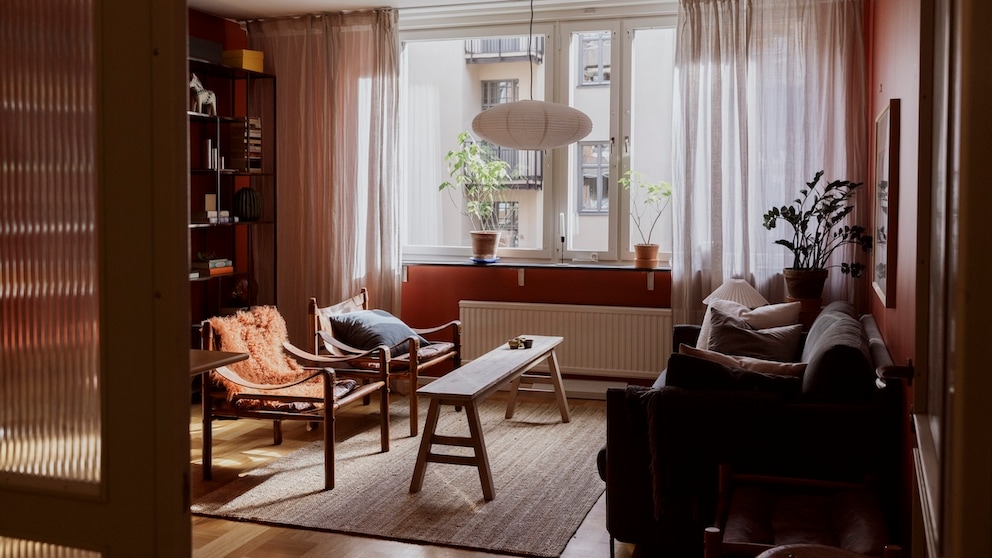
The long-standing trend toward light, minimalist furnishings had many advantages: rooms appeared larger, calmer, and tidier. But eventually, this aesthetic began to feel interchangeable for many. Dark wood, on the other hand, brings back something that many minimalist spaces lacked: depth. A sideboard made of walnut or mahogany immediately creates more contrast and presence than a light oak surface. The room doesn’t necessarily feel smaller, but it does feel significantly more characterful.
Vintage Is No Longer Just Sustainable
For a long time, vintage was primarily associated with sustainability. Today, another factor plays an equally important role: uniqueness.
Young buyers want to own furniture that doesn’t appear in thousands of homes simultaneously. A sideboard from the 1960s tells a story, has signs of use, and feels more individual than a brand-new trendy piece. Interestingly, even furniture that was once considered “too dark” is now being sought after. Walnut, teak, and rosewood are experiencing a real revival, not despite their distinctive appearance, but because of it.
The Longing for the “Old-Money” Atmosphere

One reason for the comeback of dark woods is the enormous popularity of the so-called “old-money” aesthetic. It’s less about actual wealth and more about a certain mood: classic elegance, muted colors, high-quality materials, and rooms that look as if they’ve evolved over decades.
Dark wood furniture plays a central role in this. It conveys permanence and seems less trend-dependent than many modern surfaces. A massive desk made of dark wood automatically exudes more tradition than a minimalist model made of light veneer.
Interestingly, many young people don’t copy this atmosphere one-to-one. They combine it with modern artworks, clear lighting, or even industrial elements. This doesn’t create a historical look, but a contemporary interpretation of classic elegance.
Heirlooms Re-Evaluated
In the past, the heavy dresser from grandparents often ended up in the basement. Today, it’s restored, oiled, and made the centerpiece of the living room. This re-evaluation of heirlooms says a lot about the current zeitgeist. In a world where new trends constantly emerge, things that already have a history gain significance. An inherited cabinet feels more personal than any newly purchased dresser.
At the same time, this creates an interesting style break: the old display cabinet suddenly stands in a modern apartment with contemporary art and minimalist lighting. It’s precisely this contrast that creates the appeal.

This Home Accessory Makes Rooms Brighter and More Open

Designer reveals the interior trends for 2025
Dark Wood No Longer Requires a Complete Old-building Library
Many people still hesitate because they fear dark furniture will automatically make a room feel heavy. In reality, it depends mainly on the combination today.
A single dark sideboard can act as a deliberately placed accent in a bright room. Combined with warm lighting, natural textiles, and some open space, it creates an elegant rather than a dark impression. The new generation of dark wood furniture thrives not on overload but on deliberate contrasts.
Perhaps We’re Looking for Rooms With History Again
In the end, the comeback of dark wood furniture probably says more about our desires than about the furniture itself. After years of rapidly changing trends, the desire for permanence, character, and individuality is growing.
Light, Scandinavian-inspired furnishings stand for lightness and reduction. Dark wood furniture, on the other hand, speaks of permanence, patina, and personality. And perhaps that’s exactly why they suddenly seem so modern again: They don’t look like they were bought just for the next trend season. Sometimes the new modern is what was already there—just viewed from a different perspective.