


November 5, 2025, 2:07 pm | Read time: 4 minutes
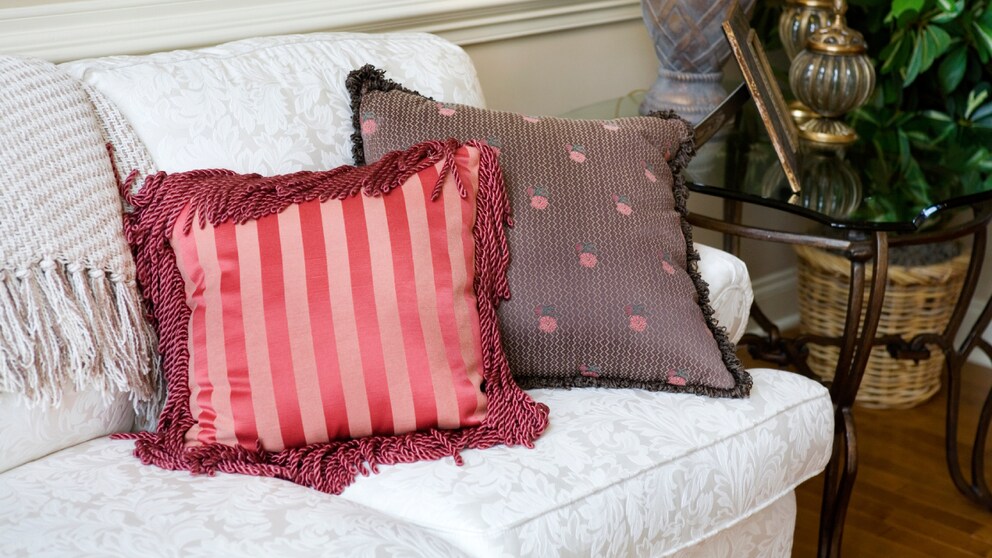
Fringes are no longer a dusty relic of the past. They are currently making a glamorous comeback in fashion and interior design in a surprisingly modern way. They have left behind the hippie Boho narrative and now appear much more refined, elegant, and glamorous.
There are things that used to exist in almost every household: The large transparent Aspen glass bowl with a leaf pattern, for example, is likely familiar to many, just like the legendary wooden coffee table with a yellowed tile top. Thinking back to the period between the 1960s and 1990s, you’ll find that velvet upholstered furniture, enhanced with fringe and tassels, was among the design pieces of the time. Today, these vintage items are more sought after than ever, as fringes are experiencing their second spring.
The Return of Fringes
Why do they regularly find their way back into trends? One reason might be the unique combination of texture and dynamism. In times when interior design is mainly characterized by smooth and minimalist surfaces, fringes introduce a dynamic, tactile element. They skillfully break the rigidity and give furniture a lively, organic quality. Therefore, they unfold their full effect, especially in minimalist settings. Additionally, they draw attention to details and bring craftsmanship back into focus. Many designers are increasingly turning to handcrafted decorative elements—a clear statement for conscious living.
Nostalgic Reasons
American interior designer Madelynn Hudson recognized the special power of fringes as early as 2024. As seen in one of her Instagram posts, she decorated her own living room couch with a decorative trim of golden fringes. She also suggested to Architectural Digest that the return of fringes might have nostalgic reasons and be linked to the comeback of Art Deco. This is by no means just an arbitrary fashion trend, but a deliberately used, balanced it-piece with a comfort factor.

How Fringes Are Used Today

While fringes were once mainly designed in drab brown tones, designers today are bolder. The stylistic range extends from playful versions in pastel shades to elegant variants made of dark velvet and organic options from black leather or natural linen. Almost every interior style can be perfected with consciously used fringes. The flying details become an attractive eye-catcher when the rest of the interior follows a calmer note. Then they can be the deliberate counterbalance to clear lines and smooth surfaces.
Additionally, one should ensure that only individual pieces are adorned with fringes to prevent the room from appearing too cluttered. Particularly elegant are those kept tone-on-tone. They add movement to the same-colored piece of furniture while deliberately holding back. Yet, thanks to their help, a simple armchair can instantly become a designer piece.
Fringes are making a comeback in various style worlds—from minimalist lofts to elegant boudoirs.
Eclectic Glam
In noble houses and castles, it was understood centuries ago how to create a sense of glamour through heavy fabrics and dark, warm colors. Modern designs often draw on this old knowledge. In addition to velvet and corduroy fabrics, colors like Bordeaux red, emerald green, and mustard yellow are all the rage. Those who complement eye-catching furniture pieces in this combination with a golden fringe trim set elegant accents. Brass or chrome decorative items go well with this.

How to Stylishly Incorporate Stripes in Your Decor

Christmas Tree Decoration Trends for 2025
Urban Relax
Fringes appear less heavy when used in a light, calm interior design. Industrially designed spaces, for example, feel more homely when complemented with organic fringes. Modern lounge chairs or poufs with a shaggy trim of linen or leather can then bring in the cozy aspect and become a trendy eye-catcher.
Maximalism Is Back
No matter which variant you choose: Fringes have skillfully shed their dusty image and now present themselves as more sensual and individual than they did decades ago. They bring charm and movement back into interiors and set modern or luxurious accents.