


November 3, 2025, 4:59 am | Read time: 5 minutes
For a long time, mosaics had to settle for a rather dusty, old-fashioned image. Now, the intricate tile art is experiencing a renaissance. But why is this craft suddenly so popular again, and how can the trend be implemented at home?
Mosaic Masterpiece in New York
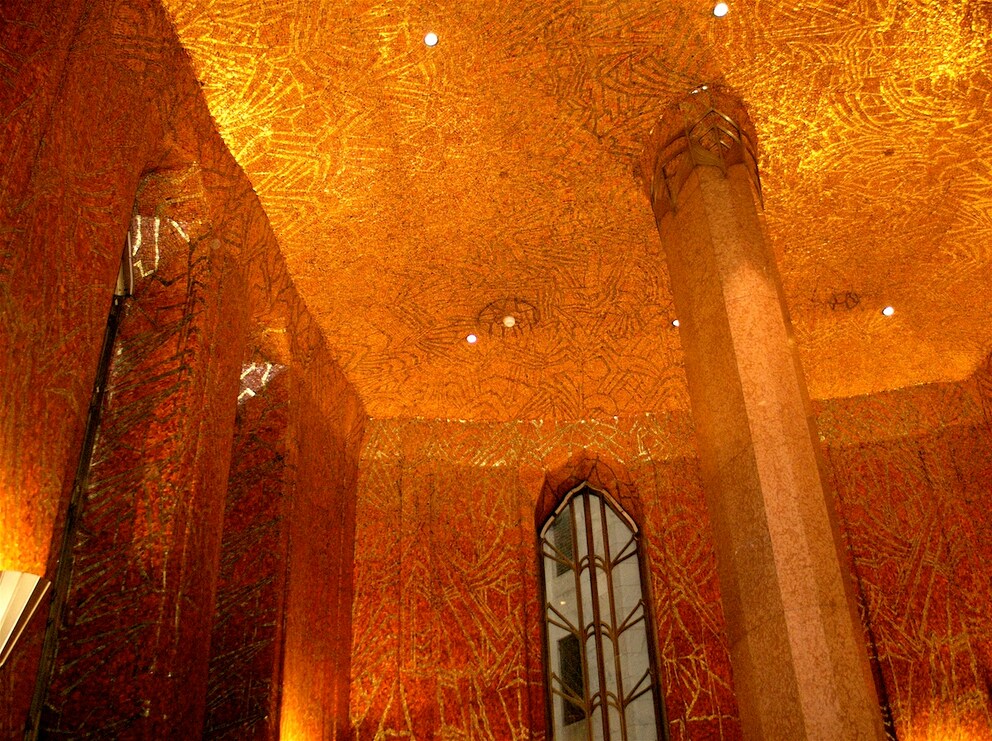
No one knows for sure, but it’s estimated that about 3.2 million red and gold mosaic tiles were laid in the Red Room at 1 Wall Street in Lower Manhattan, New York. The stunning Art Deco-style room has existed since 1931, but it has been restored multiple times and was finally reopened in early 2025 as part of the first U.S. branch of the French luxury retailer Printemps. The elegant and colorful wall artwork has remained from the beginning, proving that mosaics are making a comeback.
The mind behind the reopening of the 1 Wall Street building is interior designer Laura Gonzalez. The French designer recognized early on the value of intricate patterns and how much the craft can touch and inspire dreams. Another of her projects is the Casa Monti Hotel in Rome, where mosaics also play a significant role, used subtly yet decisively, such as in a romantic scene artwork in the rooftop bar.
Why Mosaics Are Experiencing a Boom
When you look at the latest in interior design, mosaics keep appearing. And there seem to be compelling reasons for this. The saying that every trend eventually experiences a second youth doesn’t quite capture it. It’s more about a mix of nostalgia and appreciation for craftsmanship. Francis Sultana, an interior designer and furniture designer from London, once aptly put it: “Mosaics are more than decoration; they can be handcrafted and still be art.”
The tradition behind mosaics is millennia-old; even in ancient times, baths were lined with them. So, anyone who uses mosaics in their interior design automatically brings a piece of cultural history and the flair of the past into the room.
Moreover, mosaics shine with their design versatility: bold patterns are just as possible as delicate color gradients or lively scenes. Rooms can be designed to be more emotional, romantic, and individual. While the past decade leaned towards a quieter, minimalist approach (remember the all-beige-everything trend), many have been craving more structure, color, warmth, and especially the unique, crafted look since the COVID-19 pandemic. Mosaics are the perfect choice. The surfaces are handmade, detailed, and artistically thought out. They exude personality and individuality and can be color-adjusted according to preferences. Those who set targeted accents create a truly special eye-catcher.

What Makes Italian Interior Design So Special

How to Stylishly Incorporate Stripes in Your Decor
How to Bring Mosaics Home
Mosaics add character to any room, whether as a large-scale design element or a loving detail. The artistic tiles bring color, structure, and individuality into the home and can be used in a variety of ways.
Floors or Walls

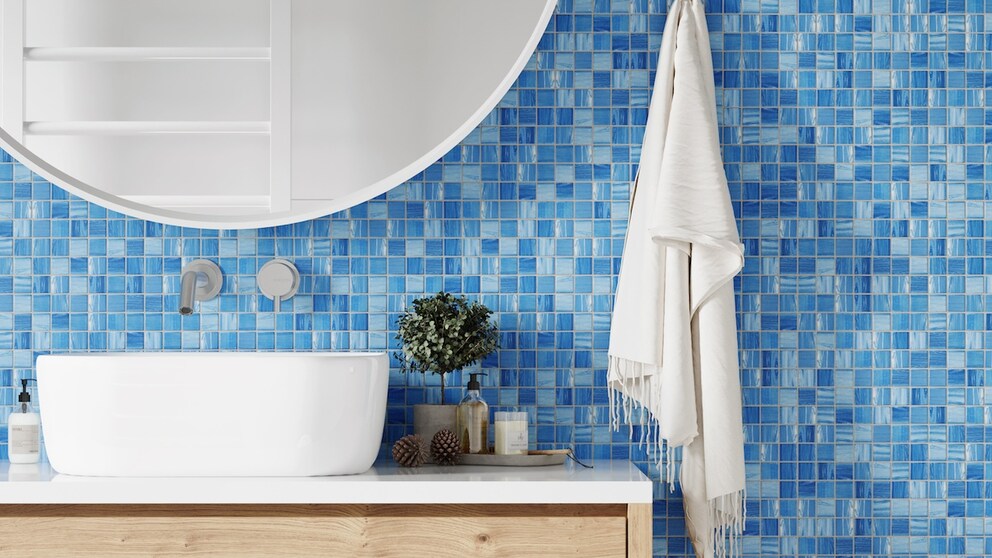
If you want mosaics at home, it’s most obvious to design walls or floors with them. This is ideal in rooms like kitchens or bathrooms, where waterproof materials are advantageous. A mosaic shower back wall, in particular, can create an elegant spa feeling. Used as a backsplash in the kitchen, it not only protects against water and grease splashes but also gives the cooking area a particularly interesting touch.
For a more subtle approach, you can frame mirrors or windows with a narrow strip of mosaic. It becomes more romantically opulent when you create entire accent walls, for example, in living rooms.
Decoration
Often, it’s wiser to stay structurally neutral to more easily adapt to changes in taste. In that case, it’s a good idea to bring mosaics into your home in the form of decorative items or furniture. Side tables, for example, can be easily covered with a layer of small tiles on the top. In no time, a mass-produced item becomes a designer piece. Hanging shelves can also be covered with mosaics, suddenly becoming a real eye-catcher.
Tip: Open cabinets are the perfect place to use mosaics subtly yet effectively. Remove the movable, thin back panel and cover it with a mosaic pattern of your choice. The homemade artwork subtly shines through, piquing curiosity.
Two Famous Types of Mosaics
Mosaics are not all the same—depending on their origin and tradition, the technique, material, and expression vary significantly. Particularly famous are the playful, colorful Catalan style and the elegant, precise Florentine style.
Catalan Style
In Spain, mosaics are made less from uniformly sized tiles and more from fragments of varying sizes and shapes. This creates a modern, almost abstract look. The Catalan style is particularly recognizable in the 110-meter-long mosaic serpent bench in Park Güell in Barcelona, designed by architect Antoni Gaudí.
Florentine Style
In the Italian city of Florence, tile art has always been appreciated. The city is famous for its centuries-old mosaic artworks in historic churches, palaces, and furniture, based on floral and naturalistic patterns and tendrils. The Pietra Dura technique was mostly used, where fine stone tiles were laid and combined with glass, ceramics, and marble.