


July 18, 2026, 7:14 am | Read time: 4 minutes
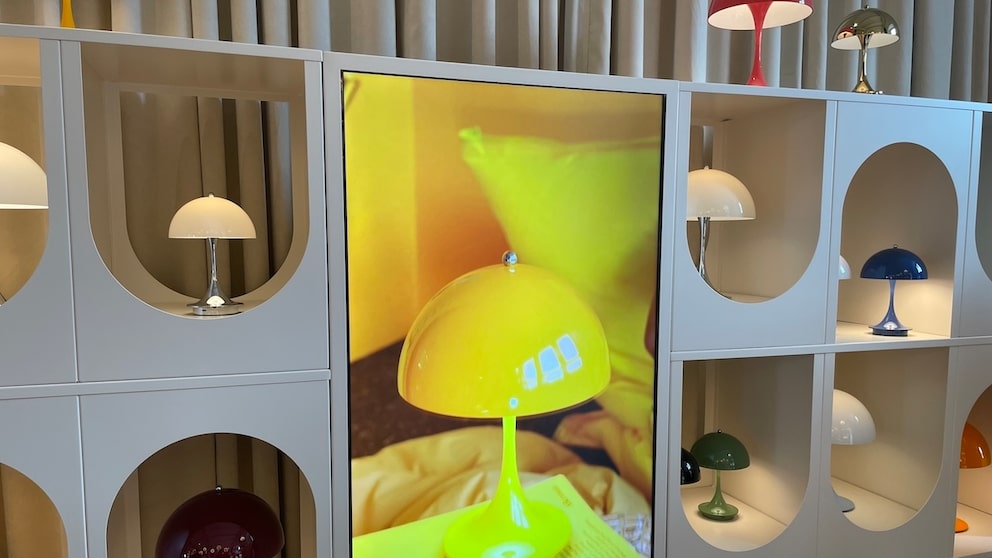
Some furniture and lighting come, stay for a few years, and then disappear. Others endure for decades because they can adapt at any time without changing themselves. The Panthella by Louis Poulsen is one of these designs. Since its introduction in the early 1970s, it has held a firm place in the design world. Whether in Scandinavian homes, modern city houses, or boutique hotels—its characteristic silhouette looks as natural today as it did over 50 years ago.
The secret to its success lies not only in its extraordinary form. The Panthella combines sculptural design, thoughtful function, and a lighting effect that makes spaces appear particularly soft and homely—qualities that have made it one of the most famous lamps of the 20th century.
When Light and Design Became One
The Panthella was designed in 1971 by Danish designer Verner Panton in collaboration with lighting manufacturer Louis Poulsen. Panton was considered one of the most experimental designers of his generation. While many of his Scandinavian contemporaries focused on straight lines and restrained materials, he loved organic contours, bold colors, and futuristic ideas.
With the Panthella, he pursued an unusual approach: The lamp should not only provide light but also appear as a harmonious object itself. Therefore, Panton dispensed with a classic straight lamp base. Instead, he designed a softly curved form that visually supports the hemispherical shade and is simultaneously part of the lighting concept.
Why the Panthella Produces Such Pleasant Light

Many iconic lamps are primarily visually appealing. The Panthella, however, owes its reputation equally to its light quality. The large, hemispherical shade gently directs the light downward, while the wide, curved base reflects part of it. This allows the light to distribute evenly throughout the room without glare or harsh shadows.
This soft lighting atmosphere is precisely what makes the Panthella so popular to this day. It is less suitable as a functional work lamp and more as mood lighting—on a sideboard, nightstand, or as a focal point in the living room.
A Design That Outlasts Trends
The fact that the Panthella is considered a design classic today is not just due to its age. Truly timeless designs are recognized by the fact that they still seem natural decades after their creation. This is exactly what this lamp achieves.
Its organic form fits effortlessly with a variety of interior styles. It complements minimalist interiors as well as mid-century furnishings, adds a soft accent among straight-lined furniture, or blends into colorful living concepts. At the same time, it has enough character to become a focal point itself.
Additionally, the Panthella has never been fundamentally changed. Instead of constantly reinterpreting the design, Louis Poulsen has carefully developed the original design and adapted it to modern needs. This continuity contributes to the lamp’s continued relevance today.
Recreate a Designer Lamp in 4 Easy Steps

“I Attended an Interior Design Festival for the First Time–Here’s What It Was Like”
From Design Icon to an Entire Lighting Family
For a long time, the classic table lamp was almost synonymous with the name Panthella. However, the collection now includes several variants for different living situations.
The original is still available as a table lamp and is considered by many design enthusiasts to be the most authentic version. It is complemented by an elegant floor lamp that adopts the same characteristic design language.
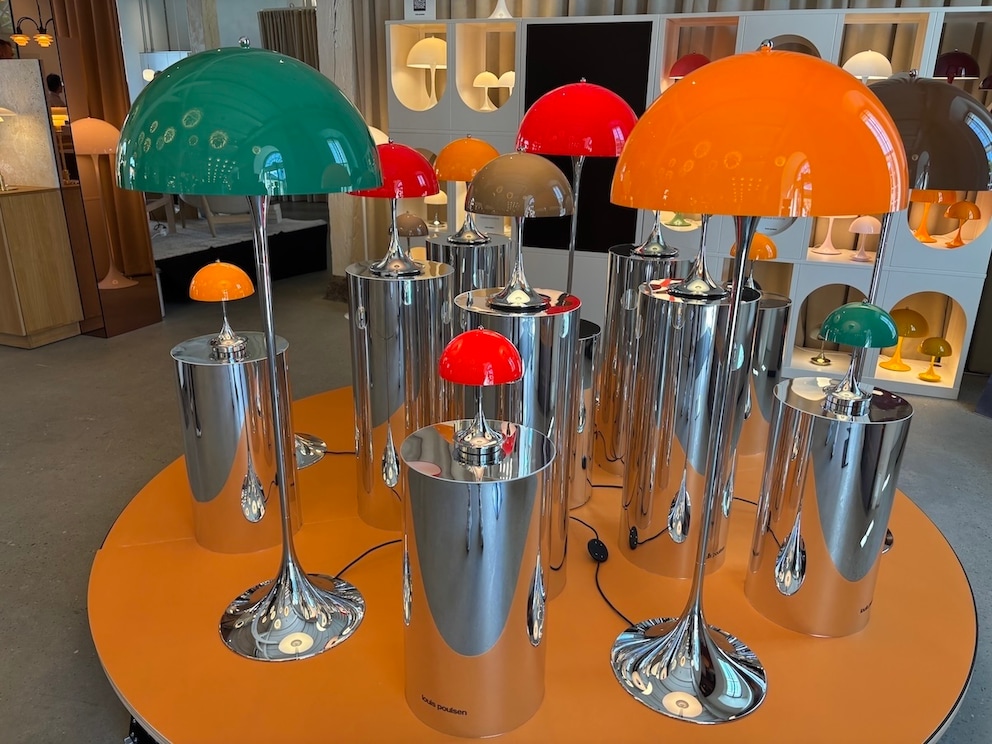
With the Panthella Portable, the collection was finally expanded to include a cordless version. Thanks to its battery and dimming function, the design classic can now be used flexibly throughout the living area or even in protected outdoor spaces—an example of how timeless design can also accommodate modern living habits.
In addition to the different sizes, the Panthella has also evolved in terms of color. While the original was mainly available in subtle tones like white, the collection now includes a variety of color options: from soft pastels to bold statement colors. This demonstrates that a design classic can indeed evolve without losing its character.
More Than Just a Beautiful Lamp
It is precisely this interplay of consistency and change that has kept the Panthella relevant for more than five decades. Its form has remained unmistakable, but its impact reinvents itself through new materials, colors, and use in various living concepts. Perhaps this is exactly why the Panthella appears as current today as it did in 1971. And that is why it is one of those lamps that you don’t just buy, but keep for many years.