


February 20, 2025, 2:12 pm | Read time: 3 minutes
Simply turning up the thermostat will not warm up a room faster–this assumption is actually incorrect! The thermostat setting indicates the temperature the room should reach. However, there are other methods to warm up a room more quickly.
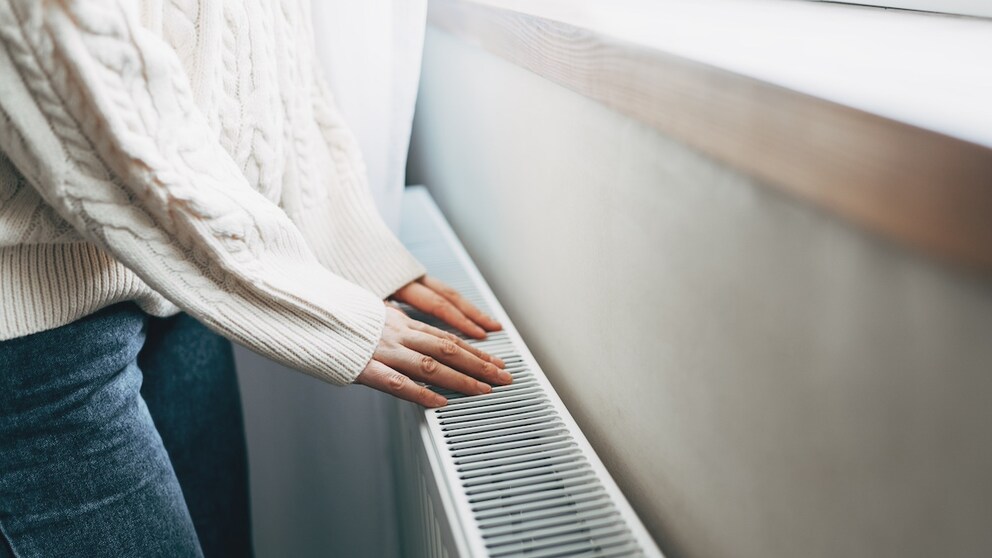
When no one is home, some people choose not to heat their homes to save energy and money. However, it’s important to ensure that rooms never cool down completely. This not only promotes mold growth but also requires more energy to reheat. Upon returning home, you want it to be cozy and warm quickly. With a few clever tricks, this process can be faster than expected. myHOMEBOOK offers tips on how to heat a room quickly.
1. Close doors
There’s a misconception that warmth must spread throughout the entire home for it to be warm everywhere, leading many to leave doors open. However, this makes little sense for two reasons. First, not all rooms need to be heated. Bathrooms, kitchens, and bedrooms are typically used less during the day and don’t need heating. Additionally, a room heats up much faster when the door is closed. Closing the door can already save on heating costs.
Also interesting: 6 common heating mistakes that can be very costly
2. Bleed the radiator
The more air that accumulates in the radiator, the more energy and time it takes to heat up. Therefore, it’s important to regularly bleed the radiator. This not only saves energy and money but also eliminates annoying noises in the radiator.
3. Avoid drafts
If windows and doors are not properly insulated, drafts can occur. These are not only bad for health in the long run but also prevent a room from heating up quickly. It’s important to find potential sources of drafts and fix them. For example, you can equip drafty windows with sealing tape.
4. Do not cover radiators
If you have a sofa in front of the radiator, consider rearranging the furniture. Furniture or curtains can prevent air from circulating well, resulting in the warm air from the radiator not distributing effectively in the room.
5. Insulate windows
Touching a windowpane in winter quickly reveals how cold it is. To heat a room faster, you can help by insulating the windows. Don’t worry, you don’t need to install new windows or improve them. Thick curtains in front of the windowpane serve as thermal insulation. Insulating film on the windows can also be very helpful.
Also interesting: Can a tealight heater really heat an entire room?
13 Simple Tips to Save on Heating Costs at Home

What Time of Day You Should Ventilate in Spring
6. Carpet insulates the floor
Similar to windows, you can also insulate the floor with thick fabrics. This way, less heat is lost through the floor–it’s also pleasant for your feet.
7. Proper ventilation is key
Despite the heating period, you shouldn’t skip ventilation. It’s important to do it correctly to not only exchange the air but also to prevent heat from escaping through the window. In winter, shock or cross ventilation is recommended. This allows for quick air exchange without cooling down the rooms. Tilted windows, on the other hand, waste energy, increasing heating costs, and the room air is only slowly exchanged.

Extra tip from the myHOMEBOOK editorial team
“Especially in older buildings, so-called reflective foil can positively affect the room temperature. It is placed behind the radiator and reflects the heat. A small measure that you can implement yourself. In new buildings, however, it usually doesn’t help, as the buildings are already well insulated.”