

October 16, 2026, 10:16 am | Read time: 5 minutes
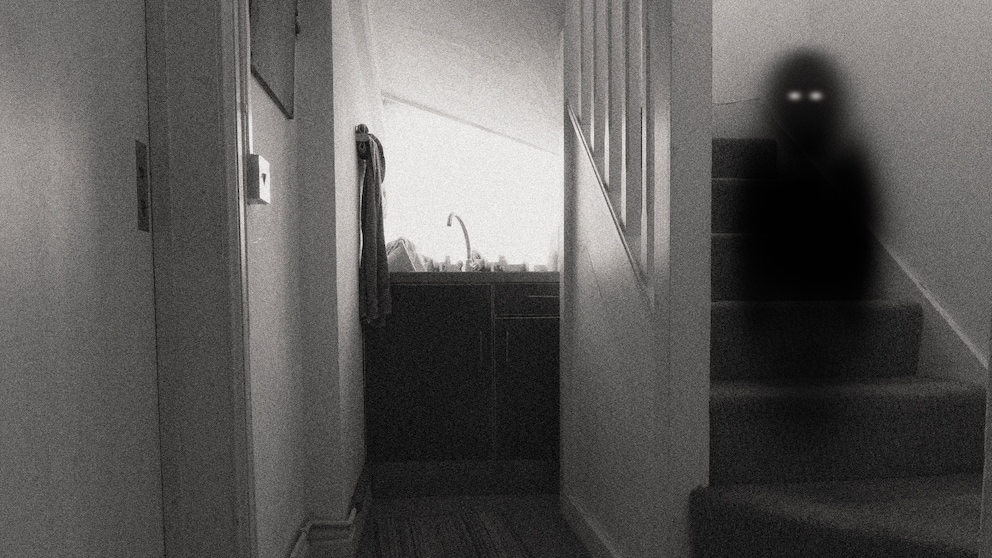
The Halloween season has begun, bringing with it all sorts of spooky happenings. Whether you believe in ghosts is up to you. However, it becomes interesting when a tenant is genuinely convinced that their apartment is haunted. Can something supernatural in your own home lead to reduced rent? myHOMEBOOK asked attorney Nicole Mutschke.
Follow myHOMEBOOK on WhatsApp now
Is Alleged Haunting Enough for a Rent Reduction?
Hearing footsteps at night when no one is there or experiencing other unexplained occurrences can certainly make one feel uneasy in their home. However, this feeling alone is not enough for a rent reduction. “The prerequisite for a rent reduction is generally that the contractual use of the apartment is actually impaired by a defect,” explains attorney Nicole Mutschke. Therefore, the mere feeling that the apartment is haunted is not sufficient.
What matters is not whether a tenant suspects a ghost behind the occurrences, but whether the apartment is actually impaired. And behind seemingly paranormal phenomena, there can ultimately be very real problems.
When the “Ghost” Is Actually a Rental Defect
If, for example, there are constant clattering and cracking noises from the heating system, doors close by themselves, or lights flicker regularly, the situation is different. Technical or structural causes may be behind these issues. Nicole Mutschke cites significant noises from the heating system, drafts, defective doors, and electrical problems as examples. If such problems disrupt living conditions, a normal rental defect often exists.
Whether a rent reduction is actually justified and how much it might be cannot be determined across the board. According to Mutschke, it depends on how significant the specific impairment is and how frequently it occurs.
Also interesting: When the view from the window becomes a point of contention
Tenants Must Be Able to Prove the Eerie Occurrences
Being personally convinced of strange occurrences is not enough legally. “The tenant’s subjective feeling alone is not sufficient,” emphasizes the attorney. For example, if you repeatedly hear unexplained noises, you should document the occurrences as precisely as possible. According to the attorney, a noise log can be kept for this purpose. It should record what happens, when the impairment occurs, how often it happens, and how long it lasts. Witnesses can also be helpful. Because if it comes to a dispute, the tenant must not only describe the impairment but also be able to prove it.
This can be particularly relevant if more than one person notices the supposedly inexplicable phenomena. If several residents have independently perceived the same noises or occurrences, they can serve as witnesses in a legal dispute and confirm the statements, according to Mutschke.
Does the Landlord Have to Disclose a Death in the Apartment?
Sometimes the uneasy feeling only begins after a tenant learns about the history of their apartment. Perhaps someone died there or even a crime occurred. Does a landlord have to inform about this before signing the lease? “Not generally,” says Mutschke. A landlord is not required to disclose the entire history of an apartment to prospective tenants without being asked. This generally also applies to a previous death or crime.
How far this can go is shown by a curious case dealt with by the Munich District Court. Tenants only learned after taking possession of a semi-detached house that nearly two years earlier, a man had killed his wife with a hammer there. They then contested their lease and terminated it without notice. However, the court did not accept either action. The history was not considered a “material characteristic” of the rental property, meaning it was not a decisive feature that would affect the contract. The attorney also points out that the history alone does not generally constitute a rental defect. A previous death or crime does not automatically impair the usability of the apartment.
There is, however, a limit: If a prospective tenant explicitly asks about a specific history, the landlord must not knowingly provide false information.

When Can a Landlord Withhold a Security Deposit–and When Not?

Can Tenants Simply Swap Apartments?
It’s Different with Concrete Consequences
The past of an apartment becomes legally relevant only if there are still concrete defects from a previous event. Attorney Nicole Mutschke cites odors, contamination, or damage as examples. In this case, however, the eerie history itself would not be the problem. What would be decisive are the actual defects present and their impact on the use of the apartment. This is ultimately the crucial difference with the alleged haunting. Legally relevant is not the ghost, but a verifiable impairment of the apartment.
Also interesting: Why do people put pumpkins outside their doors for Halloween?
Has There Been a “Ghost Trial” in Germany?
An actual German court ruling on whether a ghost haunting in a rental apartment constitutes a rental defect is not known to the attorney. However, there was an unusual legal dispute involving an alleged ghost before the Itzehoe Regional Court. It did not concern an apartment but a commercial lease. During an esoteric session, it was allegedly claimed that the spirit of the lessor’s deceased mother had communicated that her son had killed her and then set the house on fire.
According to Mutschke’s account, the court described the incident as a “horror story.” However, the decisive factor was not whether ghosts exist. The serious accusations against the lessor had, in the court’s view, significantly damaged his honor. Because the lessee’s side was involved in spreading the story, the court considered this such a significant breach of duty that immediate termination was justified.
For tenants with alleged hauntings in their apartments, this leaves a somewhat unsatisfactory realization: In court, it does not matter if things get spooky at night, but whether there is a concrete and verifiable defect behind the occurrences.