


March 11, 2026, 4:45 am | Read time: 3 minutes
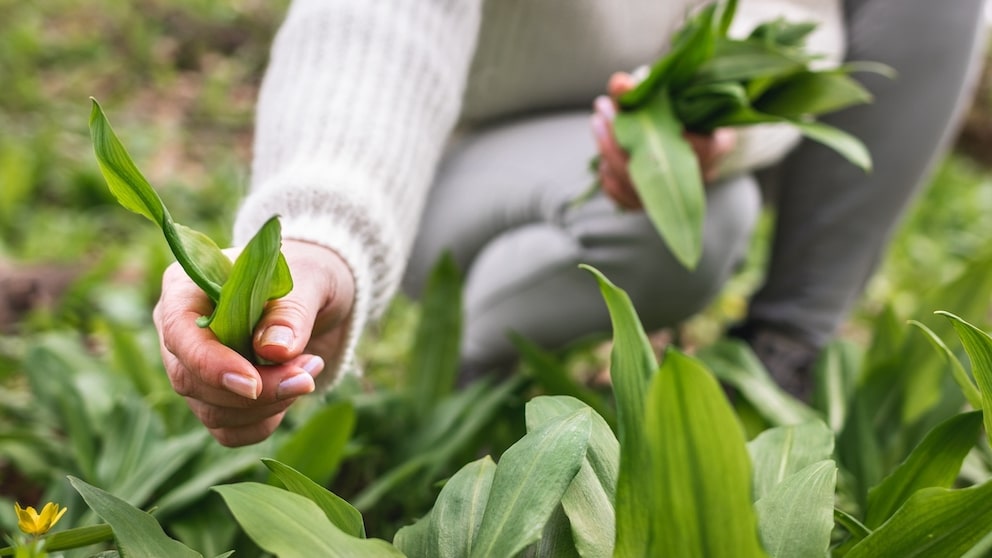
The scent of spicy wild garlic will soon be in the air again—and with it, not only does the harvest season begin in many forests, but also a familiar problem. While amateur chefs are already reaching for their baskets, organized thieves are on the move elsewhere. What many don’t know: Collecting too much or ignoring protected areas can lead to hefty fines.
Tons of Loot from German Forests
With the first warm rays of spring sunshine, the wild garlic season begins. But the aromatic wild herb attracts not only nature lovers. For years, wild garlic theft has been a concern for police in several federal states.
As forstpraxis.de reports, in February 2024, a man was caught stealing 40 kilograms of wild garlic from a forest area in Lower Saxony. An amount, by his own admission, far more than needed for personal use. About two months later, around 2.5 tons of wild garlic disappeared from a forest in northeastern Baden-Württemberg. The estimated market value was more than 50,000 euros.
Only Small Amounts for Personal Use Allowed
Legally, it is clearly regulated how much one is allowed to collect. The basis is the so-called Handstraußregel in the Federal Nature Conservation Act. It only permits picking small amounts for personal use. It states:
“Everyone may (…) carefully take and appropriate wild-growing flowers, grasses, ferns, mosses, lichens, fruits, mushrooms, tea and medicinal herbs, as well as branches of wild plants from nature in places not subject to access prohibition, in small quantities for personal use.”
§ 39, Paragraph 3 Federal Nature Conservation Act (BNatSchG)
This means: Only a handful is allowed. Anyone filling baskets or entire garbage bags with wild garlic leaves needs the consent of the forest owner or the responsible nature conservation authority. For commercial collection, an official permit is required.

What Hobby Gardeners Should Know About the New Trend of Foraging
Can You Sell Wild Mushrooms You Gather Yourself?
Collection Ban in Nature Reserves
The regulations are particularly strict in nature reserves. There, collecting wild garlic is generally prohibited—even in small amounts as per the Handstraußregel. Anyone caught collecting in a nature reserve faces a fine of up to 50,000 euros.
By the way: Not only for nature conservation reasons, but also for other reasons, one should be cautious when collecting wild garlic. The plants closely resemble the poisonous lily of the valley. Consuming lily of the valley can lead to diarrhea and vomiting, and in rare cases, even heart rhythm disturbances. Wild garlic can also be confused with the poisonous autumn crocus.
Conservationist Urges Caution
Nature conservation organizations also appeal for a careful approach to the plants. “We advise following the Handstraußregel when collecting wild garlic,” explains Silvia Teich from NABU upon request from myHOMEBOOK. So, better to collect only about a handful for personal use. “Additionally, one should take only one to two leaves per plant so that the plant is not too weakened.” Under no circumstances should the entire plant, including the bulb, be harvested. “Those who harvest gently ensure that wild garlic will grow again next spring,” the conservationist explains.