

June 9, 2023, 1:42 pm | Read time: 3 minutes
Broken TVs, discarded computers, or aging hair curlers–often these items are not disposed of properly despite legal requirements. But how do you do it right?
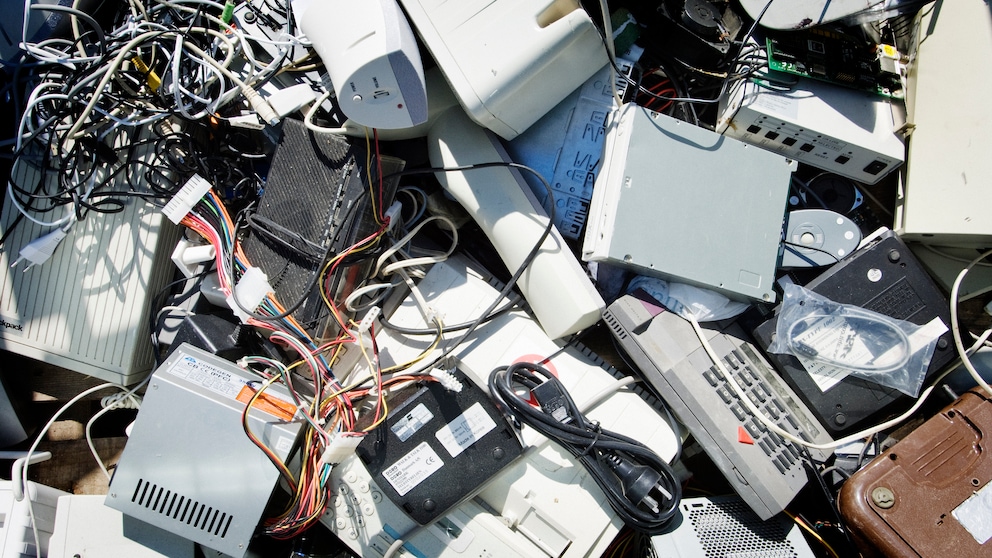
Whether you’re attached to your laptop or not, sometimes a repair is futile or not worth it. The old device must be thrown away. However, not everyone realizes this doesn’t mean the household trash. Besides retailer take-back, recycling centers are a good place to dispose of electronic waste. myHOMEBOOK explains what to consider.
What qualifies as an electronic device?
Almost all devices that require electricity–whether from an outlet, phone cable, or battery–fall under the Electrical and Electronic Equipment Act (ElektroG). They are considered electronic waste when they no longer perform their intended function or are replaced by better devices. The list is constantly expanding; for example, pedelecs up to 25 km/h, photovoltaic modules, night storage heaters, and lights must now be disposed of as electronic waste.
Since a new regulation in August 2018, products with permanently installed electrical or electronic components are also considered electronic waste. This includes shoes with light-up soles, electrically adjustable TV chairs, bathroom cabinets with built-in illuminated mirrors, and backpacks with sewn-in lighting. Since 2019, plugs and power strips, adapters, antennas, and phone jacks are also in this category and must be disposed of as electronic waste.
Also of interest: What belongs in bulky waste and how is it disposed of?
Electronic Waste
- Large household appliances (e.g., dishwashers, dryers, ovens, stoves, washing machines)
- Small household appliances (e.g., vacuum cleaners, toasters, hairdryers, coffee machines, consumer electronics)
- PCs and laptops
- Phones and fax machines
- Printers and copiers
Not Electronic Waste
- Medical devices
- Batteries and accumulators that are to be disposed of separately from the device they are in must still be returned to the retailer or can be voluntarily accepted by municipal collection points
- Water heaters and air conditioners are considered “fixed installations” and are also not covered by the law
- Light bulbs (fluorescent tubes, energy-saving lamps)
Also of interest: Electronic device broken? It doesn’t always have to be thrown away immediately
Where can you dispose of electronic waste?
The best way to properly dispose of electronic waste is at a recycling center. This service is free, as informed by the Federal Environment Agency. Some recycling centers also offer pickup services. Furthermore, since 2016, there is a regulation affecting retailers. Stores with a sales area of more than 400 square meters must accept old devices.
For large electronic devices, such as TVs or refrigerators, this service is only free if you also purchase a corresponding new device. Small devices–those with a maximum edge length of 25 cm (razors, electric toothbrushes, smartphones)–must be accepted unconditionally and free of charge.
Good to know: The obligation to take back electronic waste also applies to online retailers! Since they do not have physical sales areas, the regulation applies to the company’s storage areas. If these are at least 400 square meters, the online retailer must accept old electronic devices. Disposal options include free shipping of the old items or free return upon delivery of the new items. However, you should definitely find out the specific conditions in advance. Online retailers can exempt themselves from the obligation to take back by offering collection systems at a “reasonable distance” and may charge you for the service.