

October 24, 2026, 10:21 am | Read time: 3 minutes
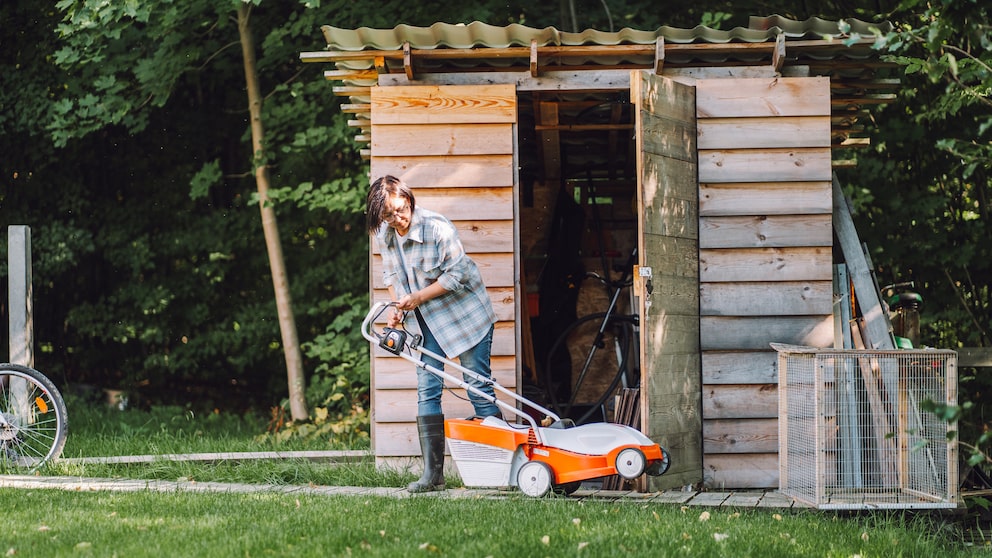
Garden sheds often store expensive equipment that can be attractive to burglars. The risk increases, especially during the dark season and in deserted allotment gardens–but a few targeted measures can significantly hinder access. myHOMEBOOK reveals tips on how you can also protect your garden shed.
Follow myHOMEBOOK on WhatsApp now
Sheds and Garden Huts Also Need Protection
Alarm systems, additional locks, and secured windows protect the home. Sheds and garden houses, however, are sometimes neglected, even though they often store e-bikes, gas grills, chainsaws, or other valuable items.
Owners should therefore effectively secure outbuildings against burglary, advises the police. This is especially true for garden huts in allotment gardens, which are often deserted for long periods during winter. The key is to make it as difficult as possible for intruders to break in. If a burglary attempt takes too long, they usually abandon it after just a few minutes.
Sturdy Locks for Garden Gates and Sheds
The Police Crime Prevention of the States and the Federal Government offers several recommendations on their website “k-einbruch.de.” According to them, burglary protection should start at the property line.
The gate of a preferably high garden fence should be equipped with a solid lock. For new gates, a mortise lock is suitable, while a massive padlock can be used for simpler designs. For the garden shed itself, the police recommend a high-quality cylinder lock combined with sturdy strike plates.
Also interesting: How do garden sheds and garden houses actually differ?
Light and Secured Windows Deter Intruders
Automatic lighting can deter intruders. Motion detectors that turn on the light as soon as someone approaches the building are suitable for this purpose.
Windows can be protected with sturdy steel bars or shutters. It is important that these can be locked from the inside and cannot be pried open. Additionally, lockable window locks can be retrofitted.
By the way: Before winter, it is also advisable to cover all windows from the outside with wooden boards. These should be attached to the window frame with continuous threaded round-head screws.
Store Tools and Ladders Securely
Items that intruders could use for prying or cutting should be kept in a locked area. Ladders can also serve as an aid for climbing and should therefore be locked away or at least secured.
If possible, the power supply to outdoor sockets should also be turned off. This way, burglars cannot connect electrical tools there.
Should You Leave the Shutters up or Close Them to Prevent Burglary?
How to Keep Burglars Out of Your Apartment Building
Do Not Hide Spare Keys in the Garden
A spare key under the flowerpot or doormat is not a secure solution. Experienced intruders know the usual hiding spots and search in places such as gutters and under flower boxes. Spare keys should therefore never be kept near the garden shed.
Also interesting: These are the places where you should never hide a spare key
Document Valuables and Store Them Elsewhere
Over the winter, as few valuable items as possible should remain in the garden shed or hut. For valuables that are still stored there, it is advisable to document them with photos and serial numbers. This information can facilitate both police investigations and insurance claims after a theft.
With material from dpa.