

July 16, 2024, 6:36 am | Read time: 4 minutes
If you are outside during a thunderstorm, you should quickly seek shelter in a building with a lightning protection system. But are all places in your home really safe during lightning and thunder, or should you avoid places like the shower?
When lightning and thunder are intense at night, it’s easy to understand why people in the past believed in various legends and myths. It’s an incredible natural event, and it’s hard to imagine that air can create such sounds. A thunderstorm can be frightening not only because of the thunder; the lightning poses the real danger. There are various rules during a storm for a reason. For example, you should avoid water. How does this apply in your own home? Should you also avoid showering during a thunderstorm?
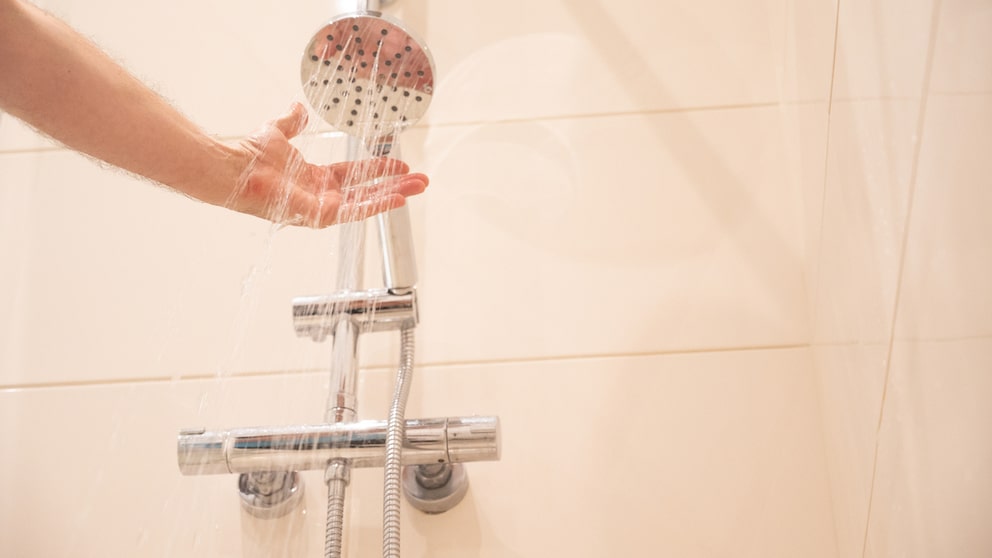
Showering During a Thunderstorm Only With Adequate Internal Lightning Protection
In older buildings, the so-called internal lightning protection often does not meet today’s standards, according to the Association for Electrical, Electronic & Information Technologies (VDE). This means the water pipes are still made of metal, and the house’s wiring systems are not interconnected and grounded. Additionally, the electrical network is not sufficiently protected against overvoltage. In this case, it would be dangerous to shower during a thunderstorm.
If you are unsure about the internal lightning protection in your old building, you should be cautious and postpone the shower to a later time without a thunderstorm. The rule of thumb: If you haven’t heard thunder for half an hour, the storm is over. If the sky also looks clear again, you can shower and bathe without concern.
Also interesting: When standing showers can be prohibited for tenants
Tip: To shower without fear or danger during a thunderstorm in the future, tenants can ask their landlord about the internal lightning protection and, if necessary and desired, hire a professional to retrofit it.
External Lightning Protection Also Important
In addition to internal protection, external lightning protection is crucial in determining how dangerous it is to shower during a thunderstorm. External lightning protection consists of a capture device on the roof (the lightning rods), a grounding system, and conductors connecting both components. Striking lightning can be captured by the device and directed from the point of impact toward the ground. This way, the house and its occupants are protected from damage and injury.

Can a Solar Panel on the Roof Attract Lightning?

What Insurance to Consider for a Balcony Power Plant
Bathing During a Thunderstorm–Is It Dangerous?
Similar to showering, bathing during a thunderstorm is also not recommended if you are not sure about the internal lightning protection. In new buildings, however, bathing is usually safe. Modern pipes are generally made of plastic, which does not conduct electricity.
In older buildings–whether an apartment or a single-family home–this is not always the case, although internal lightning protection can be retrofitted. For this reason, you should keep away from all water pipes in the house during a thunderstorm–whether in the shower, bathtub, or even the faucets.
Also interesting: Should you unplug electronic devices during a thunderstorm?
How Should I Behave During a Thunderstorm in My Home?
If the house has both internal and external lightning protection, you only need to close the windows and doors. If the protection is not present, you should also avoid contact with water pipes, gas lines, and antenna cables. It’s best to disconnect electronic devices from the power grid.