

July 15, 2020, 2:40 am | Read time: 4 minutes
Is there vermin in the apartment, basement, or on the house? In such cases, tenants should immediately contact their landlord. Find out here if they can reduce the rent until the issue is resolved.
Pigeons leave dirt on the windowsill, cockroaches scurry in the basement, silverfish are in the bathroom, and ants crawl on the facade: No question, vermin in and around the house is annoying. In the worst case, there are health risks. Tenants should therefore promptly inform the landlord about the infestation.
Who is responsible for pest control?
Generally, it is the landlord’s responsibility to eliminate pests. After all, they must keep the apartment “in a usable condition,” explains Julia Wagner from the property owners’ association Haus & Grund Deutschland in Berlin. Therefore, the landlord also bears the cost of pest control.
“Vermin in or on the house is a defect of the rental property,” clarifies Rolf Janßen from the DMB Tenants’ Protection Association in Frankfurt/Main. Until the defect is remedied, the tenant can reduce the rent.
Vermin in the House–Landlord Must Act
If, for example, pigeon droppings make a balcony unusable, the landlord must take action to keep the birds away permanently. They can, for instance, install pigeon spikes on the balcony or stretch nets. “For the tenant, compensation for pain and suffering may even be considered if the landlord remains inactive,” explains Janßen.
Of course, tenants can also combat pests themselves. “However, they can only reclaim the costs from the landlord under certain conditions,” explains Wagner. Specifically, the tenant must have previously requested the landlord in writing and with a reasonable deadline to eliminate the pests–and the landlord must have failed to fulfill this obligation.
Note: If tenants take action themselves and tackle the vermin, they must still inform the landlord about the infestation. The landlord needs to assess and determine whether they also need to act to maintain the property.
Also interesting: How to get rid of stink bugs
Can the Tenant Be Liable for Damages Due to Vermin in the House?
If the tenant fails to inform the landlord and the infestation worsens or causes damage, the landlord can claim damages, explains Wagner. Her advice: The lease should already include a clause stating that the landlord must be informed immediately in case of pest infestation. This ensures the landlord can act early–and not only when the vermin has already spread.
However, it is also generally true: If there are only a few pests, the tenant must tolerate them. “This is part of the normal use of the rental apartment,” says Wagner. The Cologne District Court ruled that a few ants alone do not usually impair the contractual use of an apartment (Case No.: 213 C 548/97). This could only be the case if there is a significant infestation by ants.
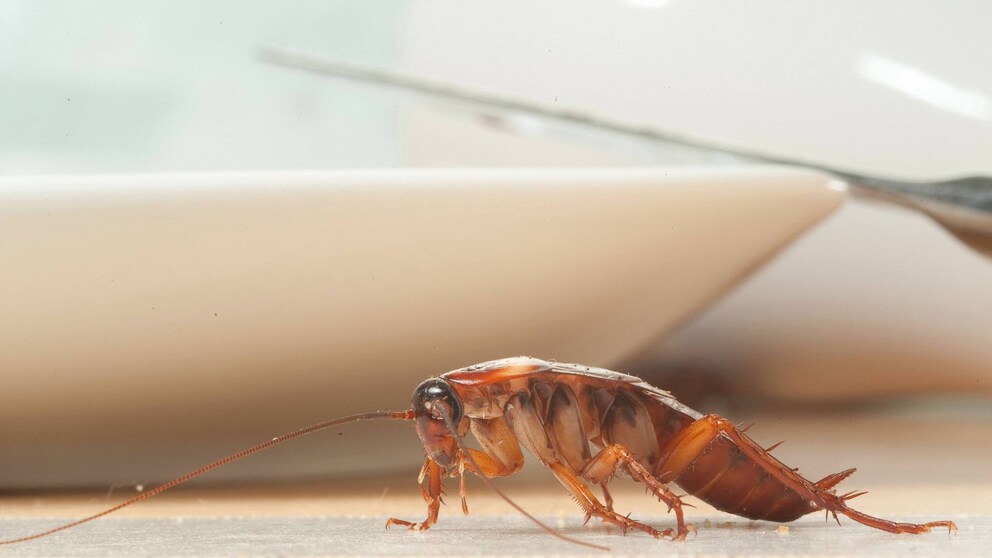
It is different if an apartment is infested with cockroaches. “This can justify a rent reduction,” says Janßen. If tenants discover before moving in that the apartment is infested with cockroaches, they can also terminate the lease without notice, decided the Freiburg Regional Court (Case No.: 3S 1/85).
Also interesting: 3 solutions to keep insects out of the apartment
Tenants Can Use Bait Stations Against Vermin
But how to proceed if an infestation occurs? Since pest control must also consider environmental and species protection concerns, tenants should consult experts before purchasing products from the store. Consumer advocates recommend avoiding sprays and foggers and instead using safe products like bait stations, gels, and traps.
“In more severe cases, a professional company specializing in pest control can usually help,” says Wagner.

Can Tenants Simply Swap Apartments?

When are landlords actually allowed to enter a rental apartment?
What to Look for in a Pest Controller
When hiring such a professional company, consumer advocates advise ensuring that the pest controller and their employees have a certificate of expertise, meaning they are “certified pest controllers.” The company is also obliged to inform about necessary safety precautions and potential indoor pollution. Customers should also insist that the company uses the safest possible products.
Tenants Must Not Attract Pigeons
Tenants must ensure that their behavior does not attract unwanted cohabitants. Feeding pigeons, for example, is not allowed. “Since pigeons cause dirt, noise disturbances, and vermin risks, tenants are not allowed to feed them,” says Janßen. If tenants ignore this ban, it can lead to termination after a warning.
However, it is also true: “Hanging bird feeders or scattering birdseed for songbirds on exterior windowsills cannot be objected to by a landlord,” emphasizes tenant advocate Janßen. The same applies to setting up a birdhouse.