

September 6, 2026, 7:18 am | Read time: 3 minutes
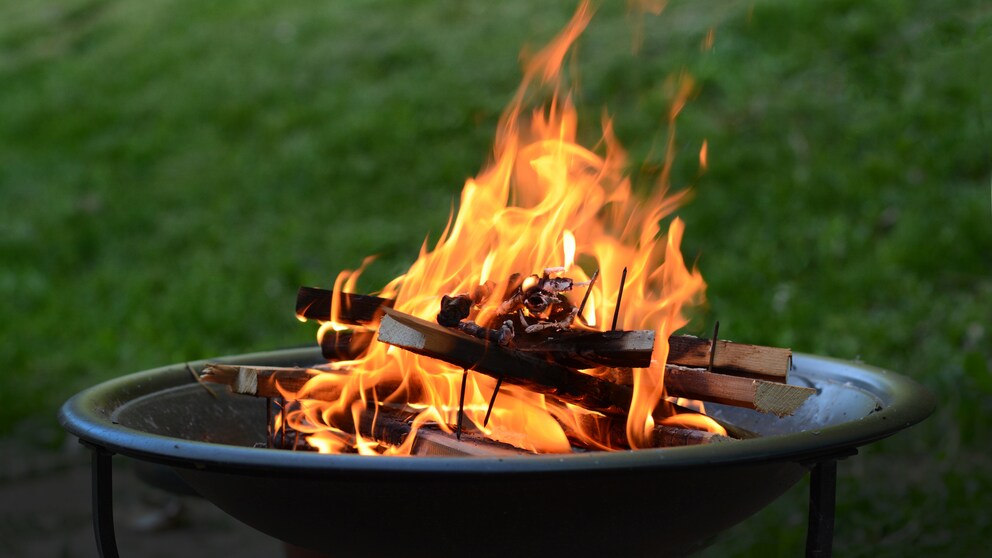
When temperatures drop and the first autumn evenings invite you outside, the fire pit becomes a cozy gathering spot in the garden for many. However, not all wood is equally suitable for an open fire. To enjoy the flames for a long time and avoid risks, it’s important to consider a few key points when selecting firewood.
The Right Type of Wood for the Fire Pit
For a fire in the fire pit, hardwoods are particularly suitable. According to the DIY Academy in Cologne, maple, ash, and beech are among the recommended types of wood. They are known for burning for a long time and producing a steady glow.
Birch wood is also a good choice. It ignites easily and provides an attractive flame pattern. In contrast, softwoods like spruce or pine are less recommended. Although they catch fire quickly, their high resin content often leads to flying sparks. Therefore, they are only partially suitable for open fire pits in the garden.
Building a Controlled Fire
To safely maintain the fire, you should not stack the logs into a large pile all at once. It’s more sensible to add individual logs gradually. This allows for better control of the fire and reduces the risk of flying sparks.
Small, dry pieces of wood are particularly suitable for kindling. If you split your own firewood, you can keep the smaller wood scraps as kindling.
Is a Swedish Fire an Alternative to a Fire Bowl?

What to Keep in Mind When Grilling in the Summer
Use Only Dry and Untreated Wood
The quality of the wood is crucial for a safe fire. According to the DIY Academy, firewood should have a moisture content of less than 25 percent. Wood that lies on the ground in the garden or forest is usually too damp and, according to the Federal Environment Agency, is not suitable for a campfire.
Treated wood is also off-limits. If it has been coated with varnishes, paints, or wood preservatives, burning it can release harmful and highly toxic substances like dioxins and furans. Paper, cardboard, or plastics also have no place in the fire.
When lighting the fire, avoid using accelerants like gasoline or spirits. The Federal Environment Agency recommends using plant-based or natural fire starters, such as wood wool.
Consider Wind and Dryness
Before lighting the fire, it’s always worth checking the current weather conditions. After prolonged dry spells, open fires should be avoided for fire safety reasons. Strong winds also significantly increase the risk of flying sparks.
Therefore, maintaining a safe distance from trees, shrubs, buildings, and garden sheds is important. Those sitting by the fire pit should also avoid standing in the smoke for extended periods. If the wind changes, it may be necessary to move. According to the Federal Environment Agency, exposure to harmful substances in the smoke of a campfire is particularly high—even when only suitable firewood is used.
With material from dpa.