


December 19, 2025, 5:16 am | Read time: 3 minutes
Fire has fascinated people since ancient times. The warmth and crackling of burning wood in the glowing flames are inviting. It’s no wonder people still gather around a fire pit today. Anyone who owns a fireplace or a stove never has to bleed a radiator again. But what’s the actual difference between a fireplace and a stove?
Fireplace Has Tradition
It’s easy to assume that a fireplace and a stove are the same thing. However, there are subtle differences. The term “fireplace” has a much longer tradition in language use, dating back to antiquity. In the past, people referred to the cooking area in the house as a fireplace. This place was the first attempt to tame and utilize fire in a domestic setting. Later, the open hearth served as a source of warmth. A unique feature: The fireplace is a permanent part of the building. It has a direct connection to the chimney.
Due to environmental regulations, the operation of open fireplaces is only allowed in exceptional cases. All the rules can be found in the Federal Immission Control Act. Modern fireplaces, therefore, have a door, usually with fireproof glass, to provide an unobstructed view of the flickering flames.
A fireplace is a symbol of romantic ambiance. The term alone conjures images in the mind. However, what sounds warming actually emits little heat. A fireplace requires proper ventilation to create its romantic atmosphere. Therefore, it is less suitable as a classic heat source.
Can You Simply Install Ovens and Fireplaces?
3 Alternatives to Wood-Burning Fireplaces Compared
Stove Provides Warmth
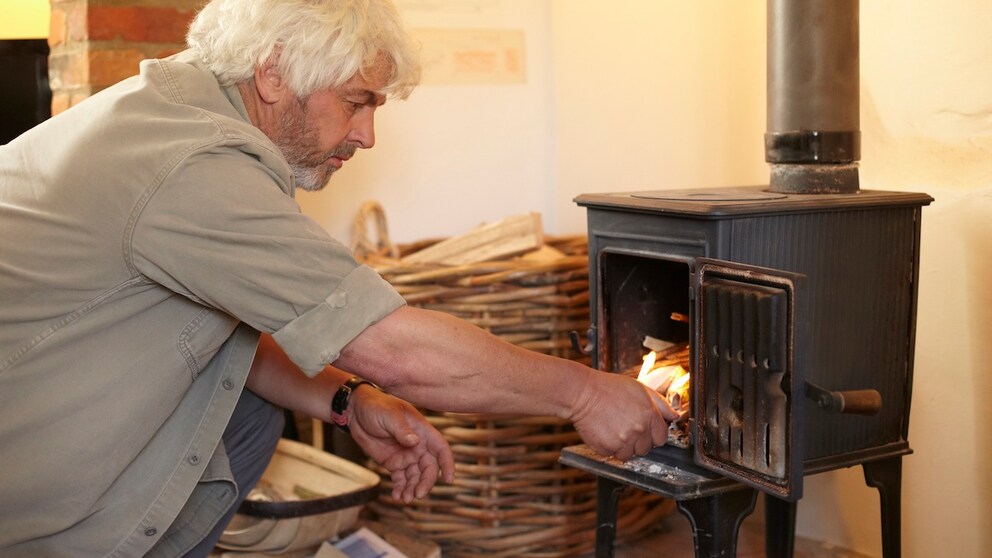
If you want it cozy and warm in your own home, it’s better to install a stove. A stove is usually freestanding, significantly smaller than a fireplace, and connected to the chimney via a pipe. However, there is also a built-in stove, a tiled stove, usually in the kitchen.
Stoves always have a door or flap. Most have a small viewing window. Older models, however, do not allow a view of the flames. A stove is solely for providing heat. Modern stoves achieve an efficiency of over 90 percent. This means 90 percent of the energy supplied, such as firewood or pellets, is converted into heat. In comparison, a traditional open fireplace has an average efficiency of only 15 percent. In other words, 85 percent of the energy is wasted unromantically.
Pure Marketing: The Fireplace Stove
Today, the term “fireplace stove” is also frequently mentioned. This term, which has become more widespread since the 1970s, is more about marketing. It refers to stoves with a glass door. This allows the fire to be observed better than stoves with a small viewing window.
The term “fireplace stove” is meant to convey: This stove not only provides ample warmth but also offers a view of the fire, like a fireplace. A fireplace stove is therefore suitable for those who enjoy both a warm heart and warm feet.