

October 29, 2026, 12:14 pm | Read time: 5 minutes
Autumn is the time of year when we like to retreat and make ourselves comfortable in our warm homes. For animals, too, autumn marks a period of retreat. It’s not uncommon for them to choose our homes as their winter quarters.
Whether insects, spiders, or mammals–they all share a common trait: As soon as temperatures drop, they seek shelter to protect themselves from moisture and cold. In addition to natural hideouts, some animals also use human homes and buildings. myHOMEBOOK shows which animals are now appearing more frequently in our homes and spoke with the Nabu about how best to deal with these visitors.
Follow myHOMEBOOK on WhatsApp now
Which Animals Enter Homes More Frequently in Autumn
In autumn, a variety of animals seek refuge in our houses and apartments. As Helge May from the Nature Conservation Association explains, not all of them face cold and frost with the same strategy: “Some just seek a bit of shelter, others retreat completely and reduce their bodily functions to save energy. Still others die in autumn, and only their offspring overwinter in the form of eggs or larvae.”
Also interesting: What to do if a bat suddenly flies through your room
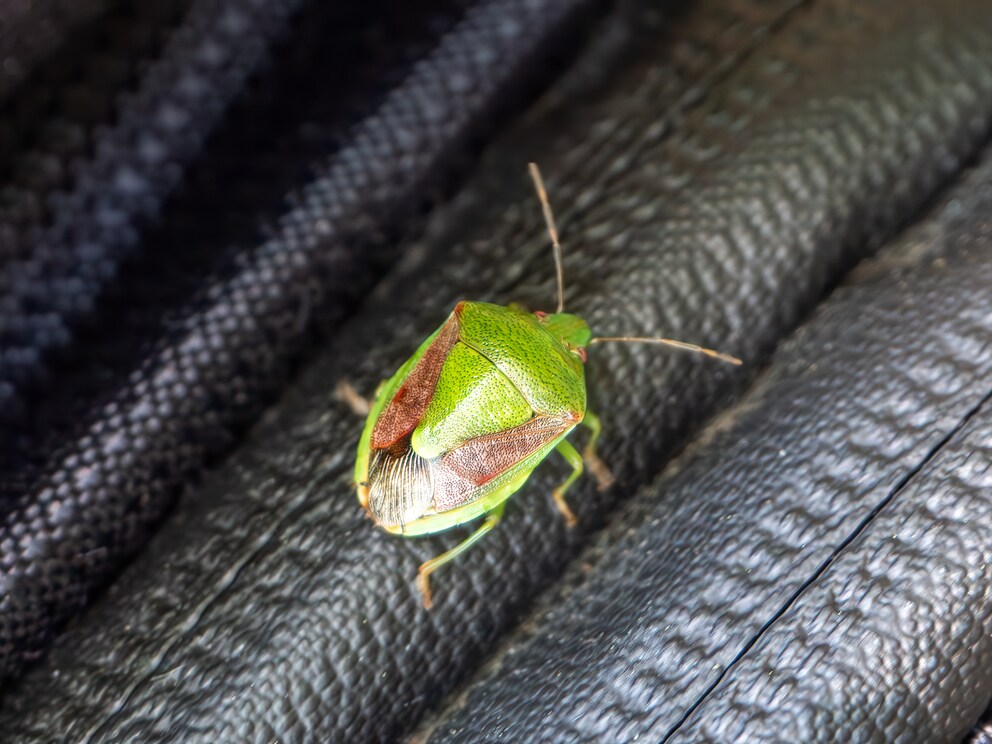
Stink Bugs and Tree Bugs
As temperatures drop, bugs seek shelter in warm rooms. This includes primarily the stink bug and the tree bug. They find their way into the house through (partially) open windows and doors as well as roof gaps, explains Helge May. Stink and tree bugs are harmless to humans and pets. They do not possess venom, do not bite, and do not transmit diseases.
Spiders
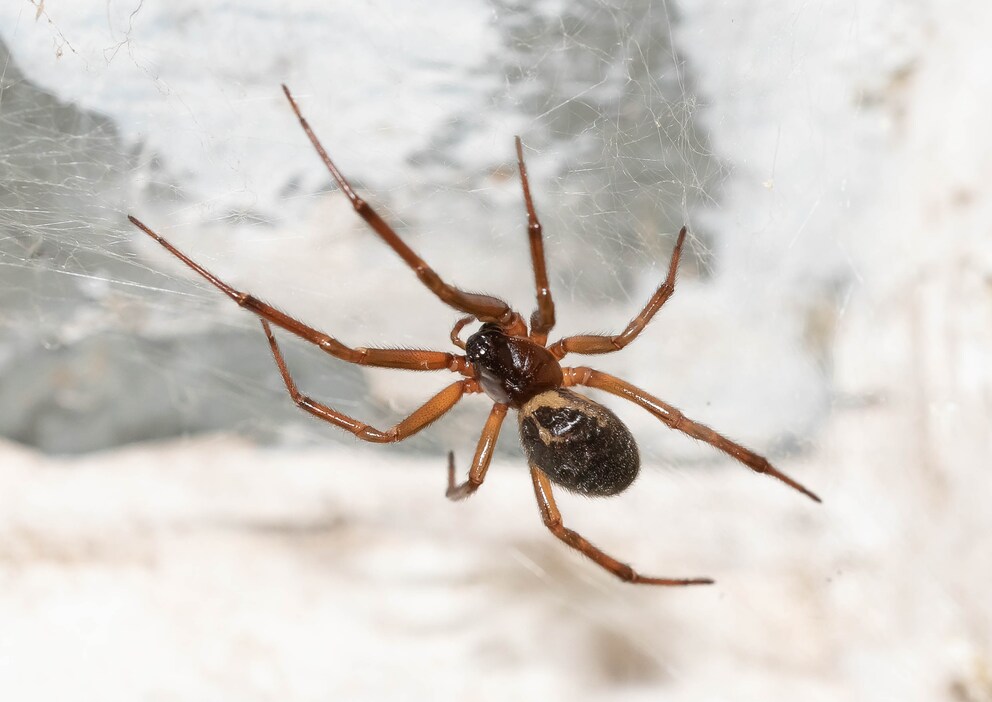
Even though they cause discomfort for many people, spiders find a retreat in our homes. At the top of the list are the house spider and the daddy longlegs. Both species possess venom but are completely harmless to humans.
However, these animal housemates are not as new in autumn as they might seem at first glance. May explains: “Many people underestimate how many animals already live with us year-round in the apartment, basement, or attic, especially spiders and small insects.”
Mice
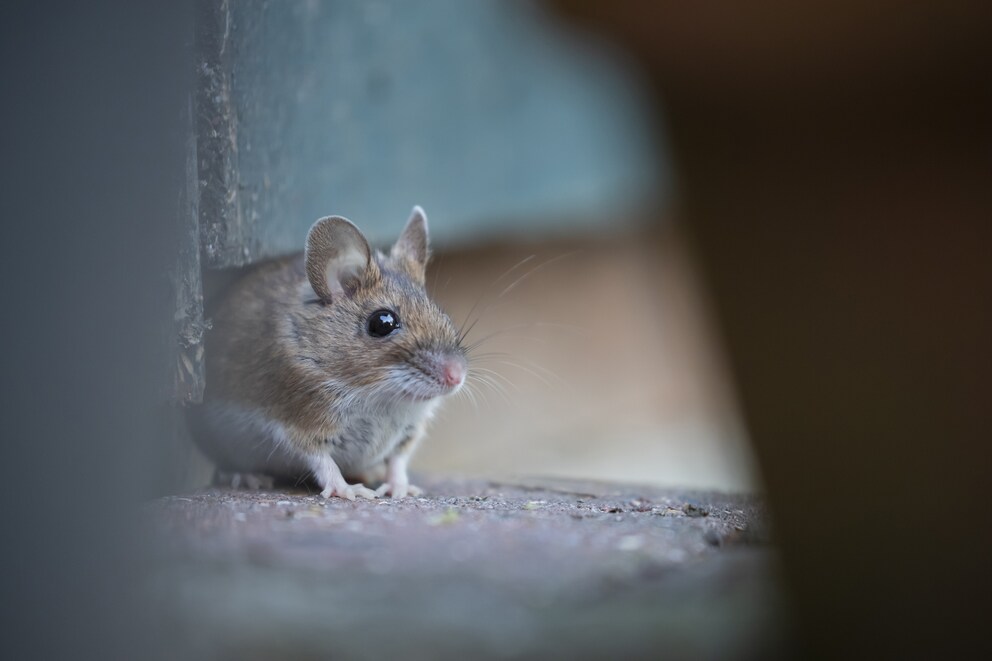
Our homes offer mice ideal conditions for overwintering. Since these small rodents are good climbers, they can easily enter the house via facades. The house mouse only needs a tiny six-millimeter opening to get into buildings. Mice particularly like to stay in garages, attics, and basements. Not only is it warm there, but these spaces also offer a variety of food sources for the little creatures.
Dormice
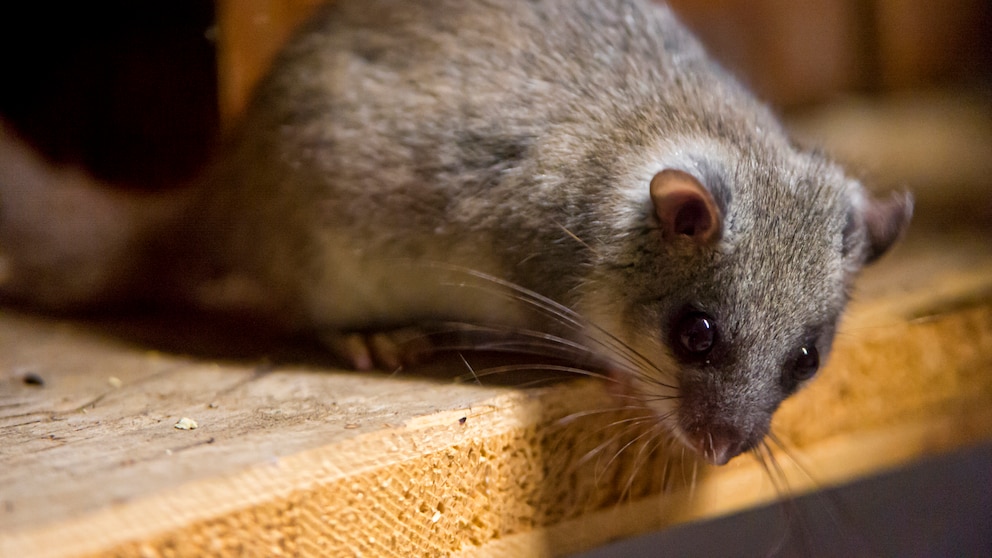
If you hear frequent rustling in the attic during the colder months, you probably have dormice. This rodent typically hibernates from October to May and likes to nest in warm attics. Its cute appearance, however, does not hide the fact that dormice can be very loud and sometimes cause expensive damage to building insulation.
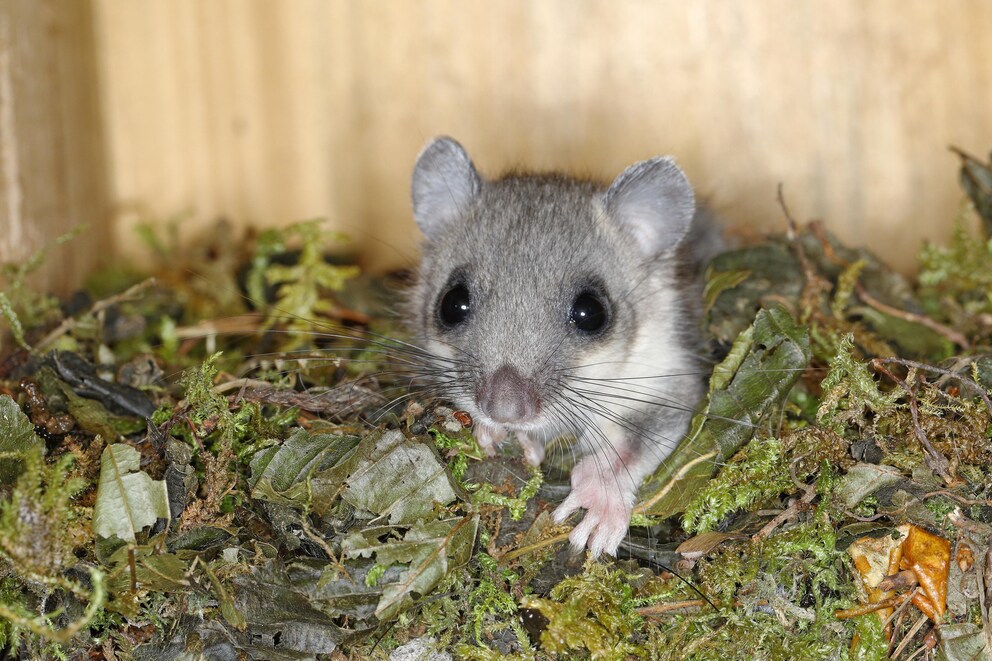
But beware: The dormouse is under special protection according to the Federal Nature Conservation Act. It is forbidden to catch, kill, injure, or destroy their nests. Violations can result in fines of up to 50,000 euros. If you discover damage, you should not drive the animals away on your own but contact an expert.
Ladybugs
Ladybugs also seek warm shelter when it gets increasingly cold outside. They like to stay in warm places such as house facades and balcony railings and eventually enter the apartment when airing. As Helge May explains, the animals behave largely inconspicuously. “Most animals do not cause problems. This applies to butterflies and ladybugs, which sit quietly in the basement over the winter,” says the expert.
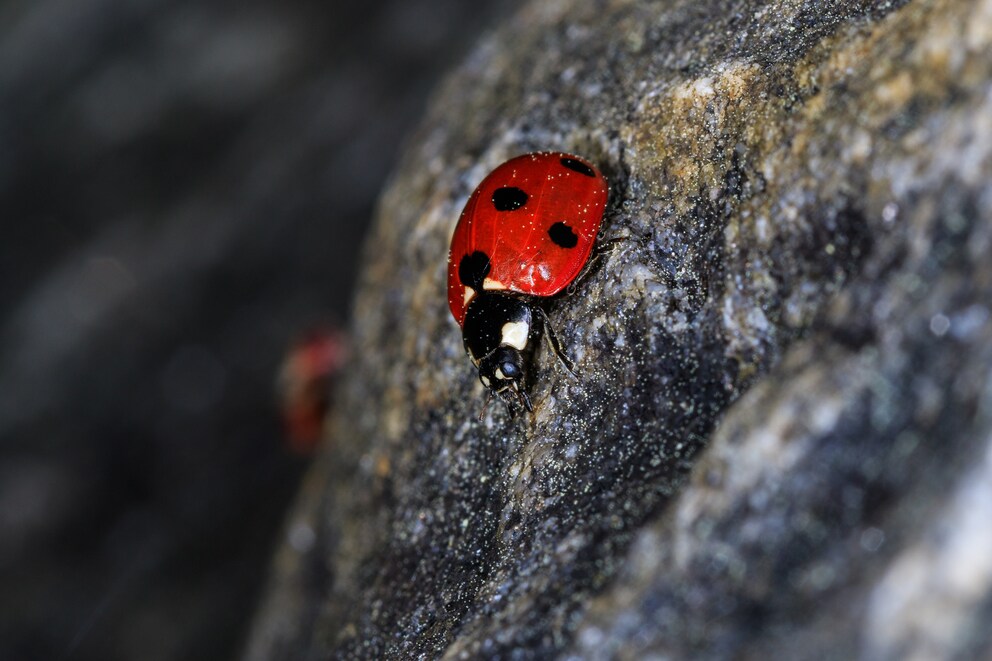
Unlike other animal housemates, ladybugs do not hibernate. They merely fall into a state of winter torpor, reducing their bodily functions.

Stink bugs in the house? Never vacuum them up

Spiders in your home in the fall! How do you keep them away?
Why Animals Seek Shelter in Our Homes in Autumn
Impending hibernation is not the only reason insects and others appear more frequently in our homes. In addition to dropping temperatures, the limited food supply is a major issue, as Helge May explains.
Animals also have different requirements for their winter quarters. “Those who spend the winter actively appreciate as much warmth as possible, while those who rest over the winter prefer it cooler,” says the expert.
How to Get Rid of the Little Creatures
May generally recommends not seeing the animal housemates as nuisances but as allies whose presence can also bring benefits: “Especially spiders ensure that mites, flies, and other critters in the house do not get out of hand.”
If you are still bothered by insects like bugs and ladybugs, you can gently catch them with a glass or a piece of paper. But where to take the animals? The expert advises not to simply release them outside but to bring them to a frost-proof shelter. “Depending on the species, this can be a garden shed, a pile of wood, or a large pile of leaves,” says May.