


September 20, 2026, 7:57 am | Read time: 3 minutes
When it comes to burglary protection, many people first think of sturdy doors, burglar-proof windows, or modern locking systems. However, there are also reports of perpetrators manipulating door locks with acid. But what protective measures can homeowners take against such attacks? And do special security products really deliver on their promises? myHOMEBOOK asked the police in Berlin.
Follow myHOMEBOOK on WhatsApp now
Why the Acid Method Is So Problematic for Homeowners
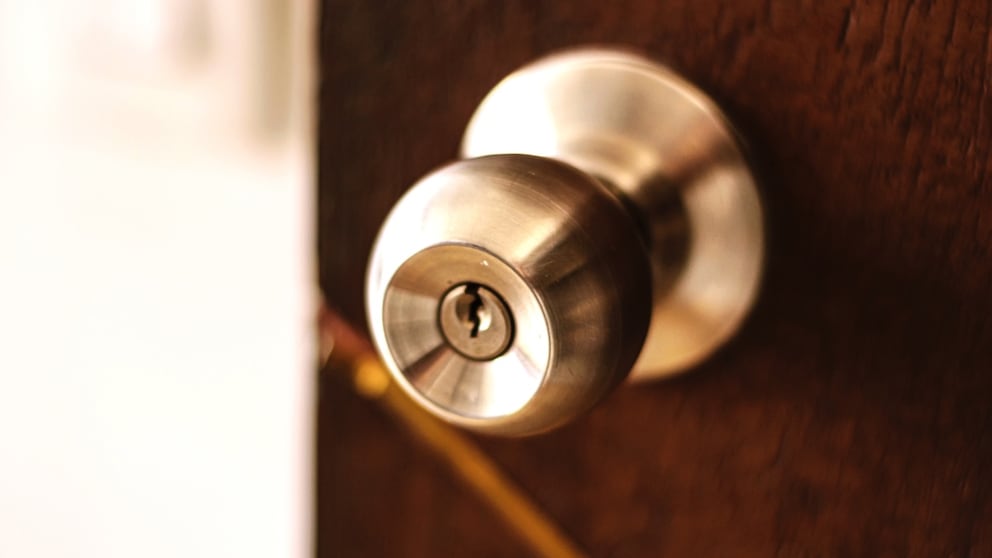
In the so-called acid method, perpetrators attempt to damage a door’s lock cylinder using an aggressive acid. The lock is supposed to become unusable and easier to open. The Berlin police have observed this approach for several years, but compared to other burglary methods, it plays only a minor role.
If acid is indeed used, it often doesn’t stop at a destroyed lock. “However, the damage can be significantly higher, as the area around the lock or door is also attacked by the acid,” says police spokesperson Jane Berndt. The consequences can lead to extensive repairs. “Repairing the damage usually involves replacing the flooring and sometimes even the drywall, if these elements are affected by the acid.”
Not Every Security Product Convinces
Those looking for protective options quickly come across acid-resistant lock cylinders. But according to the Berlin police, there is currently no convincing evidence of their effectiveness.
“According to the burglary protection advisory service, which is part of the prevention department at the state criminal police office, none of these products have proven convincing in relevant tests,” explains Berndt.
The designation alone is therefore not a guarantee of increased security.
This Measure Is Recommended by the Police
The police consider so-called visor fittings to be sensible. These are protective fittings that cover the profile cylinder. “A visor fitting protects the profile cylinder so that acid cannot be introduced into the lock channel,” says the spokesperson.
This prevents a liquid from easily entering the lock directly. Those who want to secure their door against various burglary methods can check during a renovation whether such a fitting can be retrofitted.
Also interesting: Burglars use adhesive thread trick to scout apartments
How to Tell if Your Door Is Burglar-Proof
Should You Leave the Shutters up or Close Them to Prevent Burglary?
Burglary Protection Should Be Considered Holistically
Despite the discussion about acid attacks, the police advise not to focus on a single method. “Almost all burglaries are committed with a lever tool,” explains Berndt.
From the experts’ perspective, comprehensive protection of the apartment or house is more important than securing against a specific approach. This includes sturdy doors and windows as well as professionally installed security technology.
What to Do If You Suspect an Acid Attack
The chemicals used can pose significant health risks. According to the Berlin police, these cases particularly involve nitric acid. “It is highly corrosive, and even inhaling the fumes can have serious health consequences,” explains Berndt.
If you suspect that your door lock has been tampered with using acid, you should not attempt to examine the lock yourself or remove residues. Instead, the police recommend: “Immediately alert the police, leave the immediate danger area, and if possible, wait for the arrival of the police and fire department.” Additionally, “skin contact must be avoided at all costs,” they say.