


September 3, 2025, 10:21 am | Read time: 2 minutes
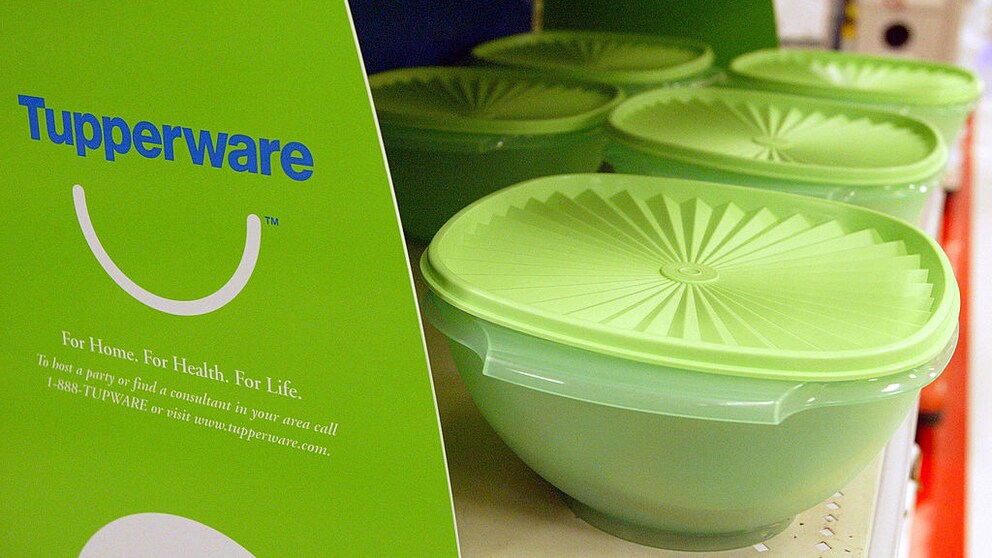
Only about six months after Tupperware ceased operations in Germany, the storied brand is making a comeback. A French investor has driven the restructuring of the insolvent national branch, now enabling the return of the cult product from direct sales.
Entrepreneur Cédric Meston, co-founder of the plant-based brand HappyVore, has taken over the French branch and initiated a restructuring plan, which the responsible court has now approved. With this restart, Tupperware aims to relaunch not only in France but also in Germany—as well as in Belgium, Italy, and Poland.
20,000 Sales Consultants Are Back in Action
A fresh start without the classic sales partners? Not at Tupperware. Around 20,000 independent consultants are set to resume operations in the mentioned countries. The declared goal: to achieve annual sales of 100 million euros by the end of 2025.
Also interesting: 7 Household Items You Shouldn’t Buy Used

How and Where Does the Frosch Brand Produce?

Depot, the Decor Giant, Must Close All Stores
New Product Variety at Tupperware
The company is said to have been rebuilt—from logistics to sales tools. Tupperware has also expanded its product range. In addition to traditional plastic containers, Tupperware will now offer containers made of stainless steel, glass, and recycled plastic. A clear response to growing consumer demands for sustainability and material diversity.
Long Missed Connection?
The American company Tupperware was founded in 1946. It gained great fame through direct sales—the well-known Tupperware parties. At social gatherings at home, hostesses could invite their friends, demonstrate the products, and sell them directly. This model made the company famous in the U.S. and later worldwide, becoming a symbol of modern household organization. It also offered women a new form of independence. In the 1960s, Tupperware finally came to Germany, where the food containers became a staple in many kitchens.
For decades, Tupperware remained committed to direct sales and held onto traditional sales parties for a long time. Only later did the company take its first steps into online retail, opening its own webshops in some countries. Later, partnerships with major retail platforms like Amazon followed. The late entry into digital business is now seen as a weakness of the brand. While Tupperware still heavily relied on personal sales meetings, cheaper competitors had already captured the online market.