

June 8, 2023, 2:57 pm | Read time: 2 minutes
The myHOMEBOOK series “The Path to Homeownership” highlights the individual steps in buying real estate–from the desire to purchase to final use. In this article, real estate agent and myHOMEBOOK author Christopher Hnida explains what to consider regarding warranties in new and existing buildings.
In this final article of our real estate series “The Path to Homeownership,” we focus on the usage phase. The property has been purchased and handed over. What about warranties if defects in the property become apparent?
Differences in Property Warranties
In principle, a property must be handed over in the condition agreed upon in the contract. The purchase contract specifies the exact condition. However, there are significant differences in warranties between newly constructed and existing properties:
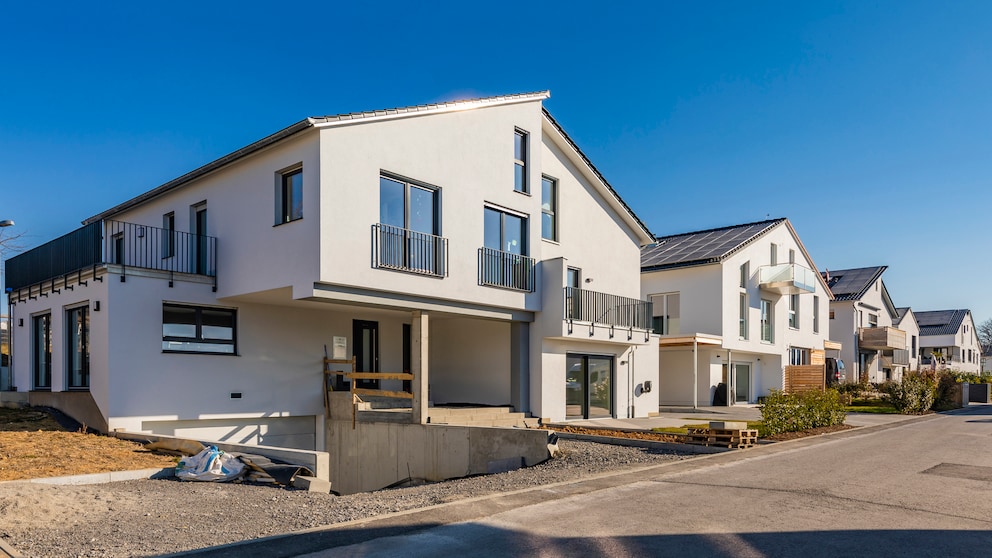
New Construction
Those who purchase a newly built property have a warranty claim on the construction work performed. This typically lasts for four years after the building acceptance. It is also regulated in the “Contract and Award Regulations for Construction Work”–abbreviated as “VOB.” If, within this period, I find that, for example, a window no longer closes or tiles are coming loose, the developer is obliged to fix the defect.
Existing Property
For an existing property, a warranty and liability exclusion is usually agreed upon in the purchase contract. This means the buyer has no claim against the seller if defects in the property are discovered later. The phrase “The property is sold as is” is often used. However, this exclusion does not apply to defects the seller knew about or should have known about through due diligence.
The seller must not conceal any defects, whether structural, such as decayed roof beams, or legal, such as building restrictions. If they do, they are liable. Therefore, it is advisable to take a close look and get a professional’s help when purchasing an already built property.
Also interesting: House ancillary costs–what expenses to expect
More articles from “The Path to Homeownership”: