


March 5, 2024, 9:41 am | Read time: 4 minutes
When tenants move into a new apartment, they often need to spruce up the old one first–as noted in the handover protocol. However, some defects are the landlord’s responsibility.
Do tenants really need to repaint the walls white? What about scratches on the parquet floor? And who fills the drill holes in the wall? These are questions many tenants ask when moving out. After all, they want to get their security deposit back as fully as possible. However, it’s not always necessary to fix every defect in the apartment upon moving out. myHOMEBOOK consulted the tenants’ association to find out how this is regulated.
Does the Landlord Have to Accept Unfilled Drill Holes?
When you mount a shelf on the wall or attach a TV bracket, you can’t avoid drilling holes. Should these be filled when moving out? “It depends on whether the tenant is obligated by the lease to paint the apartment upon moving out or not,” explains Anja Franz from the Munich Tenants’ Association in response to a myHOMEBOOK inquiry.
If so, then the holes must be filled and the wall painted. If not, according to Franz, it’s legally disputed whether this is necessary. “It depends on how many holes are in the walls,” the expert explains. If it exceeds the usual amount, it constitutes excessive wear and the tenant must close them. However, there is no specific definition of what “the usual amount” means. By the way, this guide shows you how to neatly fill drill holes.
What About Colorfully Painted Walls?
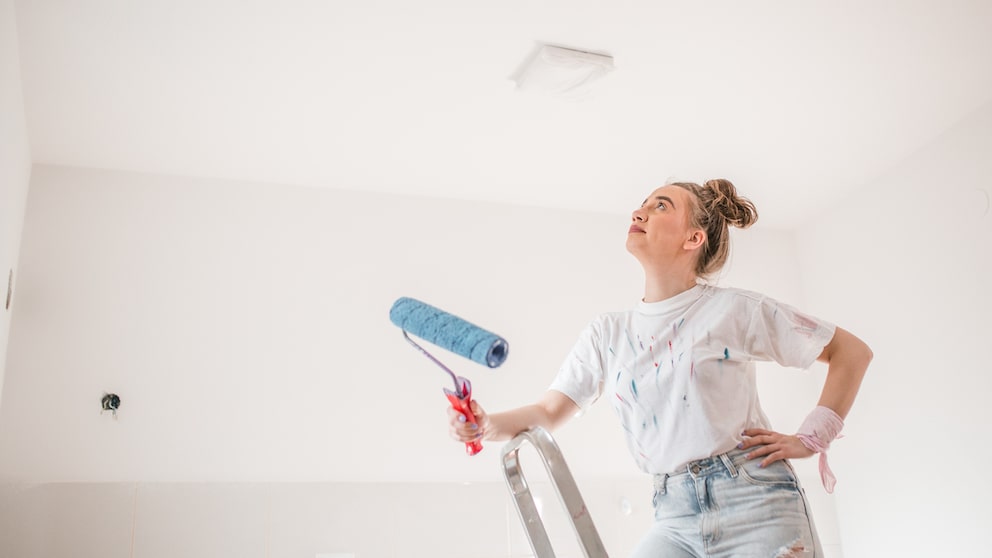
During a move, the apartment is often painted. This also applies to colorful walls. “The tenant must return colored walls in white or neutral colors–regardless of whether they are obligated to paint or not,” explains Franz from the tenants’ association.
But: “Neutral light colors are considered white according to legal precedent.” Therefore, one could leave a light beige or another light, neutral tone on the wall. “But the safest option is, of course, to return the walls simply white,” advises the rental law expert.
More on this: Do You Have to Paint When Moving Out?
Does the Tenant Have to Fix Scratches in the Parquet?
When moving furniture, scratches can occur on the parquet floor–especially if felt pads aren’t used. Here, too, the question arises whether tenants must fix these defects themselves when moving out.
Franz from the tenants’ association says: “If the scratches in the parquet are deep and long, it constitutes damage that the tenant must repair.” So, as is often the case, it depends. If they are only small scratches or light marks from furniture, it constitutes wear that the tenant does not need to fix. Here you can learn how to avoid and repair scratches in parquet.

5 Common Mistakes Renters Should Avoid During Apartment Handover

Is It Permissible for Tenants to Drill on the Balcony?
Do You Have to Paint Over Stains Around Light Switches?
In this case, too, it depends on the extent of the dirt. If the tenant has agreed to take on cosmetic repairs, they must also paint over these stains. They would do so anyway if painting the wall. “If no painting is required and the stains or dirt are very visible, the tenant should paint over them,” recommends Franz. For light dirt, it constitutes wear–and the landlord must take care of it.
Do You Have to Install Temporary Lamps When Moving Out?
Often, newly rented apartments have so-called “construction site lamps” hanging from the ceiling. These are simple sockets with a light bulb, usually replaced soon with “real” lamps. Do tenants have to reconnect these temporary lamps before moving out?
The answer here is clear: “If the apartment was rented without lamps, you don’t have to install lamps when moving out,” explains Franz. On the other hand, you should reconnect them. Otherwise, there would be no light source in the empty apartment, which could make viewing difficult, especially during the darker months.