

March 21, 2023, 12:02 pm | Read time: 2 minutes
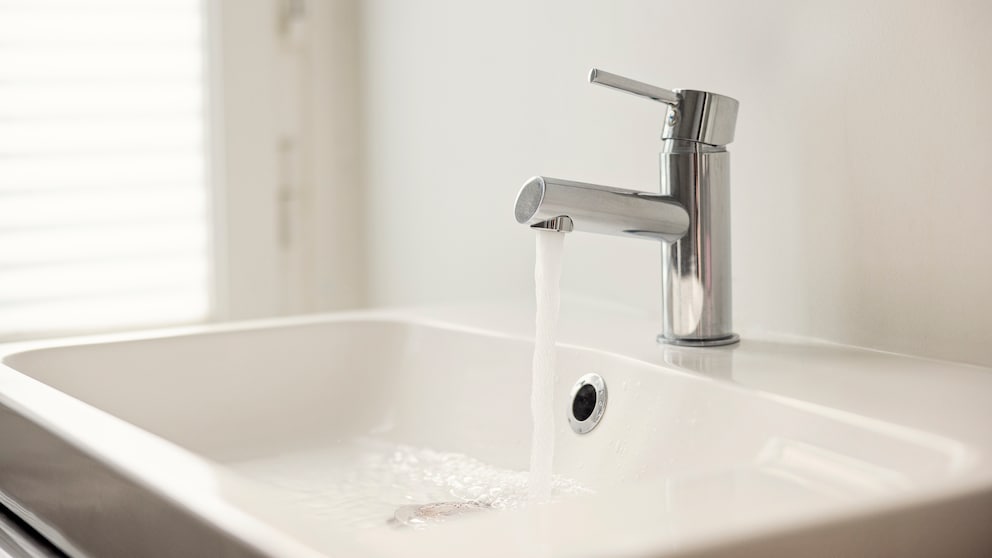
Directly under the faucet, most sinks have a small additional hole. However, many are unaware that this inconspicuous opening serves two important purposes. What exactly is it for?
Especially in ceramic sinks, the so-called overflow hole is widespread. Kitchen sinks can even have several such openings. The name already reveals one of its functions: The overflow is meant to prevent water from spilling uncontrollably over the edge of the sink.
Hole in the Sink as Overflow Protection
The opening is designed to prevent the sink from overflowing. For instance, if you forget to turn off the faucet and let the sink fill with the drain closed, the water can flow out through the hole. Conveniently, it leads to a hollow space inside the sink, which empties at the lower end of the drain. By the way, this protection is also available in bathtubs. There, the hole is usually located at the foot end, sometimes in the middle or on a side wall of the tub.
Related: How to Properly Clean the Overflow Protection in a Sink
What Is the Small Hole in the Back of the Refrigerator For?
Simple Trick Keeps the Sink Odor-Free During Vacation
Hole in the Sink as Air Supply
But it’s not just for overflow protection–the small hole has another function. It supplies air to the drain, which speeds up the drainage of water. Without an air supply, the water would drain much more slowly due to resistance in the drain.
Also interesting: How to Repair Small Scratches and Holes in a Sink
Are There Sinks Without Overflow Holes?
Nowadays, you can also buy sinks that do not have an integrated overflow. There are often two reasons for this. On one hand, it’s simply about aesthetics. Sinks without an overflow can be designed to be flatter and more elegant. Additionally, there’s the aspect of hygiene: The overflow hole and the hollow space behind it are difficult to clean. As a result, bacteria can accumulate, leading to unpleasant odors in the sink.