


October 10, 2024, 3:08 pm | Read time: 4 minutes
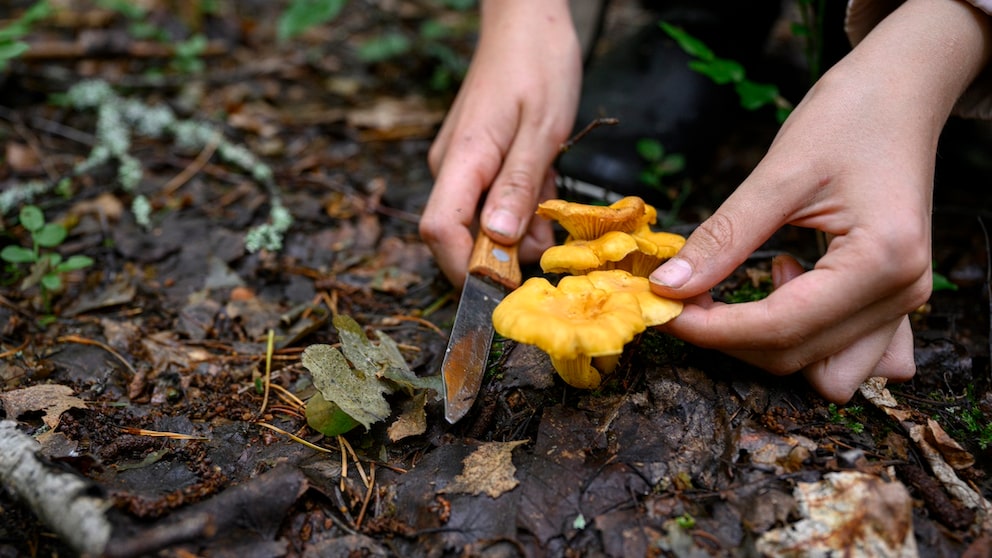
For many, mushroom picking is simply part of fall. Searching for these little delicacies is fun, you get to enjoy the fresh air and nature, and in the end, you can prepare a delicious dish from your finds. However, there are some things to keep in mind, such as the inedible look-alikes of edible mushrooms.
Fall is harvest time, not only in garden beds but also in the forest. Here, you can find all sorts of mushrooms. Equipped with a basket and a knife, you can get started. It’s important to correctly identify the mushrooms, or the picking and the subsequent dish could end up in the hospital. Many edible mushrooms have poisonous look-alikes.
Which Mushrooms Have Dangerous Look-Alikes?
For example, the chanterelle has poisonous look-alikes: the false chanterelle and the jack-o’-lantern mushroom. Especially small specimens of these toxic mushrooms resemble chanterelles. Poisoning from them is marked by thirst and severe kidney pain. According to the German Mycological Society (DGfM), symptoms can take two to 21 days to appear.
Another typical case of mistaken identity is the panther cap, which resembles the pearl mushroom. Just five minutes after consumption, the panther cap can cause symptoms like walking difficulties, seizures, and intoxication, which can even lead to a coma.
Also interesting: How to Properly Dry and Preserve Mushrooms
Beware of the Death Cap Mushroom
“If there is poisoning from a very toxic mushroom species, it is almost always the death cap mushroom,” says Martin Ebbecke, head of the Poison Information Center North (GIZ) in Göttingen. The tricky thing about some poisonous mushrooms is that they taste very good. “People who have survived poisoning from the death cap mushroom have told me it was delicious,” says Ebbecke, a specialist in internal medicine and clinical toxicology.
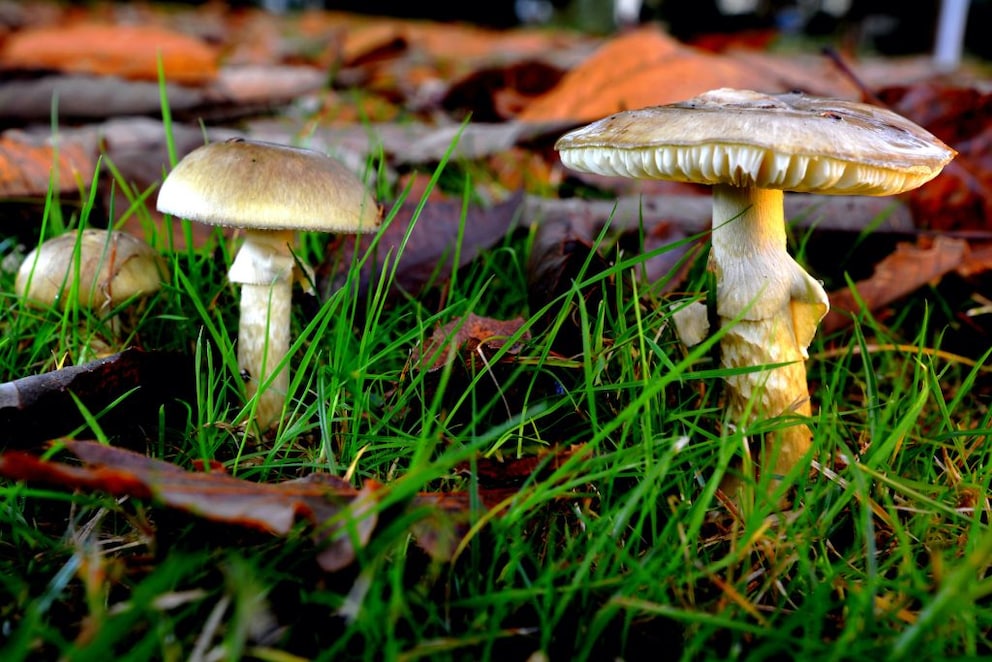
Specimens of the cone-shaped death cap mushroom can be mistaken by inexperienced collectors for a champignon. The death cap mushroom can resemble edible green russulas at first glance.
It’s also tricky that symptoms of poisoning from death cap mushrooms—vomiting and diarrhea—appear relatively late, only six to 12 hours after consumption. “This leads to losing valuable time, and irreversible damage to organs like the liver may have already occurred,” says Ebbecke.
Note: If mushroom poisoning is suspected, you should call the poison emergency number for your region or contact emergency services.
Also interesting: How to Grow and Harvest Mushrooms in Your Own Garden
Related: Experts Warn Against Apps for Mushroom Identification
Why the Green Death Cap Mushroom Is So Dangerous
Mushroom of the Year 2026 Is on the Red List
Pay Attention to the Gills When Picking Mushrooms
But how can you protect yourself? “It can’t be repeated often enough: Please only pick mushrooms that you can confidently identify,” says Harry Andersson from the German Mycological Society. In case of doubt, volunteer DGfM mushroom experts like him can examine the finds.
Even a small detail on the mushroom—such as the color of the gills—can make the difference between a poisonous and an edible mushroom. Only those who know these nuances can confidently toss their finds into the pan.
What Are “False Mushroom Poisonings”?
Even after consuming an edible mushroom, you can feel quite ill. A common problem is mushroom poisoning from eating fruit bodies that are too old. Mushrooms contain protein and therefore behave more like meat and fish in terms of shelf life—not like vegetables. This is referred to as a “false mushroom poisoning,” which is a variant of food poisoning.
While typically not as dramatic as poisoning from toxic mushrooms, a false mushroom poisoning can also end up in the hospital due to diarrhea, nausea, and vomiting. Therefore, only take flawless and young mushrooms.
Tip: For boletes like red-caps and porcini mushrooms, the cap should still be firm. This can be checked on-site in the forest by pressing the cap with your thumb. If a dent remains, the mushroom is too old.
Leaving mushrooms that are too old in the forest not only benefits you but also ensures new growth in the next mushroom season. Old fruit bodies carry mature spores, essentially the “seeds” of mushrooms. If these mature spores remain in the forest, young, fresh specimens can emerge the following year.
with material from dpa