


October 6, 2020, 2:33 pm | Read time: 3 minutes
With cooler temperatures, the heating systems are gradually being turned on. Although this winter is marked by the energy crisis and saving is the top priority, people still want to stay somewhat warm. But what causes the heating not to warm up at all?
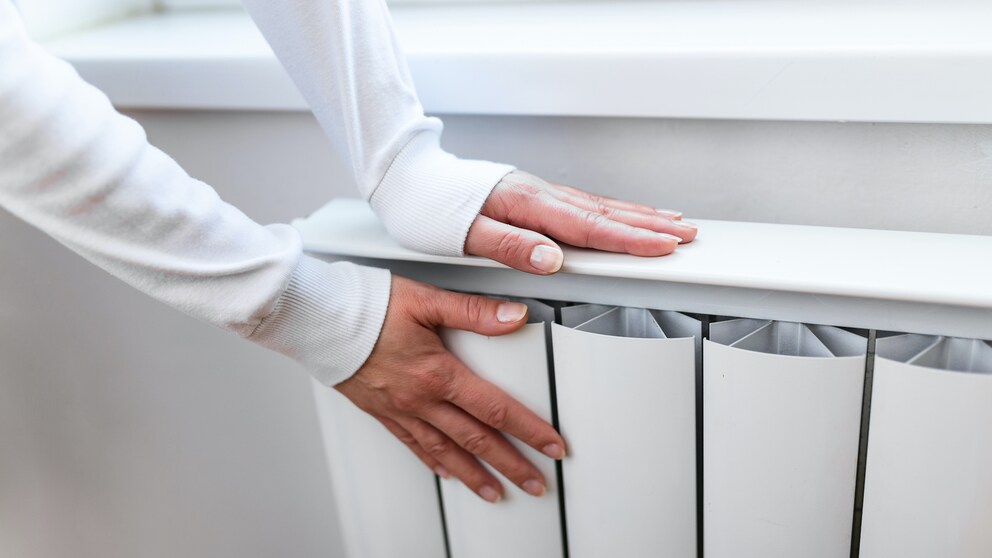
Despite the energy crisis, heating systems won’t be completely off this winter. After the first cold nights, everyone eventually touches the radiator and wonders when it’s time to turn up the heat. But what can you do if the heating simply doesn’t get warm, no matter what level you set the thermostat to? If the radiator stays cold, there could be various reasons, and you don’t need to assume the worst right away. It’s important to first check all the radiators in the apartment or house to find out if all the heaters are cold or just one.
7 Reasons Why the Heating Doesn’t Get Warm
1. Too Low Flow Temperature
One reason the heating might not get warm could be that the flow temperature of the heating system is not set correctly and is too low. The flow temperature is the temperature of the water in the heating system before it is pumped to the individual radiators. While a lower flow temperature can indeed save heating costs, if it’s too low, the heating won’t get warm.
2. Heating Not Bled
If the heating doesn’t get warm, it’s often because there’s air in the radiator. This problem can be easily fixed by yourself. Here’s how it works.
3. Incorrect Boiler Pressure
If the heaters on the lower floors are warm but not on the upper floors, the boiler pressure is likely too low. This means there’s not enough force to push the water up to the upper floors.
4. Stuck Valve Pin
Directly on the radiator under the thermostat is the so-called valve pin. If it’s stuck, this can also be a reason why the heating doesn’t get warm. The problem can be solved as easily as bleeding. Simply turn off the thermostat and look for a small silver rod. If it’s stuck, you can gently loosen it with pliers.
5. Missing Hydraulic Balancing
When a new heating system is installed, a hydraulic balancing is performed. This ensures that the heating system achieves maximum performance with minimal effort.
6. Summer Mode
If the heating doesn’t get warm after summer, it might still be set to summer mode. Landlords set this so tenants don’t heat their rooms in the summer.
7. Broken Heating Pump
The heating pump, also known as the circulation pump, is the heart of the heating system. It ensures that the heated water is transported from the boiler to the individual radiators. If the pump is broken, the heating won’t get warm.
Info: If tenants find that their heating doesn’t get warm and they can’t solve the problem themselves, they should contact their property management or landlord. They will then hire a professional service.
When Do Heaters Need to Work Again?
Typically, rental agreements specify a heating period from October 1 to April 30. However, there is no legal requirement. During this period, a sufficient temperature in rental apartments must be ensured.
Exceptions apply if, for example, there is an early cold snap. If the heating remains cold in this case, stricter conditions apply for a rent reduction. The amount of the reduction depends on the temperatures and how long the cold lasts. If the room temperature drops below 16 degrees Celsius, the heating system must be put into operation immediately (LG Kassel, WM 64, 71).