

November 22, 2025, 11:47 am | Read time: 3 minutes
There are many reasons why a toilet seat needs to be replaced. These include a wobbly seat, unsightly discolorations, or a crack in the material. But be careful: Simply picking a new model off the shelf can quickly lead to frustration. Not every seat fits every toilet. This overview shows how to avoid mistakes when buying a new one.
Universal Doesn’t Always Fit
Even though many models are labeled “universal,” that doesn’t necessarily mean they are compatible with every toilet bowl. The DIY Academy in Cologne points this out. Before purchasing, it is essential to measure the existing toilet bowl precisely—not the old seat, but the ceramic itself.
How to Measure Correctly
To get the right measurement, first measure the length of the bowl: Place the tape measure in the center from the wall behind the ceramic to the front edge of the bowl. Then determine the width at the widest point, usually in the rear area.
Next, the distance between the two drill holes is important, where the new seat’s attachment will be inserted later. Measure from the center of one hole to the center of the other. According to the DIY Academy, most models range between 10 and 20 centimeters. These measurements should be noted and compared with the information on the packaging or product description in the store.

How Effective Are Toilet Fresheners Really?

How to Properly Clean a Yoga Mat to Keep It Hygienic and Intact
The Shape Matters
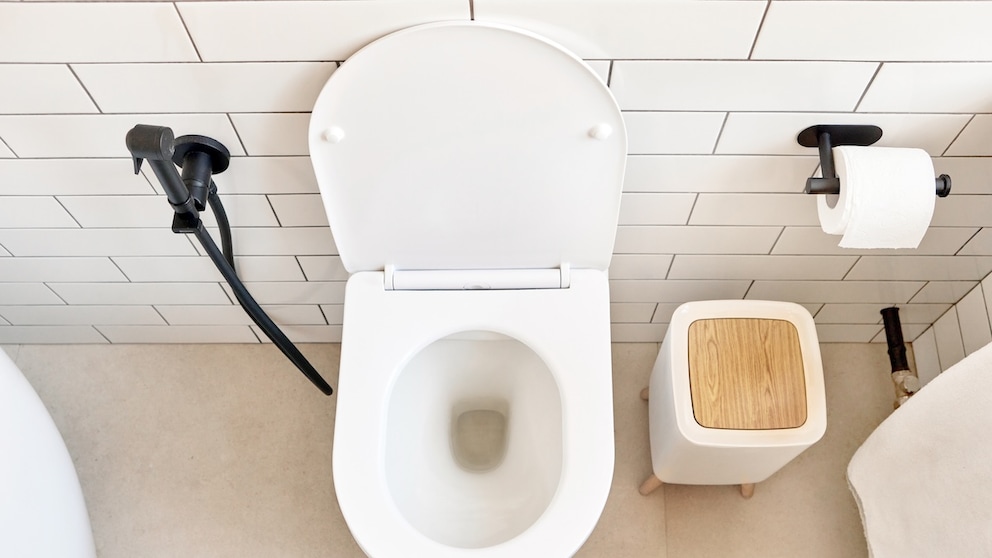
In addition to length and width, the shape of the toilet bowl is also crucial. In modern new buildings, instead of the classic, oval universal shape, a so-called D-shape is increasingly found. It is straight at the back and rounded at the front, explains the DIY Academy. There are also square or particularly compact toilets, such as those for small bathrooms. Special toilet seats are required for these.
Whether a seat model is suitable for your bowl shape can usually be seen on the packaging or in the online product description. In case of doubt, it is helpful to take a photo of your own toilet to the store and seek advice, recommends the DIY Academy.
Cleaning: Gentle Care Instead of Scrubbing
Proper cleaning plays a significant role in keeping the new seat looking good for a long time. Plastic seats, such as those made of duroplast, can quickly become dull, discolored, or develop fine cracks from scouring powder or acidic cleaners, warns the DIY Academy. Instead, they recommend using a neutral all-purpose cleaner or a drop of dish soap to clean the toilet seat and a soft cloth, such as microfiber or cotton.
The Federal Environment Agency also reassures that disinfectants are not needed around the toilet for normal dirt. Conventional cleaners are usually completely sufficient.
The DIY Academy adds that abrasive sponges or pot scrubbers should not be used on toilet seats. These could permanently damage the material’s pore-free surface.
With material from dpa