

October 25, 2025, 4:48 am | Read time: 3 minutes
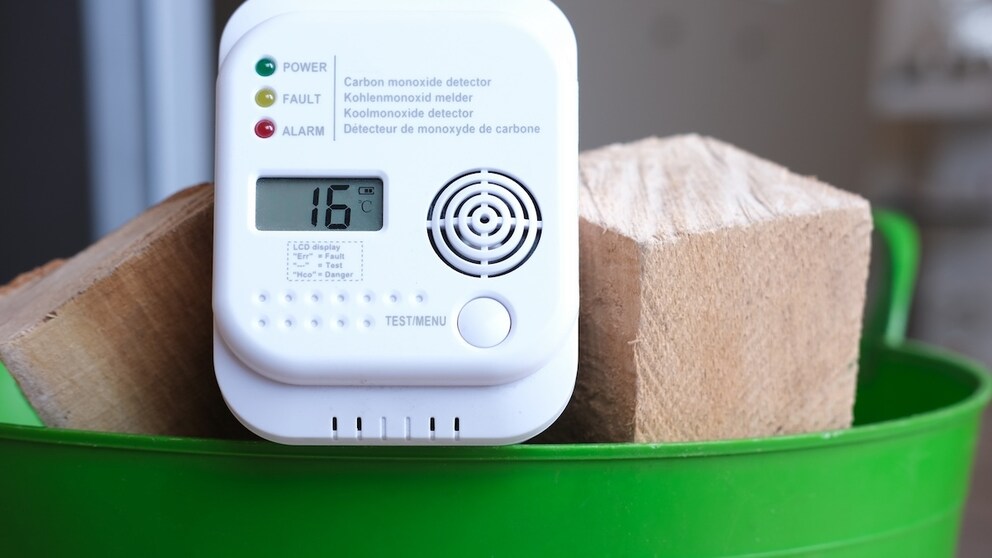
Most people want to feel safe at home—yet many accidents happen right within their own four walls. Alarms for smoke, carbon monoxide (CO), or gas can detect potentially dangerous situations early. Detectors that alert for smoke, carbon monoxide, or gas can save lives, according to the testing organization Dekra in Berlin.
When CO Detectors Are Important
Carbon monoxide is particularly dangerous because it is colorless, odorless, and tasteless—making it difficult to detect without technical assistance. If the gas is produced during so-called “incomplete combustion,” it can dangerously accumulate in enclosed spaces. Even small amounts in the air can be fatal.
According to Dekra, human error is a common cause of CO accidents. Typical sources of danger include:
- Grilling with charcoal or gas indoors
- Using patio heaters or combustion engines in poorly ventilated areas
- Defective or improperly maintained gas boilers
- Poorly installed or poorly drafted fireplaces
- Storing large quantities of wood pellets
Also of interest: 9 Mistakes When Heating with Wood and How to Avoid Them
Anyone using such devices or facing similar risks at home should install a CO detector for their own safety. Dekra also advises careful and cautious use of fireplaces. Regular maintenance of gas boilers or wood stoves is important. Wood pellet storage areas should be well-ventilated before entering.
When a Warning Device Can Be Useful
Dekra recommends a gas detector if you heat or cook at home with natural, city, or liquefied gas. This includes having a gas stove, gas oven, gas boiler, or tankless water heater.
If gas leaks unnoticed, it can mix with the air in the room—a dangerous combination that can explode with just a spark or a cigarette. Even without an explosion, inhaling the gases, especially while sleeping, can be life-threatening. A gas detector registers the gas concentration in the air and sounds an alarm when a critical level is reached.
What to Watch Out for With Smoke Detectors
Can You Simply Install Ovens and Fireplaces?
Position Determines Function
A detector only works reliably if it is correctly installed. Dekra emphasizes this point. For CO detectors, installation at head height—roughly in the breathing zone—is common. The exact positioning also depends on the room and potential exhaust sources like fireplaces or roof slopes. For gas detectors, the specific gas plays an additional role:
- Natural gas is lighter than air and rises. The detector should therefore be placed as high as possible.
- Liquefied gases like butane or propane are heavier than air—in this case, the detector should be closer to the ground.
Additionally, gas detectors should not be placed directly next to the gas source to avoid false alarms. Dekra recommends maintaining a certain minimum distance, which can be guided by the specific instructions in the user manual of the detector.
Conclusion: Detectors Can Save Lives
Whether it’s carbon monoxide or gas, anyone using such sources at home should be aware of the risks. While CO and gas detectors are not mandatory, their use can save lives in many cases. Proper installation and regular maintenance significantly increase safety within your own four walls.
With material from dpa