


November 26, 2019, 2:41 pm | Read time: 5 minutes
The saw is probably the most important tool for woodworking. But not all saws are the same–there are many different types. myHOMEBOOK explains the differences and offers tips on which type of saw is suitable for which task.
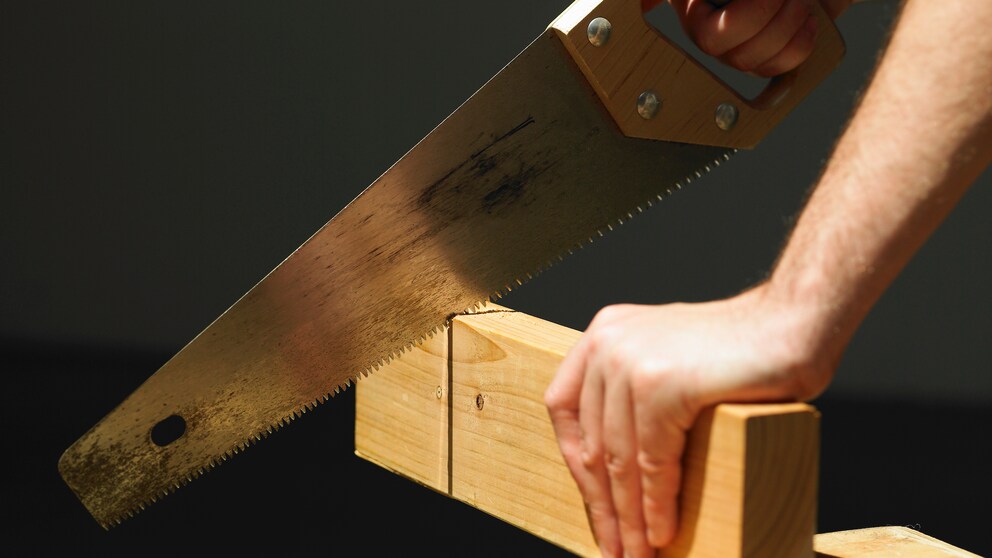
Generally, a distinction is made between hand saws and machine saws. Manually operated saws such as the handsaw, coping saw, Japanese saw, and bow saw all work on the same principle. The small saw teeth remove wood shavings as they glide through the wood. The result: a clean cut with manageable effort.
Overview of Saw Types: Hand Saws
Typically, hand saws work by pushing, meaning the saw teeth remove material when pushed. Japanese saws and most machine saws work by pulling. Some types, such as the fine saw or metal saw, work in both directions. These saws are particularly common:
1. Bow Saw
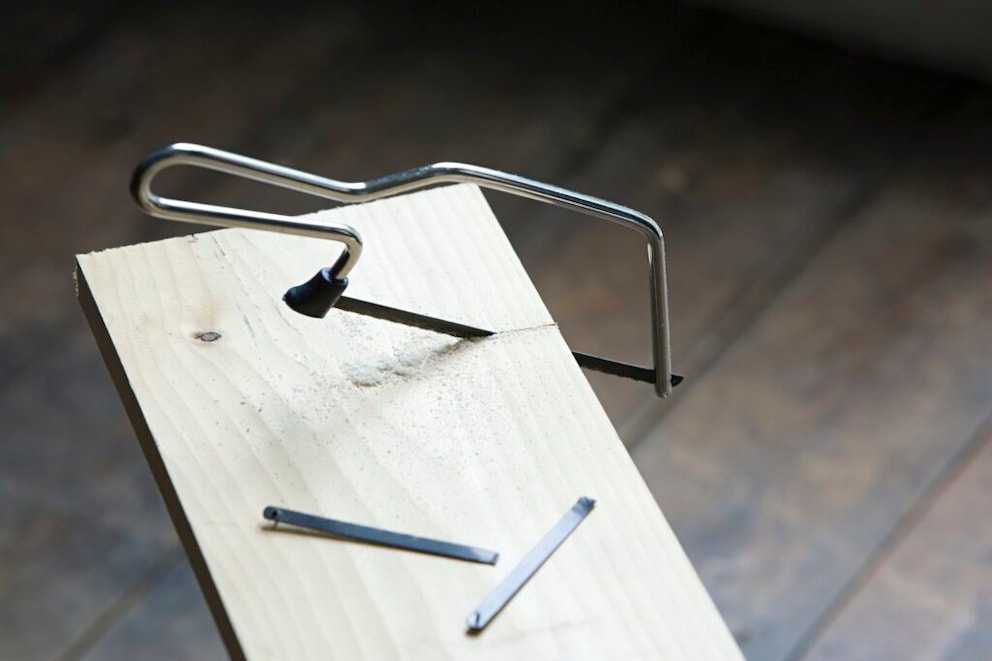
Here, a curved frame, open at the bottom, holds the thinner saw blade firmly. However, the frame limits how far you can saw. There are several subtypes of the bow saw:
- Coping Saw: This saw is mainly used for craft work with plywood. It has a very thin and fine-toothed blade, which is excellent for sawing curves.
- Puk Saw: This compact hand saw with a replaceable blade is actually a brand name for a saw from the Josef Haunstetter Saw Factory. The blades are usually only between 15 and 20 centimeters long.
- Pruning Saw: The larger pruning saw can even cut through smaller logs.
Also interesting: You can easily measure angles with a folding rule
2. Handsaw
This tool is not stiffened by a frame but gains its stability solely from a relatively thick blade, measuring between 40 and 60 centimeters. Like most hand saws (except the Japanese saw), the handsaw works in both directions and removes a relatively large amount of material due to its set teeth.
3. Metal Saw
Metal saws resemble classic bow saws but are not designed for wood. To cut metal, the teeth are very fine and often hardened.
4. Fine Saw
The blade of the fine saw is relatively thin and rectangular. A strip on the top provides the narrow blade with the necessary stability. The handle is often slightly offset, allowing for sawing along edges. The fine saw can make straight and precise cuts.
5. Japanese Saw
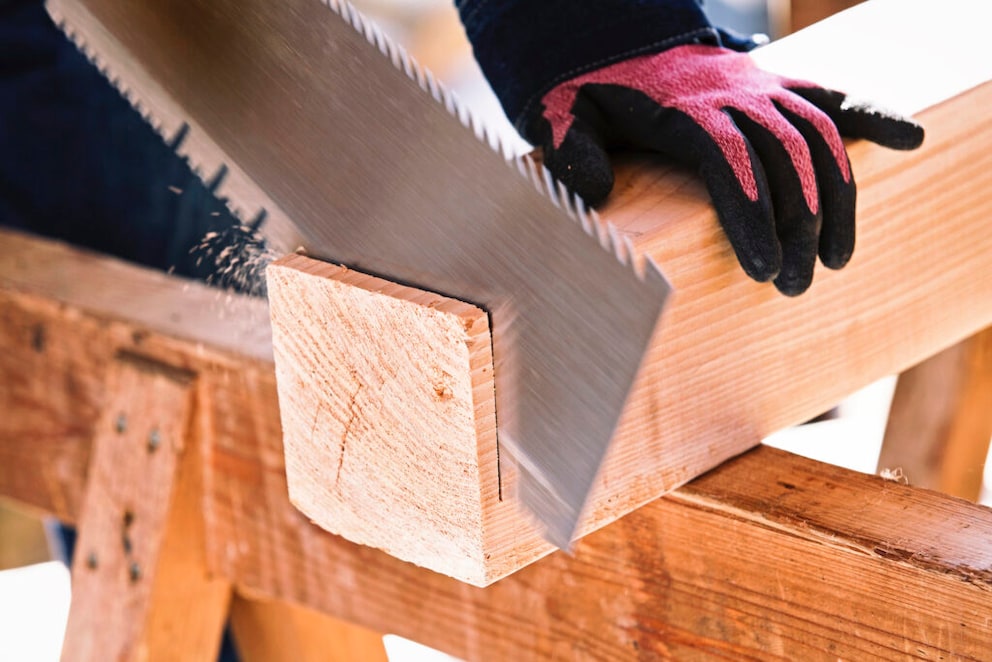
This type of saw from the Far East (in Japanese: Nokogiri) is becoming increasingly popular here. The Japanese saw is comparable to the European handsaw or fine saw but works only on the pull stroke. The blade is therefore relatively thin and allows for very fine cuts with its extremely sharp teeth and minimal effort. There are also models with a double-sided blade (Ryōba).
Overview of Saw Types: Electric Saws
Electric saws, also known as machine saws, operate either via power connection or battery. The motor of many chainsaws, however, requires fuel. These electric saws are particularly popular:
1. Jigsaw
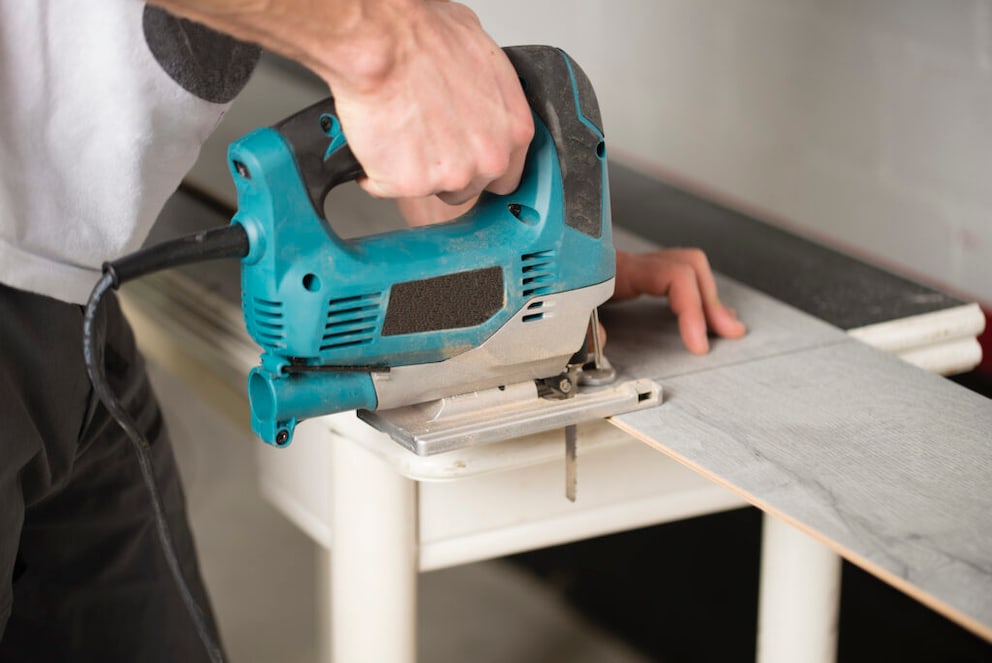
The versatile and compact jigsaw is very popular among DIY enthusiasts. It works on the pull stroke and is also called a “pendulum saw” due to the blade movement. Unlike the circular saw, the jigsaw can also cut curves from a wooden board. A sharp blade and clean work are important here, as the saw can otherwise get stuck or the wood may splinter. A bit of candle wax on the blade can help.
Tip: To prevent splintering with the jigsaw, you can also apply a strip of tape along the cutting line. This prevents splinters from coming off. The tape can be easily sawn through.
2. Circular Saw
The flexible circular saw is particularly suitable for long and straight cuts. You can also perform angle cuts, known as miter cuts, well with the circular saw. However, work with the circular saw should be done with particular caution, as accidents can happen quickly. For this reason, it’s better to avoid gloves when using the circular saw, as they can easily get caught in the blade.
3. Table Saw
The stationary table saw works on the same principle as the circular saw–just “upside down.” Here, the saw is fixed in the saw table, and the workpiece is moved back and forth. Investing in one for your workshop can be worthwhile for skilled DIYers who work a lot with wood.
Also interesting: What to consider when sharpening knives
4. Chainsaw
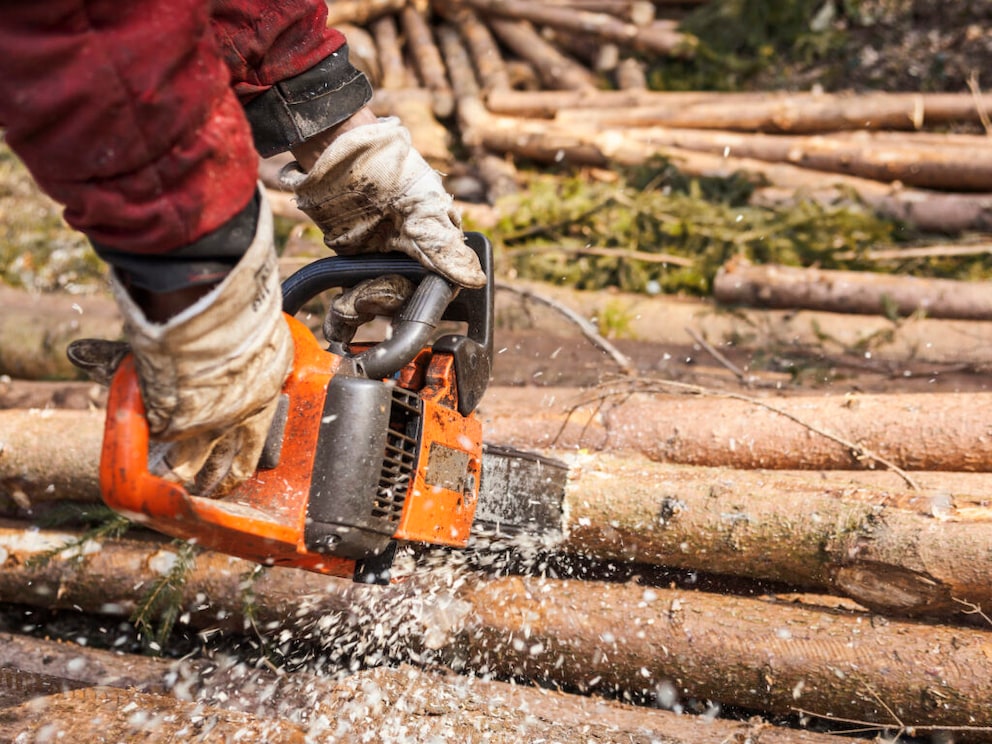
This saw is mainly used in forestry work and should only be used by professionals due to the high risk of injury. The powerful motor in many models is fueled by gasoline. Protective clothing is mandatory when working with a chainsaw.
5. Reciprocating Saw
The reciprocating saw is comparable to the jigsaw but is operated with both hands and usually cuts vertically. It does an excellent job of cutting through metal pipes in the house or tree roots in the garden. The fire department also uses this tool during operations.