


August 15, 2025, 9:49 am | Read time: 3 minutes
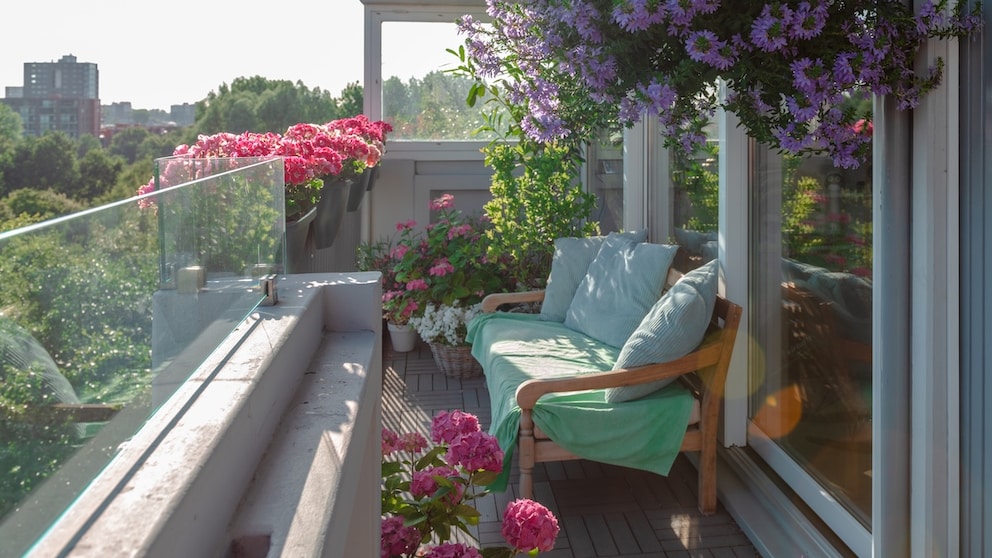
Depending on the type, the blooming period of plants can vary greatly. Some show their flowers as early as spring, while others bloom in late summer. To enjoy a blooming balcony for an extended period, hobby gardeners should opt for long-blooming varieties. The longer a plant naturally blooms, the better its blooming period can be extended with proper care. myHOMEBOOK reveals how to extend the blooming period of balcony plants.
Not Every Plant’s Blooming Period Can Be Extended
Note: For classic early bloomers, such as tulips and daffodils, plants with a short genetic blooming period, like poppies and wildflowers, or those that quickly wilt in heat, like primroses and pansies, the blooming period can be influenced little to not at all.
It’s different for geraniums, petunias, million bells, begonias, fuchsias, lavender, or sage. These and many others genetically have a long blooming period that can last several months. With proper care, they stay fresh longer and bloom again.
1. Regularly Deadhead
To extend the blooming period of balcony plants, deadheading is essential. This means regularly removing wilted flowers. This way, the plant can focus its energy on forming new blooms instead of producing seeds.
2. Watering and Fertilizing
Energy is the magic word when it comes to blooming. It takes a lot of work and effort to produce and maintain many blooms over a long period. Plants draw the necessary energy from soil nutrients. However, in a pot on the balcony, the nutrient supply is quickly depleted. Therefore, it’s important to fertilize the plants regularly. Every one to two weeks, a liquid flowering plant fertilizer should be used. These usually have a high phosphorus content, which promotes flower formation.
In addition to fertilizing, sufficient water is important to extend the blooming period of balcony plants. Watering should take place in the morning or evening to avoid harming the plant in direct sunlight. It’s crucial to avoid waterlogging.
Also interesting: 5 Plants for the Balcony That Love Full Sun

6 Ornamental Plants for Beginners
3 Low-Maintenance Plants for Your Balcony This Spring
3. Pruning Can Encourage Re-Blooming
For long-blooming varieties like geraniums, petunias, or even lavender, pruning at the right time can work wonders. A light pruning after the first bloom stimulates the formation of new buds.
4. Staggered Planting
With staggered planting, you strategically combine early-, mid-, and late-blooming plants. Alternatively, you can choose the same plant species in different stages of development. This way, new blooming phases continuously emerge, keeping the balcony attractive from spring through summer and into fall.
- Blooming period in spring (March to May): Pansies, primroses, daisies, violas
- Blooming period in early summer (May to June): Geraniums, petunias, lobelias, verbenas
- Blooming period in summer (July to August): Million bells, zinnias, lavender, marguerites
- Blooming period in late summer and fall (August to October): Asters, chrysanthemums, autumn anemones, heather
Plants with overlapping blooming periods should be placed side by side in the balcony box.