


July 20, 2023, 2:59 pm | Read time: 6 minutes
Toxic plants can unintentionally appear in the garden. They are spread by birds or other animals. If the weeds are not removed in time, they quickly spread throughout the garden. Hobby gardeners should pay particular attention to the following five toxic plants.
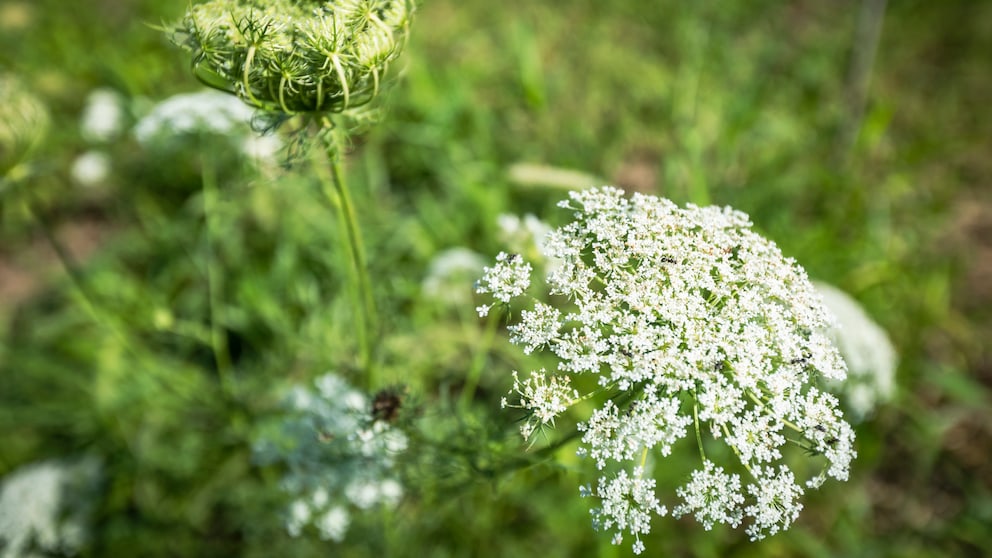
There are many plants that look harmless at first glance but are actually toxic. This includes various wild herbs. The seeds of toxic plants can enter your garden through the wind or animal droppings, where they can spread undisturbed. It is all the more important for hobby gardeners to know some of the specimens that fall into this category. Particularly insidious is ragweed. A single plant can release up to a billion pollen grains–a nightmare especially for pollen allergy sufferers. Biologist and wild herb expert Manuel Larbig knows of other toxic wild herbs. myHOMEBOOK spoke with the plant expert.
5 Toxic Plants in the Garden You Should Remove
1. Common Thorn Apple (Datura)
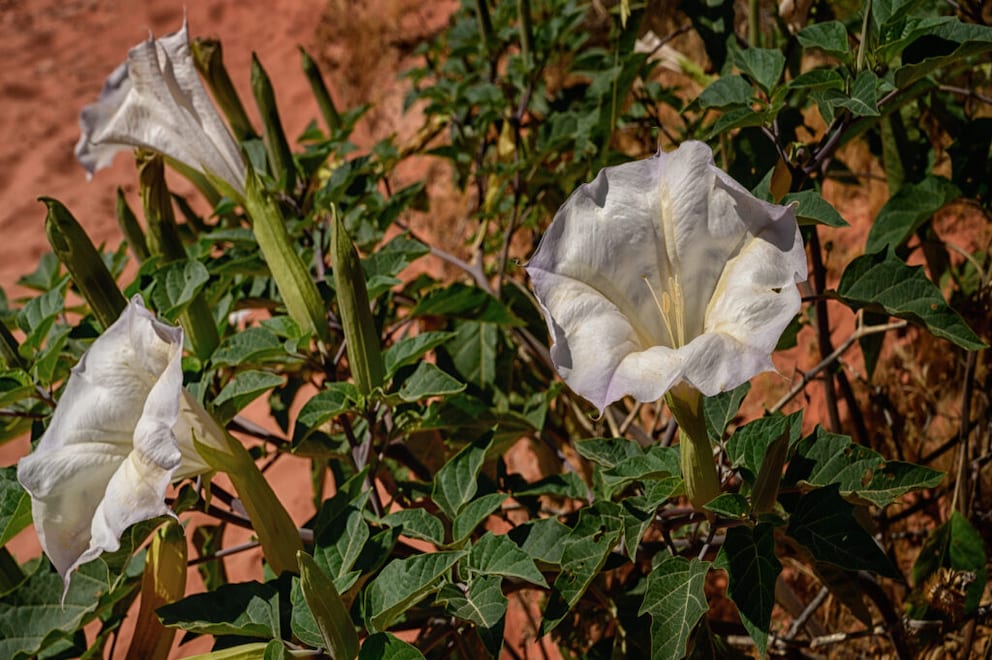
Sounds exotic–but it’s toxic. Originally, this nightshade plant with its seductively beautiful flower is more common in the tropics. However, there is also a variety that grows in Central Europe: the “Common Thorn Apple” (Datura stramonium). Wild herb expert Larbig warns that all parts of the thorn apple are toxic and psychoactive. Anyone who eats the plant can expect a horror trip that can last a week. Or even death.
But how can such an exotic plant find its way into a home garden? Larbig: “Not infrequently, animals unknowingly contribute to its spread. The thorn apple’s hooked fruits can cling to animal fur. They open when ripe and release hundreds of small, black seeds.”
2. Giant Hogweed (Heracleum mantegazzianum)
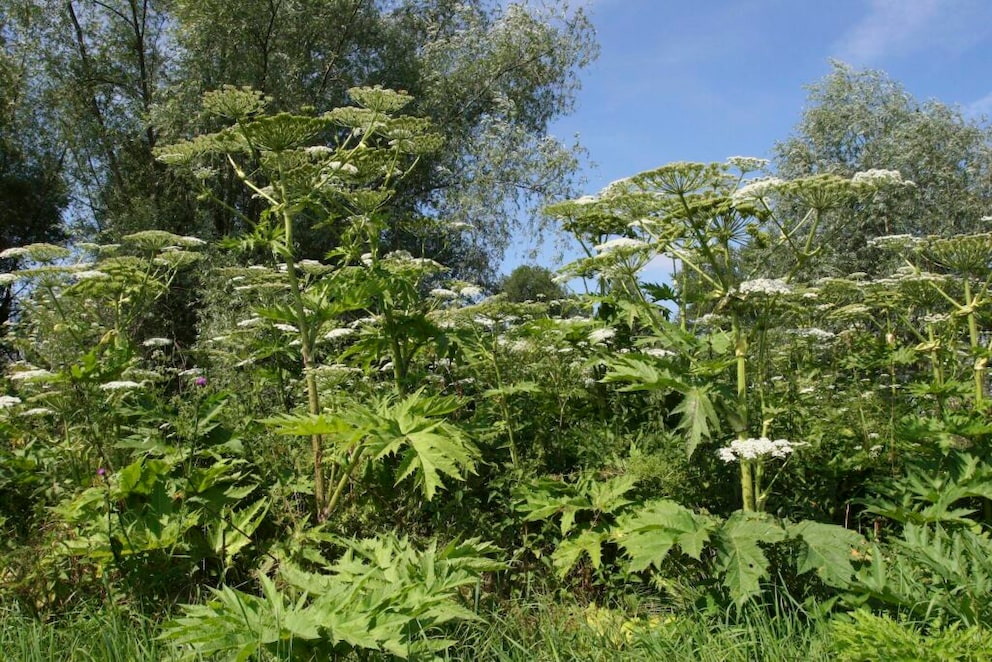
“The giant hogweed, originating from the Caucasus, is also called Hercules’ club, and rightly so–it can grow over three meters tall,” explains Manuel Larbig. If the plant with its huge leaves spreads in the garden, it quickly displaces other plants. Insidious: Although the plant itself “only” lasts two years, its offspring are ensured. Giant hogweed can produce around 20,000 seeds per plant.
Giant hogweed should never be touched with bare hands! Larbig warns: “The sap of the plant contains large amounts of so-called furocoumarins. In combination with sunlight, these substances can cause burn-like symptoms on the skin and increase the risk of skin cancer!” If you come into contact with the toxic plant sap, you should protect the area on your skin from UV light and quickly rinse it with clear water and soap.
Also interesting: Permanently banish horsetail from the garden
3. Common Ragweed (Ambrosia artemisiifolia)
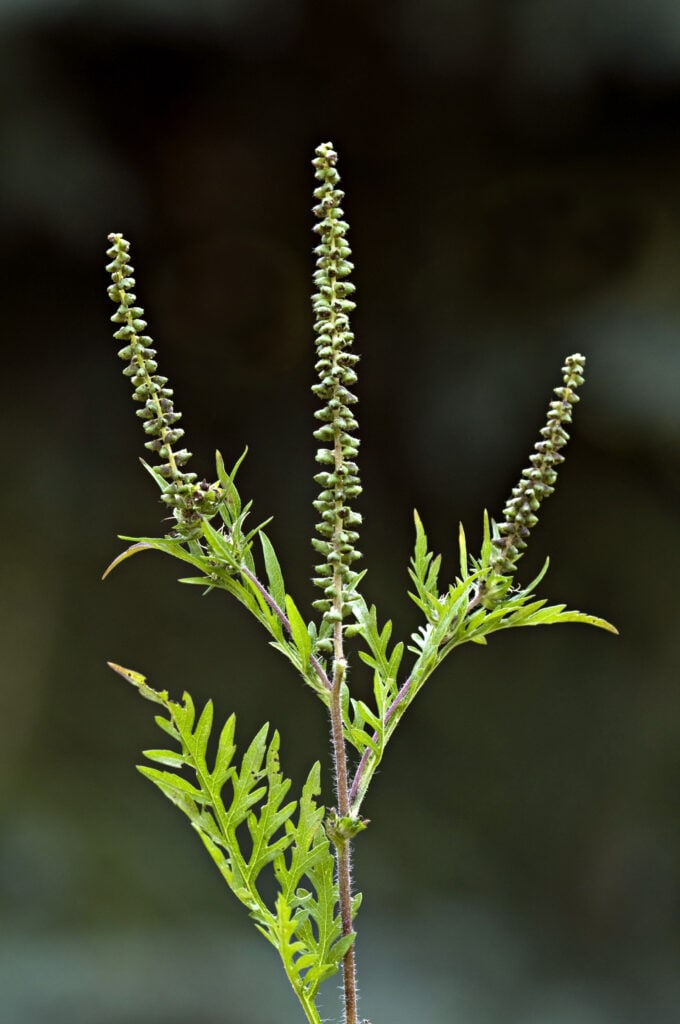
Common ragweed, also known as ragweed, is a dreaded plant among allergy sufferers. Even skin contact with the flower spikes quickly leads to severe allergic reactions. But the pollen is also potent. Larbig explains: “The pollen of common ragweed can already trigger allergies in some people, but the similar-looking common ragweed is even more allergenic.”
What makes this toxic wild herb so dangerous is the risk of confusion. “As the name suggests, this plant looks very similar to ragweed; a good distinguishing feature is the underside of the leaf, which is only felted white in common ragweed,” says wild herb expert Larbig.
Also interesting: Warning–these native plants are toxic
4. Spurge Family (Euphorbiaceae)
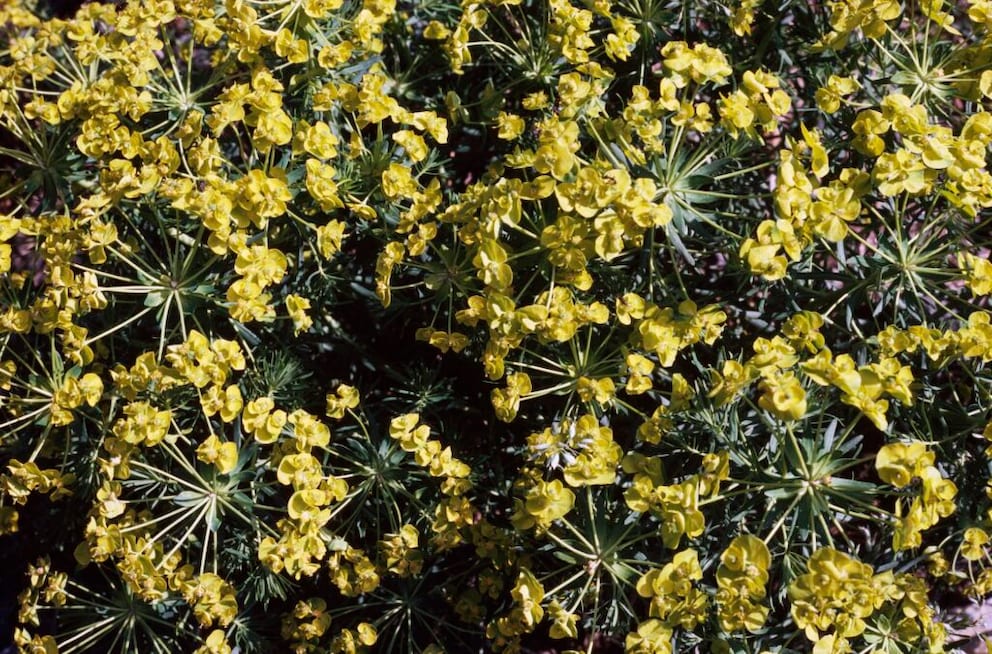
The spurge family, with its approximately 7,500 species worldwide, can be called large. And it is extremely diverse. One of its most famous family members: the poinsettia!
As pretty as these plants are, most species in this family have a white, toxic milky sap. And it can be treacherous. Manuel Larbig: “Even if this milky sap is usually classified as only slightly to moderately toxic, it should never get into the eyes. Even relatively small amounts can cause irreparable damage.”
5. Yew (Taxus baccata)
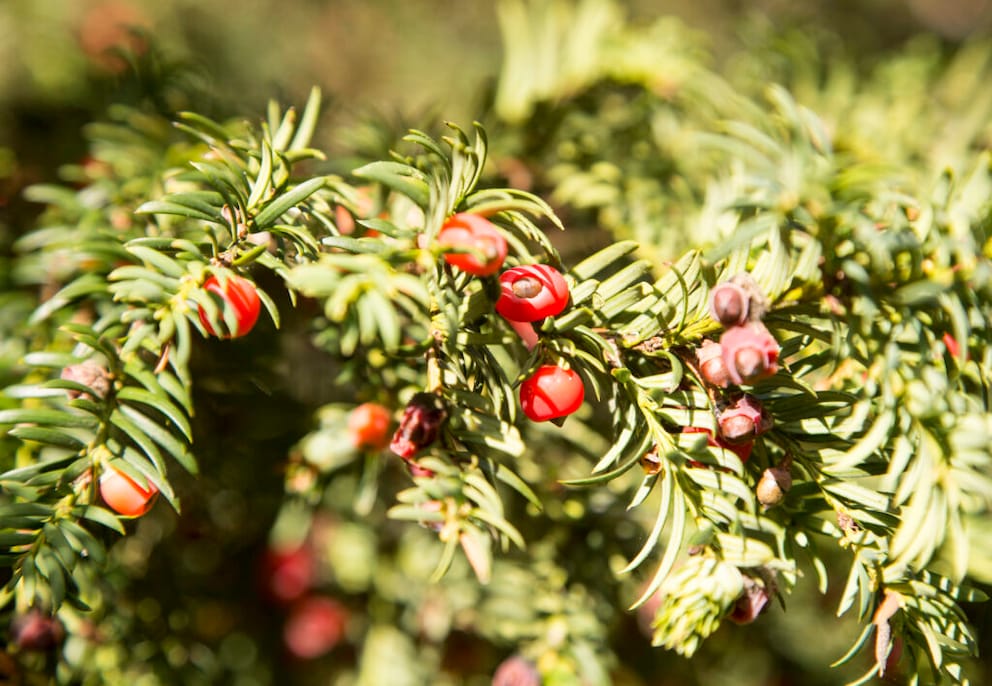
This plant is potent–and it was highly sought after in the Middle Ages. Due to its hard wood, yews were often used to make weapons of war. Even Robin Hood is said to have owned a bow made of yew wood. A yew is also deadly for another reason. It is considered one of the most toxic trees and shrubs in Europe. About 100 grams of the needles are enough to kill a person.
Paradoxically, this does not deter many hobby gardeners from planting yews as hedges. Like other toxic plants, a yew can also self-seed in the garden. And it does so with the help of the red “berries,” which are not actually berries from a botanical perspective. As a so-called “gymnosperm,” the yew does not bear fruit. “Birds don’t care,” says Manuel Larbig. “Many species love to eat them and spread the seeds with their droppings, sometimes several kilometers away.” This way, a wild, highly toxic yew may end up uninvited in the home garden.
How to Get Rid of Toxic Plants from the Garden
To remove toxic wild herbs, you should wear clothing that covers your arms and legs. Additionally, be sure to wear rubber gloves. For tall plants like giant hogweed, first carefully cut off the large plant parts. Then dig out the root parts with a spade. Otherwise, the wild herbs may continue to spread through the root system. If common ragweed is in bloom, you should wear an FFP2 respirator mask when removing it.
The stocks of these toxic plants should be destroyed immediately. Again, ensure adequate skin protection. In general, when disposing of toxic wild herbs: Seeds and plant parts do not belong in the compost or organic waste but in the residual waste.
Also interesting: Warning! These houseplants are toxic to pets
8 problem plants to keep an eye on
Which 5 Garden Plants to Avoid if You Have Children
What to Do in Case of Poisoning
If poisoning occurs, seek medical attention as quickly as possible! For life-threatening symptoms such as unconsciousness or seizures, call emergency services at 112. Otherwise, the poison control center’s emergency number is available 24 hours: 0228 19240. The poison control center brochure provides information on what to do in an emergency.
What Not to Do in Case of Poisoning
- Never stick your finger down the throat of the poisoned person. There is a risk that vomit could enter the lungs.
- Do not give milk, as it accelerates the absorption of poison in the intestines.
- Do not administer saltwater to induce vomiting. This can have fatal consequences.
- Activated charcoal should only be administered by medical personnel.