


September 18, 2023, 3:48 pm | Read time: 4 minutes
Before winter sets in, it’s important to prepare the garden for the cold months. This includes properly overwintering non-hardy plants. For hardy perennials, this task is unnecessary.
To ensure that perennial plants sprout and bloom again the following year, they require proper care in winter. Many plants cannot withstand the local subzero temperatures in winter and must be moved to a sheltered winter location. Hardy perennials, however, are different. They generally tolerate snow and frost and can remain in the garden bed during winter.
Overview
1. Peonies (Paeonia)

Due to their lush blooms, peonies are popular perennials both in bouquets and in garden beds. A clear advantage: The plant is hardy. An exception exists for potted plants. In this case, the pot should be wrapped in burlap or fleece. In the garden bed, no winter care measures are needed. Ideally, choose a sunny location, though the hardy perennial also thrives in partial shade.
Also interesting: What to consider when overwintering hydrangeas
2. Lamb’s Ear (Stachys byzantina)

A very special perennial is lamb’s ear. The plant’s appearance is striking with its velvety, silver-shimmering leaves. Additionally, bees and butterflies are practically drawn to the hardy perennial. If planted in a sunny and warm location, it requires little effort. Hobby gardeners only need to water lamb’s ear during prolonged dry periods. As an extremely robust plant, it is rarely affected by pests or diseases.
3. Christmas Rose (Helleborus niger)

The Christmas rose is not only a hardy perennial but also displays its delicate flowers exceptionally early in the year. Depending on the weather, it can bloom as early as November and continue until March of the following year. Snow and frost do not bother the flower. The Christmas rose is very low-maintenance. Pruning is generally not necessary. Only wilted plant parts should be removed occasionally.
4. Ornamental Grasses

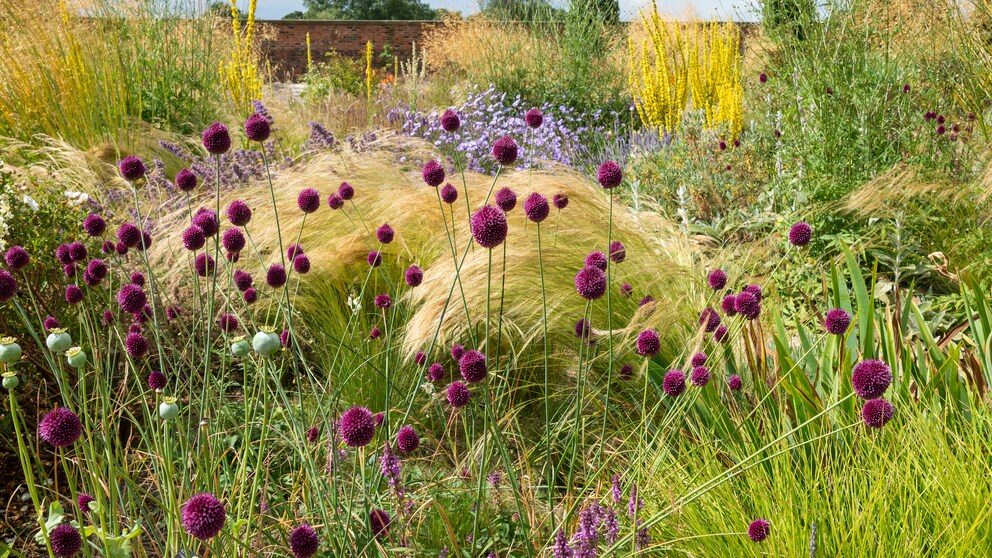
Hobby gardeners can choose from a variety of different ornamental grasses. While they vary in appearance, they generally share the trait of being hardy. Popular varieties include blue fescue, fountain grass, zebra grass, and angel hair grass. An advantage is that they also adorn the garden with their lush form in winter. For care, hobby gardeners should research the specific variety. Most ornamental grasses are very low-maintenance.
5. Anise Hyssop (Agastache foeniculum)

The colorful flower spikes of anise hyssop attract various beneficial insects to the garden. It’s important to avoid waterlogging. Before watering the plant, check if the soil is still moist. The drier the anise hyssop–also known as Agastache–is, the better it withstands snow and frost in winter. Therefore, it does not need to be watered during the cold months.

The 6 Best Perennials for Beginners

7 Colorful and Hardy Plants for Your Garden and Balcony
6. Lavender (Lavandula)

If you have a sunny spot in your garden bed, consider planting lavender. The perennial offers many benefits. It smells wonderful, is popular with bees and butterflies, is relatively low-maintenance, and requires no fertilization. Additionally, lavender is a hardy perennial and requires little effort from gardeners. Before the cold season, it’s advisable to prune the plant again. It’s also recommended to cover the bed with twigs or mulch.
Also interesting: Which perennials to plant in fall for late blooms
How to Prepare Perennials for Winter
To increase the lifespan of perennials and promote abundant blooms in the coming year, it’s recommended to prune them back significantly in the fall. After blooming, cut the plants about four inches above the ground. However, hardy perennials that bear attractive leaves or fruits in winter should not be cut back. To further protect your plants from frost, you can spread mulch, leaves, or twigs over the bed.